| Read in browser | ||||||||||||||
 Welcome to Balance of Power, bringing you the latest in global politics. If you haven't yet, sign up here. Prabowo Subianto beamed confidence in a speech to the Davos crowd last week. The Indonesian president predicted a boom year for his country, noting the IMF had recently hailed the South East Asian nation as "a global bright spot." Fast-forward a few days, and the situation seemed — in IMF speak — tilted to the downside, to put it mildly. Global index compiler MSCI warned of "fundamental investability issues" in the Indonesian stock market, triggering one of the worst selloffs since the 1998 Asian Financial Crisis. While the market issue predated Prabowo, the rout rattled investors already preoccupied with serious concerns that have emerged since he took power in October 2024. The former general, and protégé of ousted dictator Suharto, has pursued policies to rapidly expand Indonesia's economy, improve the living standards of its nearly 300 million citizens and recover national wealth he says has been squandered by elites and resource firms. What many investors see, however, is a dismantling of guardrails and a hollowing out of institutions painstakingly set in place after the 1998 meltdown. They were already troubled by Prabowo's move this month to shoehorn his nephew into the top leadership of Bank Indonesia, raising further concerns over monetary-policy independence at the central bank. The fiscal deficit surged to its widest in at least two decades last year — excluding the pandemic — as Prabowo pursued social-spending priorities. That was partly possible after he ousted internationally respected economist Sri Mulyani Indrawati as finance minister following deadly Gen-Z protests. 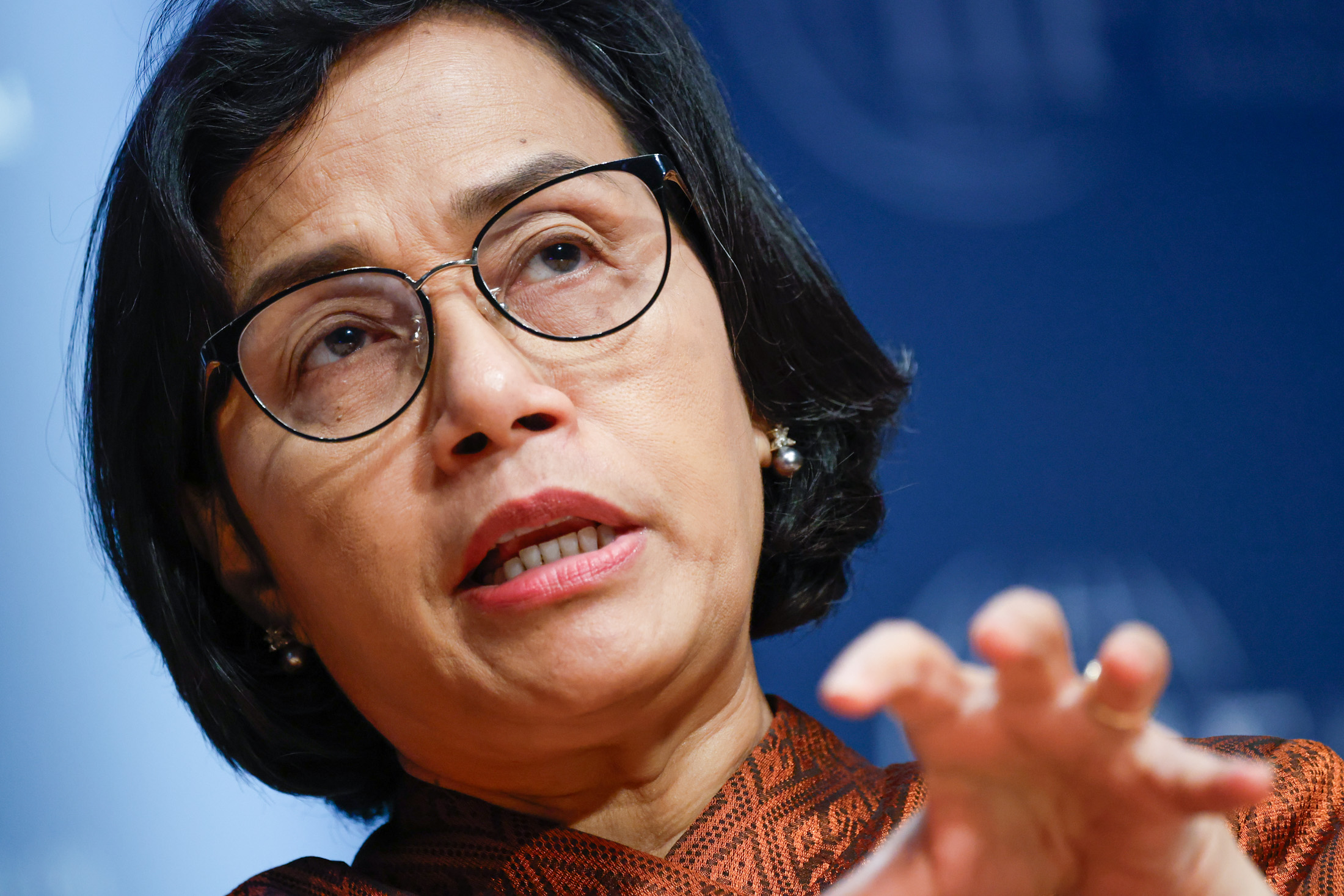 Indrawati was removed in September. Photographer: Ting Shen/Bloomberg Prabowo's support in parliament means he has cover to continue pursuing his vision, under which a powerful central leader should harness the nation's financial and natural resources. Also in his favor, the risks of a 1998-style contagion are practically nil. Robust foreign reserves and a relatively small weighting in regional indexes mean that he and the Indonesian people will be the main winners, or losers, of his time in power. The crowd next year in Davos will be eager to hear how it pans out. — Ramsey Al-Rikabi 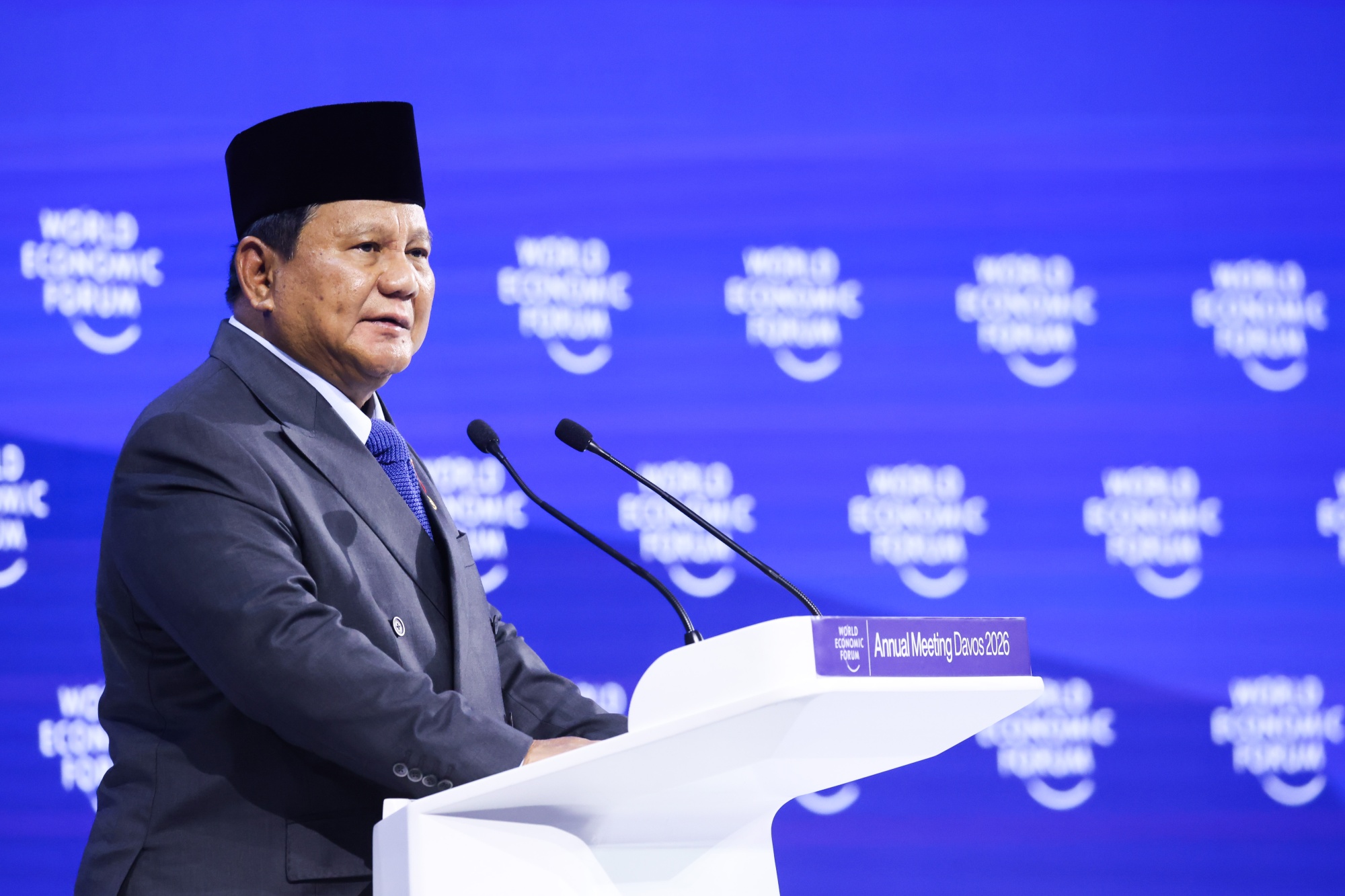 Prabowo at the World Economic Forum in Davos last week. Photographer: Krisztian Bocsi/Bloomberg Global Must ReadsThe arrival of a US aircraft-carrier strike group in the Middle East has given US President Donald Trump new, more forceful options to carry out his threat to attack Iran, but the choices carry serious risks of retaliation. His shifting messages about the goals — removing the Islamic Republic's leaders, punishing the regime for its deadly crackdown on protesters or extracting a new nuclear agreement — have raised questions about just what the mission would be. 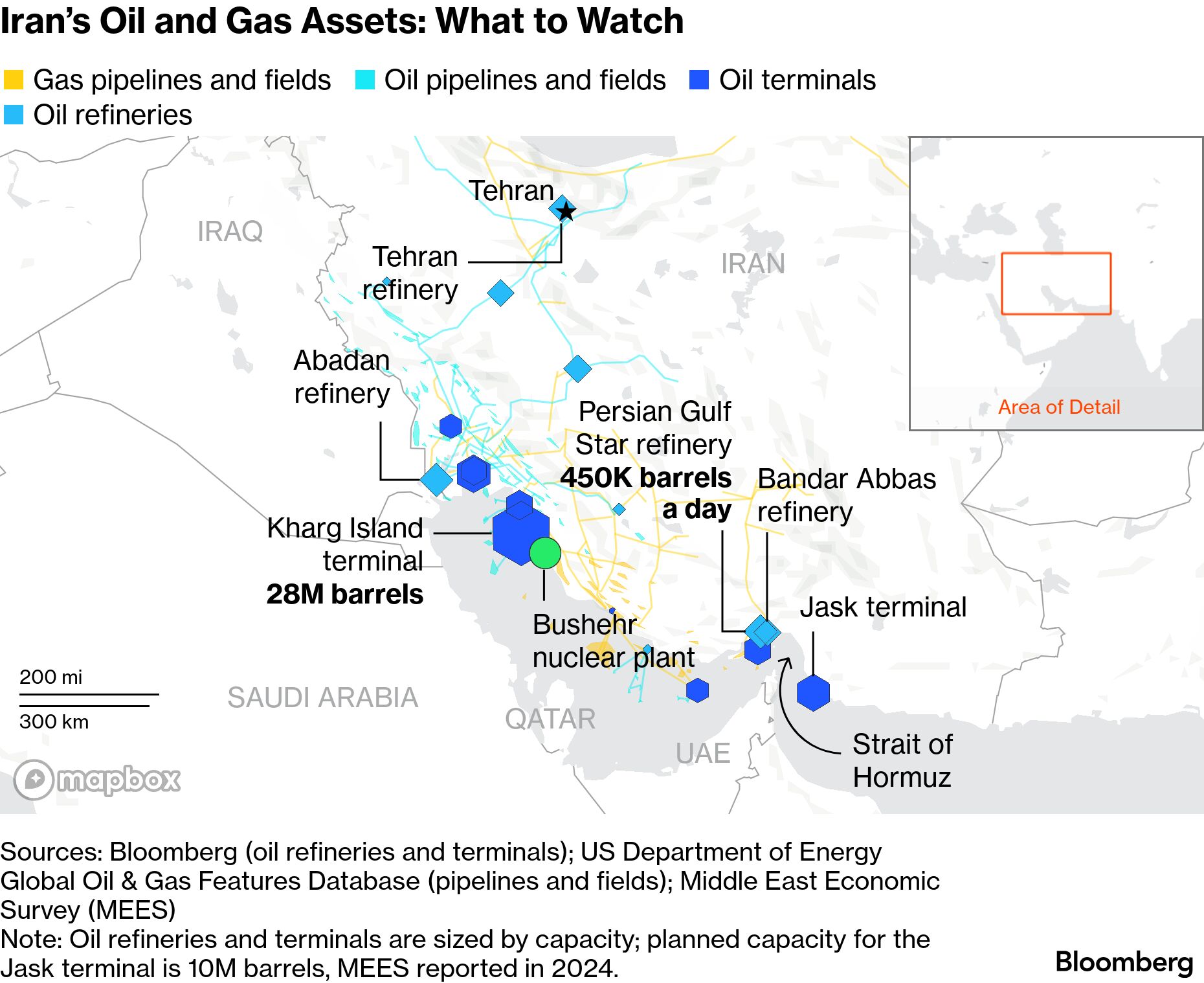 Foreign workers in Japan hit a record last year, figures that will likely feed into election debate about reliance on immigrants and simmering angst among the rising number of voters supporting the far-right Sanseito party. The data will bring renewed attention ahead of the Feb. 8 election to whether Japan should tighten immigration rules when its economy is becoming ever more dependent on foreign workers. Ukraine is ready to halt strikes on energy infrastructure if Russia agrees to abide by Trump's proposal for a truce, President Volodymyr Zelenskiy said. A Kremlin spokesman confirmed the US president's request to refrain from attacks on Kyiv until Sunday, and said Vladimir Putin had accepted the idea. A recent jump in the number of Russian soldiers killed in the war could, if sustained, make it hard for Moscow to replace troops without some form of mobilization, according to European estimates. Fraud allegations against Banco Master CEO Daniel Vorcaro have roiled Brazil's corporate and political elite, with probes linking him to public servants, lawmakers and even a Supreme Court justice. Read our deep dive into the saga that is drawing comparisons to the Carwash bribery scandal that rocked the nation a decade ago. The Trump administration is preparing for the president to nominate Kevin Warsh today to be the next Federal Reserve chair, sources say. Warsh served on the US central bank's Board of Governors from 2006 to 2011 and has aligned himself with Trump in recent months by arguing publicly for lower interest rates. If confirmed, he would succeed Jerome Powell, whose term ends in May. 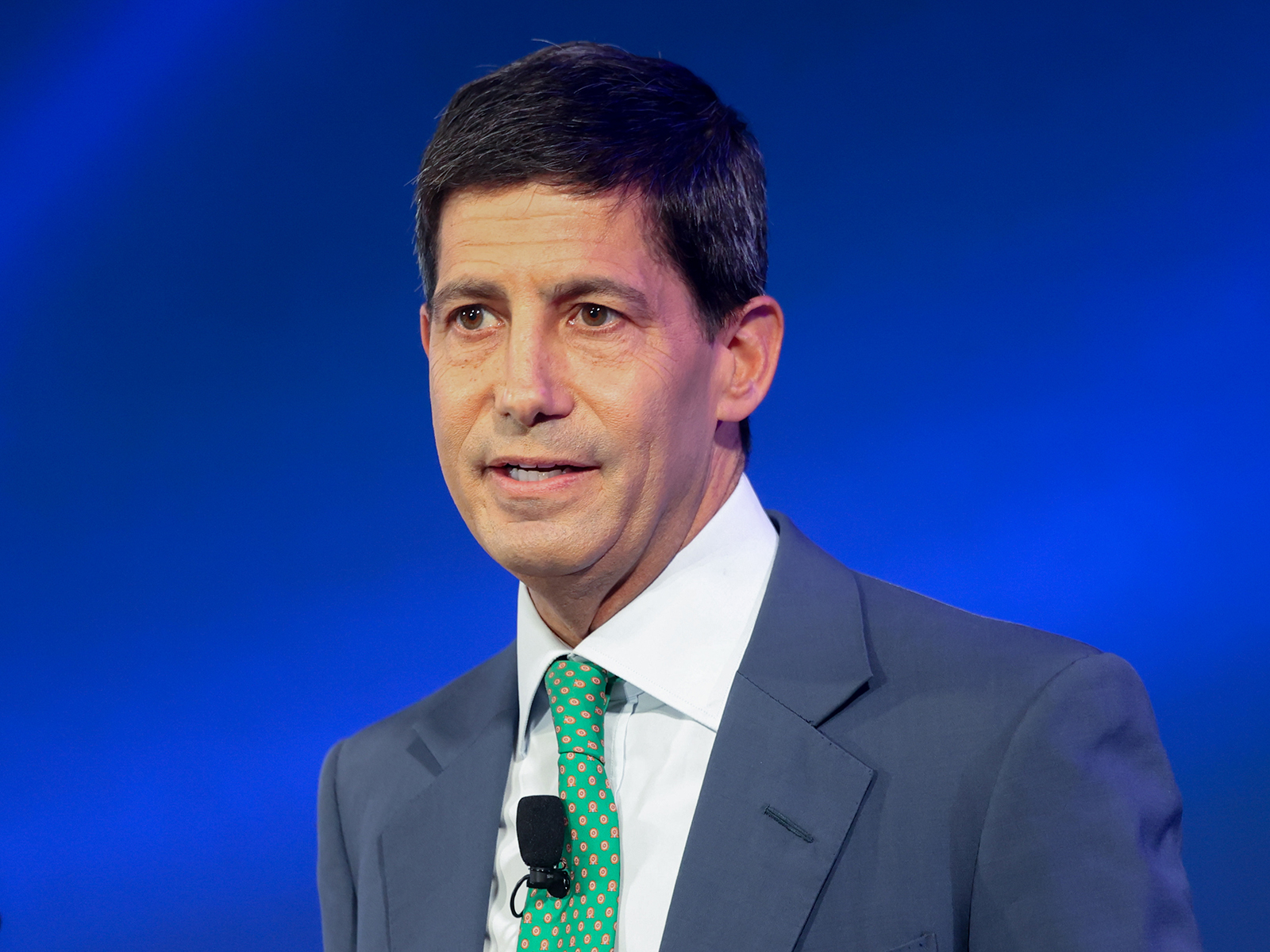 Kevin Warsh. Photographer: Tierney L. Cross/Bloomberg China's official military newspaper vowed to punish corrupt officials it called "fat rats" who embezzle funds, days after a high-profile probe into the nation's top generals roiled Beijing's defense establishment. Trump warned the UK and Canada against striking new business deals with China, after their leaders visited Beijing to deepen ties with the world's second-largest economy. The US president also authorized tariffs on goods from countries that supply oil to Cuba, tightening the squeeze on the communist-run government he's trying to displace. Spanish Prime Minister Pedro Sanchez defended a plan to grant legal status to about half a million undocumented migrants, after Elon Musk joined critics of the initiative on the billionaire's X social-media platform. Thailand's People's Party extended its lead over the ruling Bhumjaithai Party with nine days to go before an election that's likely to produce another divided parliament.  Don't miss from Bloomberg Weekend: Mishal Husain interviews Oscar-winning documentary maker Laura Poitras, Peter Martin and Sam Dagher zero in on China's waning influence in the Middle East, and Ben Westcott and Paul-Alain Hunt explain how Australia is facing a tobacco crisis. Subscribe to Bloomberg Weekend here. Sign up for the Washington Edition newsletter for news from the US capital and watch Balance of Power at 1 and 5 p.m. ET weekdays on Bloomberg Television. Chart of the Day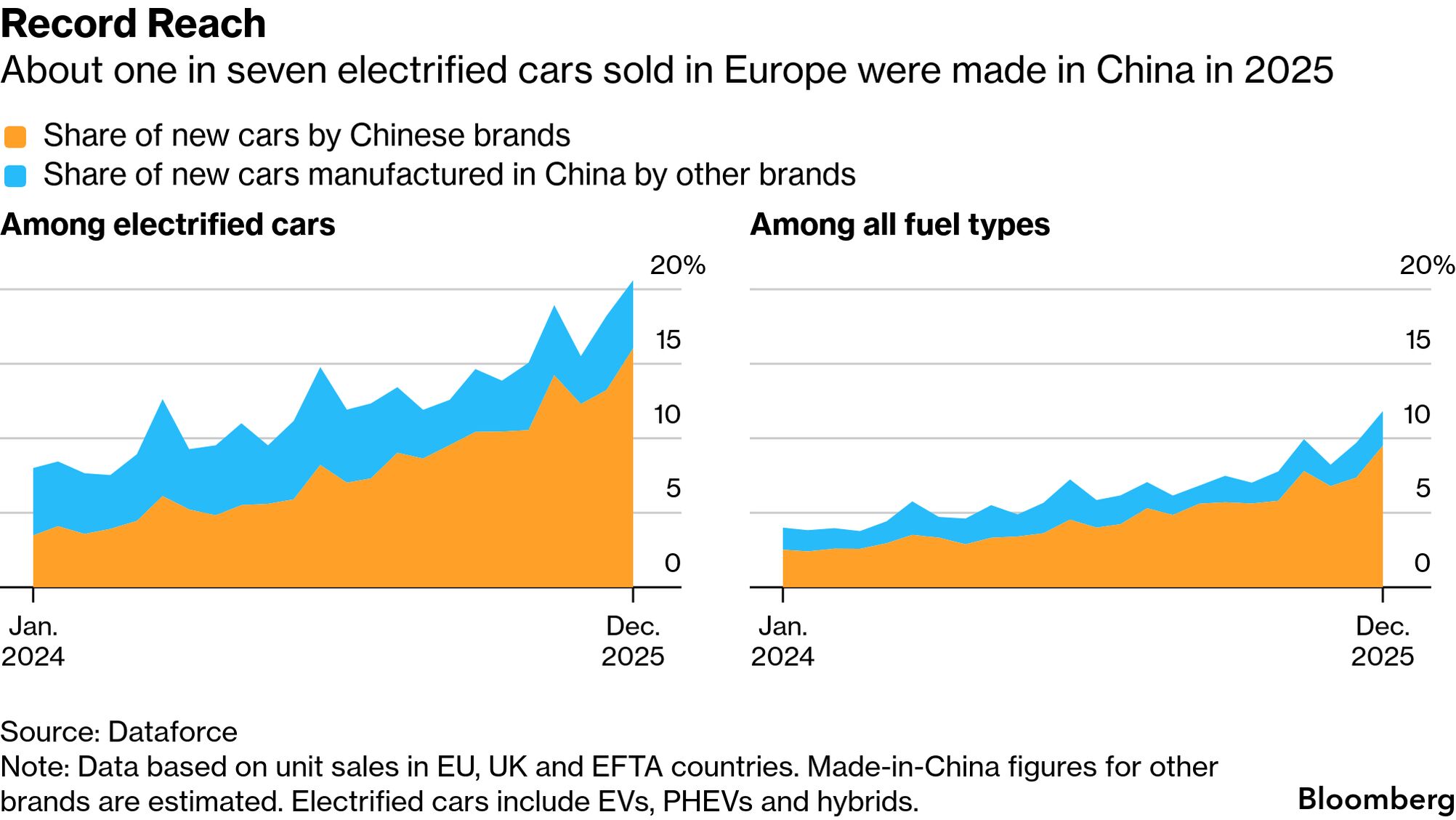 Chinese automakers built nearly one in 10 passenger cars sold in Europe last month, a record share that caps a year of rapid growth led by brisk sales of hybrid and battery-powered vehicles. With December's 9.5% share of the European market, Chinese brands outsold South Korean rivals including Kia on a quarterly basis for the first time, based on figures from Dataforce. BYD and its peers are poised to make further inroads as trade barriers fall and a Chinese export push accelerates. And FinallyTrump's years-long crusade to dislodge Venezuelan strongman Nicolás Maduro was billed as a way to thwart drug-trafficking, check migration and revive the nation's oil industry. But behind the president's preoccupation with the South American nation is also the story of lifelong relationships with Venezuelan elites in New York and Miami. From this tiny privileged class, Trump would have absorbed memories of a country where petrodollars built a clutch of glittering fortunes not unlike his own. 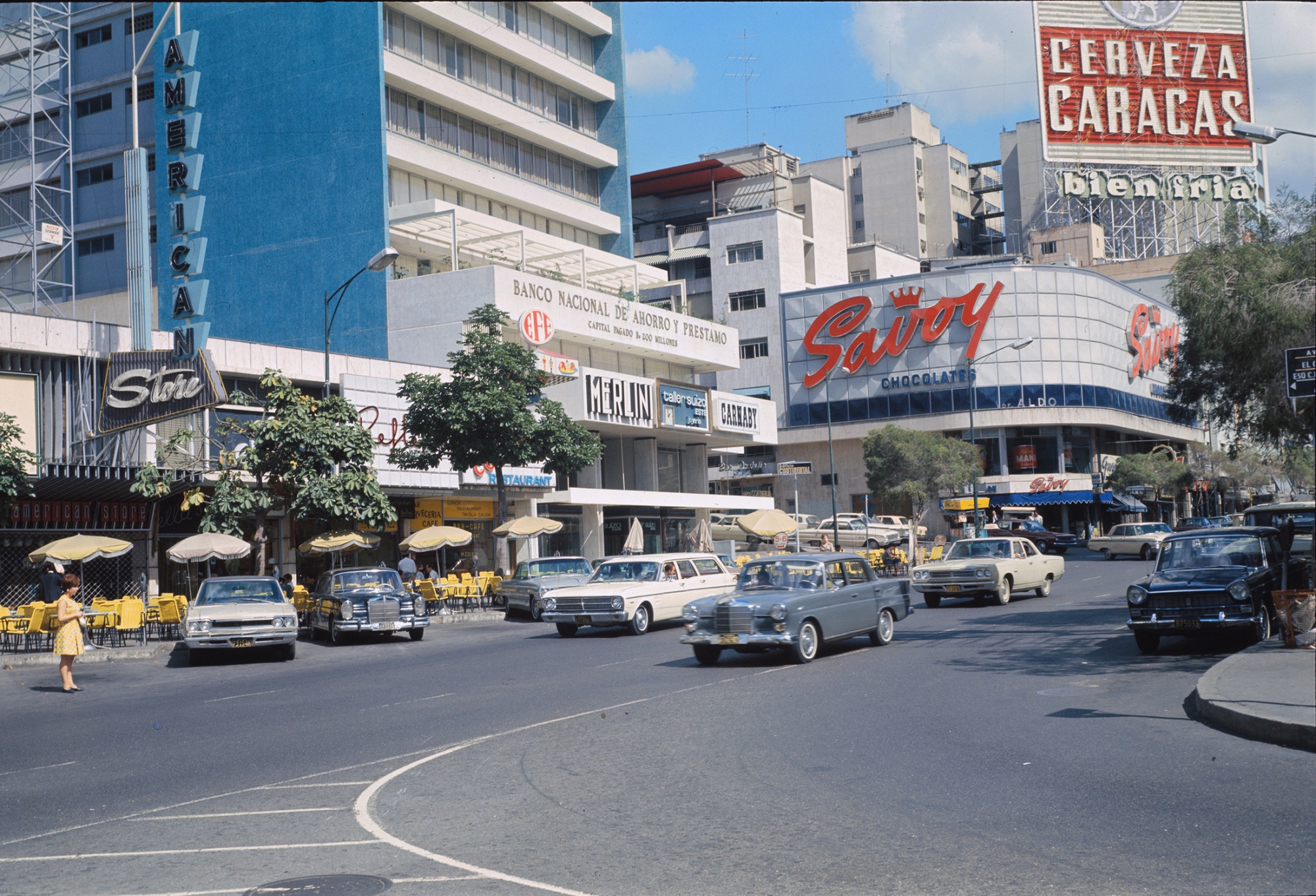 Caracas in 1969 during Venezuela's "Golden Era." Source: Bettmann/Getty Images Pop quiz (no cheating!). Which nation this week became the latest to ban young people from social media? Send your answers to balancepower@bloomberg.net More from Bloomberg
We're improving your newsletter experience and we'd love your feedback. If something looks off, help us by reporting it here. Follow us
You received this message because you are subscribed to Bloomberg's Balance of Power newsletter. If a friend forwarded you this message, sign up here to get it in your inbox.
|
Friday, January 30, 2026
A rout in Indonesia





Subscribe to:
Post Comments (Atom)
The big Fed reveal
Bloomberg Morning Briefing Americas View in browser Good morning . Kevin Warsh will ...
-
PLUS: Dogecoin scores first official ETP ...
-
Hollywood is often political View in browser The Academy Awards ceremony is on Sunday night, and i...


No comments:
Post a Comment