| Read in browser | ||||||||||||||
 Welcome to Balance of Power, bringing you the latest in global politics. If you haven't yet, sign up here. Volodymyr Zelenskiy is testing the US and Europe by offering to drop Ukraine's quest to join NATO as part of a deal to end Russia's war. The Ukrainian president instead wants to reach a network of agreements with countries that would be similar to the Article 5 collective-defense pact that underpins the military alliance. That puts the onus on President Donald Trump and European leaders to follow through on their oft-declared support for Ukraine's independence by making hard-nosed commitments to apply military power against any future Russia attack. 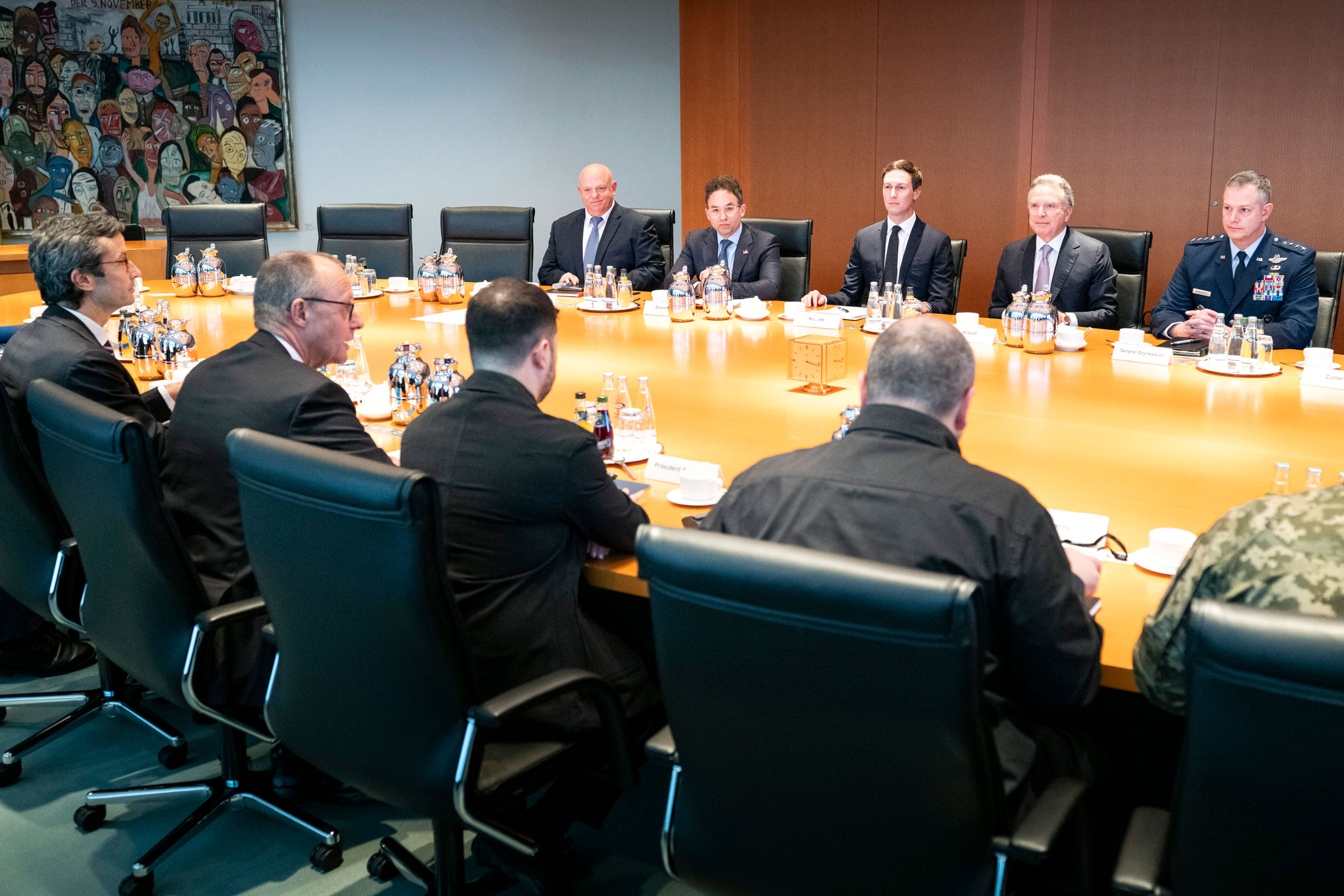 US and Ukrainian delegations hosted by German Chancellor Friedrich Merz in Berlin yesterday. Photographer: Guido Bergmann/Bundesregierung/Getty Images Talks are taking place in Berlin today with a US delegation including Trump's envoy, Steve Witkoff. The signs they're ready to face down Vladimir Putin aren't encouraging, even as NATO chief Mark Rutte warns Europeans that "we are Russia's next target" unless they do. The ill-named Coalition of the Willing of more than 30 countries is unwilling to commit any forces to Ukraine until after a truce. Even then, they don't plan to put them in frontline areas; Trump has ruled out US ground troops. Russia remains hostile to the presence of any soldiers from NATO countries in Ukraine. Will it get a veto? Ukraine has reason to insist on iron-clad guarantees after its experience with the 1994 Budapest Memorandum, when Russia joined with the US and the UK in pledging to respect its territorial integrity and refrain from military force in exchange for Kyiv giving up its Soviet nuclear arsenal. When push came to shove, the document gave Ukraine no protection. Many leaders have been unwilling to back Ukraine's NATO bid, so in that sense, Zelenskiy's offer is an admission of political reality. Still, Russia's war against Ukraine is Europe's most serious security challenge in decades. Zelenskiy's making clear that, inside or outside of NATO, resolving it requires hard commitments from allies. — Anthony Halpin 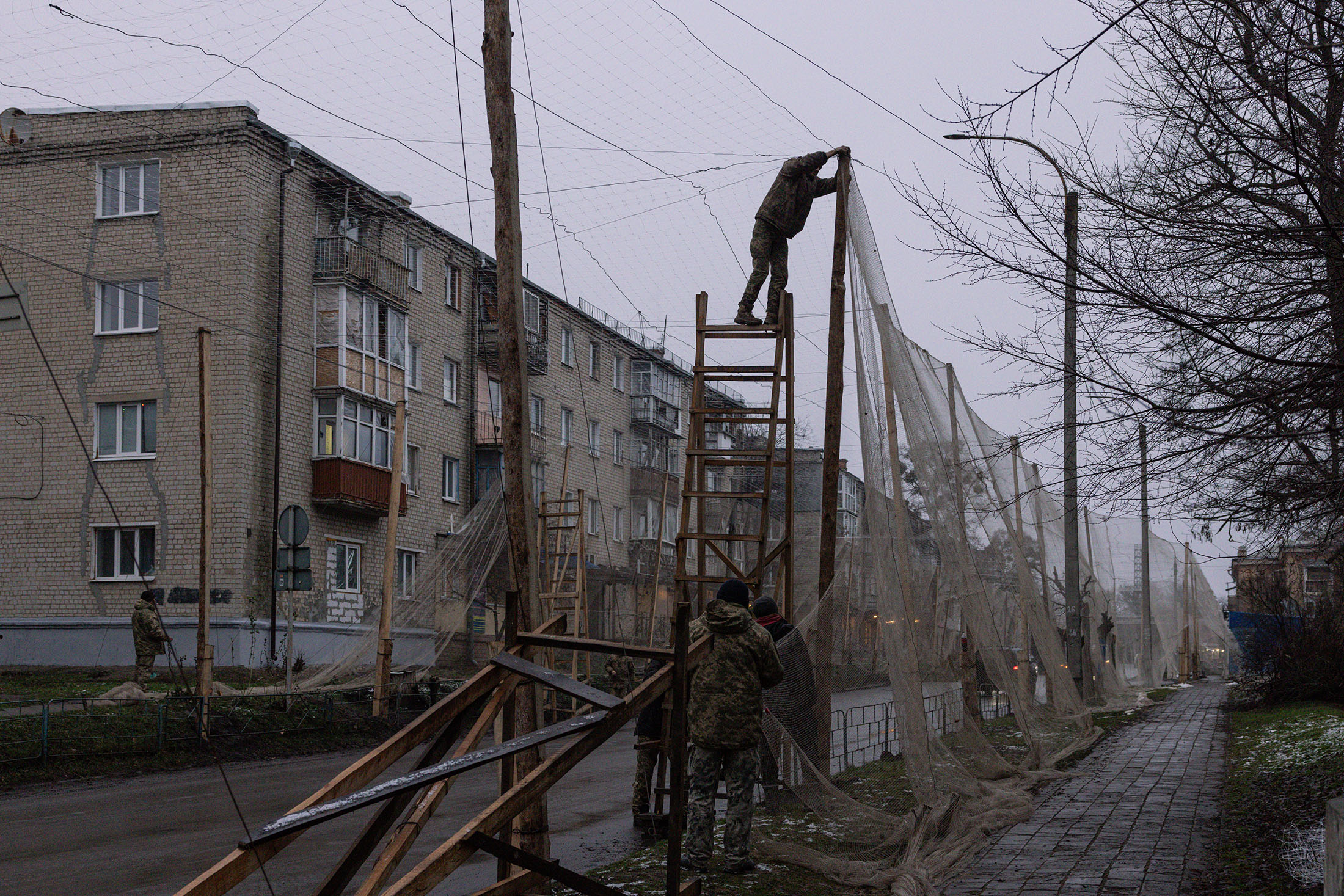 Ukrainian Army members install anti-drone nets in the center of Izyum, Kharkiv region, on Dec. 10. Photographer: Diego Fedele/Getty Images Global Must ReadsAustralia suffered its deadliest terrorist attack as two gunmen targeted members of the Jewish community gathered to celebrate the first day of Hanukkah at Sydney's Bondi Beach, killing at least 15 people. The government will consider toughening gun laws after the father-and-son shooting that's also likely to spur a policy debate on immigration and Australia's relationship with Israel. 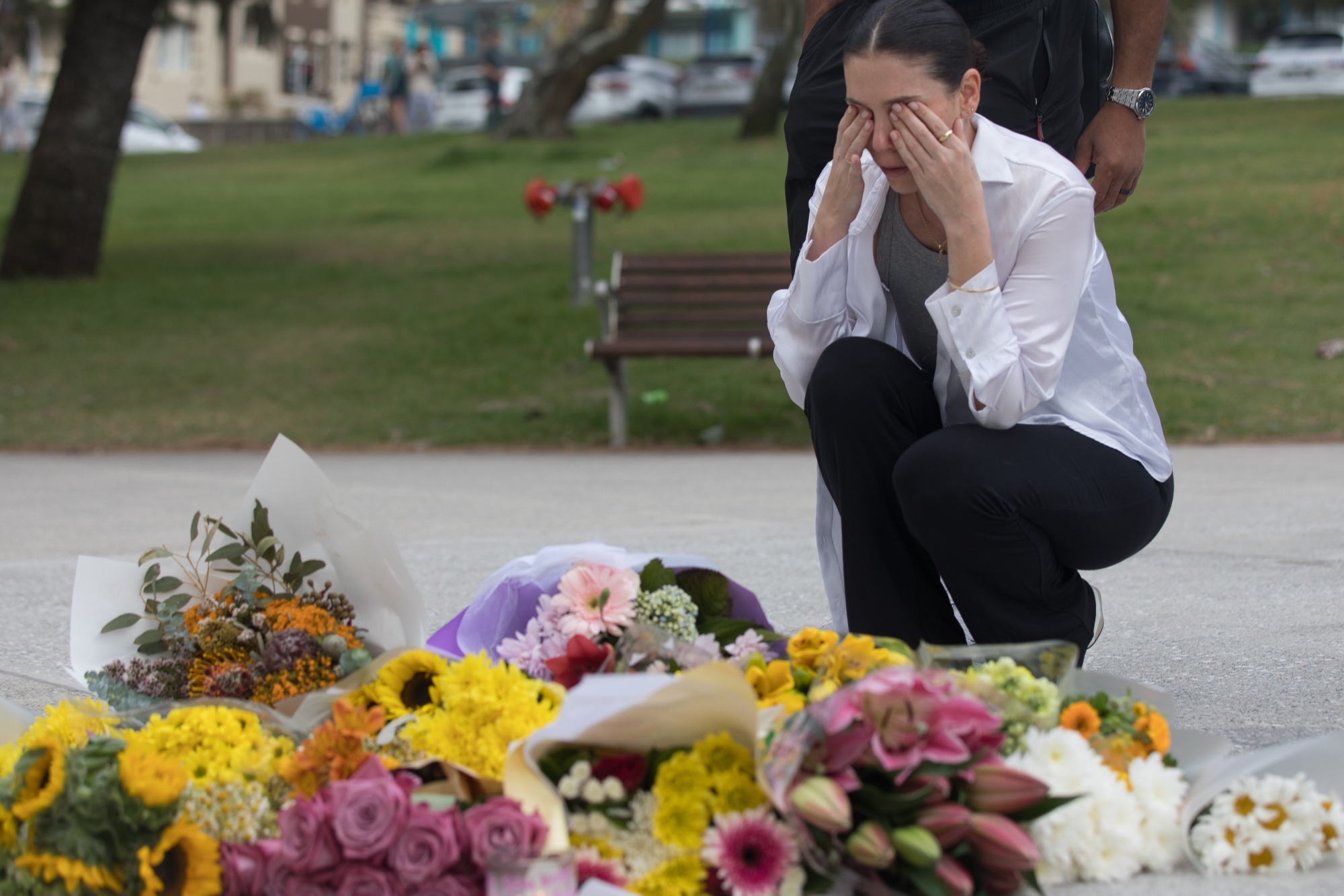 A mourner lays flowers near the scene of the mass shooting at Bondi Beach. Photographer: Brent Lewin/Bloomberg China's investment slumped further and retail sales expanded at their weakest pace since the crash caused by Covid, in another month of lopsided expansion that's inflaming trade tensions with the rest of the world. Chinese President Xi Jinping lashed out at officials reporting exaggerated growth numbers and vowed to crack down on "reckless" projects that have no purpose except for showing superficial results. Former Hong Kong media mogul Jimmy Lai was found guilty of endangering national security in a landmark trial, a verdict that could see the 78-year-old jailed for life and fuel tensions between China and the US. Hong Kong's Democratic Party, once the city's largest opposition group that pressed Beijing aggressively on democratic reforms including universal suffrage, meanwhile voted to dissolve after 31 years of operation. Ultra-conservative José Antonio Kast won Chile's presidency by a landslide yesterday, harnessing voter anger over crime and migration to drive the country into its most dramatic rightward shift in decades. Sweeping all 16 regions, the former lawmaker and son of German post-war immigrants will take office on March 11, having vowed an "emergency government" to swiftly crack down on irregular migration while cutting taxes and public spending. With relations in the deep freeze, China will take back the remaining two pandas hosted by Japan next month, effectively halting a program that has symbolized friendship between the two countries since diplomatic ties were re-established in 1972. While the panda twins were already scheduled for transfer to China in February, Tokyo had sought to extend their stay, according to local reports.  Xiao Xiao, left, and Lei Lei at Tokyo's Ueno Zoological Gardens in 2024. Photographer: Kyodo News/Getty Images Thai Prime Minister Anutin Charnvirakul said there's no plan for a ceasefire as the country reported the first civilian death from a Cambodian rocket attack after more than a week of intense fighting. Trump signaled that America will do "big damage" to the militants behind an attack he blamed on the Islamic State that left two US Army soldiers and an interpreter dead in the Syrian city of Palmyra. The US and Mexico agreed to end a dispute over water at the border with Texas, easing tensions after Trump threatened to slap additional 5% tariffs on Mexican imports. A South African parliamentary committee that oversees the telecoms industry called for the withdrawal of a measure that would enable Elon Musk's Starlink to operate in the country without a 30% Black-ownership requirement. Sign up for the Washington Edition newsletter for news from the US capital and watch Balance of Power at 1 and 5 p.m. ET weekdays on Bloomberg Television. Chart of the Day Artificial intelligence chipmaker Moore Threads pulled off China's most successful IPO since 2019 this month, capping a year in which investors have grown increasingly excited about the prospects for the country's AI semiconductor advancement. Moore Threads adds to Cambricon and a coterie of other once-unknown names that now harbor bold ambitions to take on US industry leader Nvidia, with China said to be preparing a package of as much as $70 billion to bankroll and support the sector. The reality, though, is that China's chipmakers are struggling with technological bottlenecks that capital alone may not easily resolve — including in manufacturing. And FinallyThe death toll from flooding and landslides in Sumatra rose past 1,000 with more than 200 missing, as Indonesian President Prabowo Subianto visited the region and called for a fast rebuild of damaged areas. The government estimates the costs of reconstruction at about $3 billion after monsoon rainfall was intensified by a rare cyclone this month, leveling buildings, knocking out power grids and blocking roads. Deadly floods in Asia and early snowstorms across the US are signaling the return of La Niña, a cooling of Pacific waters that can bring extreme weather disrupting economies and triggering disasters worldwide. 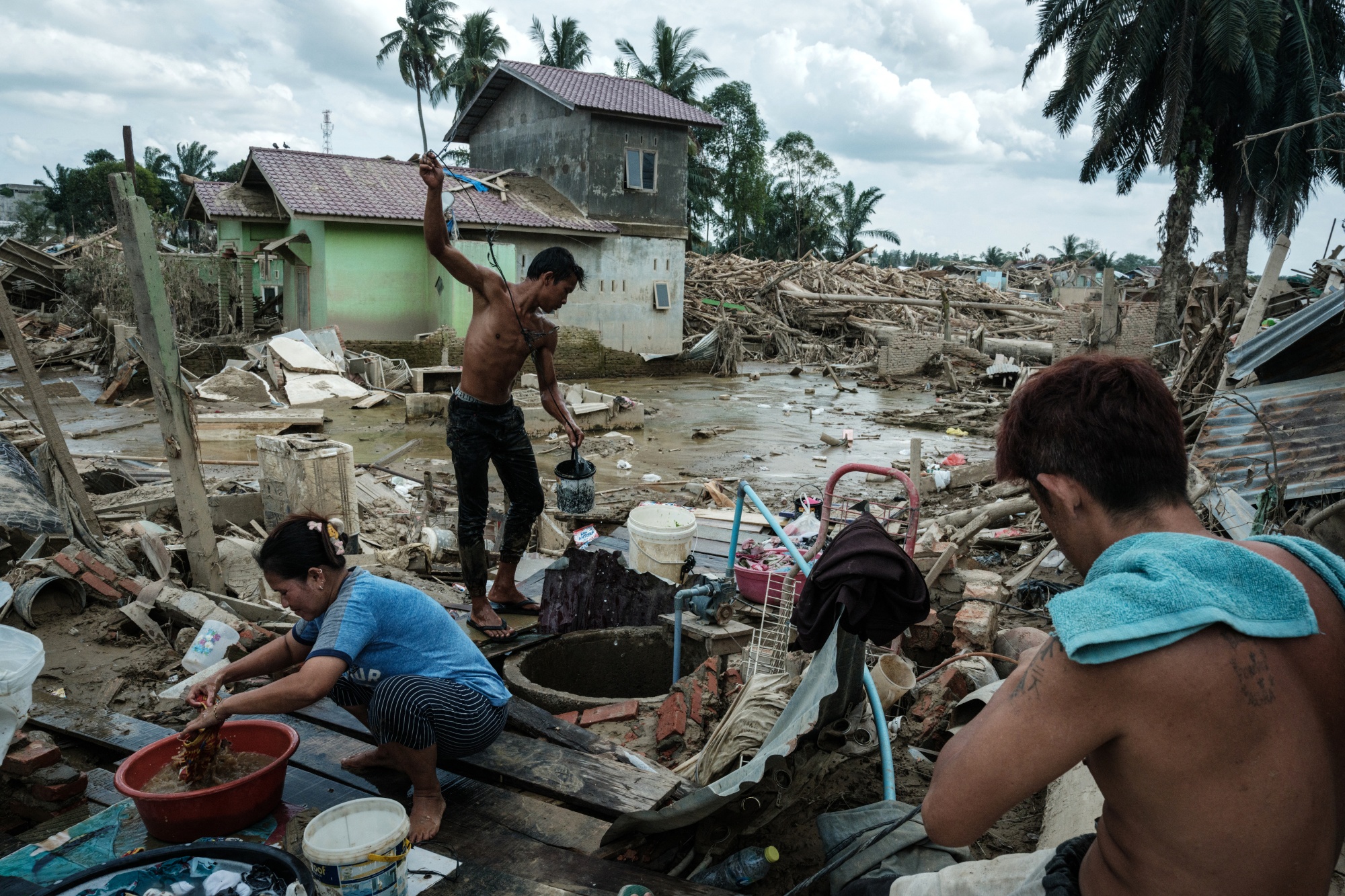 An area affected by flash floods in Northern Sumatra on Saturday. Photographer: Yasuyoshi Chiba/AFP/Getty Images Thanks to everyone who answered Friday's quiz question, and congratulations to Richard Lorenz, who was first to name Bulgaria as the country where a wave of protests against graft has destabilized the government just as it's poised to adopt the euro currency. More from Bloomberg
We're improving your newsletter experience and we'd love your feedback. If something looks off, help us by reporting it here. Follow us
You received this message because you are subscribed to Bloomberg's Balance of Power newsletter. If a friend forwarded you this message, sign up here to get it in your inbox.
|
Monday, December 15, 2025
Ukraine’s opening gambit





Subscribe to:
Post Comments (Atom)

-
PLUS: Dogecoin scores first official ETP ...
-
Hollywood is often political View in browser The Academy Awards ceremony is on Sunday night, and i...


No comments:
Post a Comment