| Read in browser | ||||||||||||||
 Welcome to Balance of Power, bringing you the latest in global politics. If you haven't yet, sign up here. Did Donald Trump just take a step closer to regime change in Venezuela? There's been a steady tightening of the vise: The seizure of an oil tanker last week off the Caribbean coast was followed by opposition leader María Corina Machado slipping out of the country in secret with US help and popping up in Norway to accept a Nobel Peace Prize. After weeks of drum rolling, the US president has now ordered a "complete blockade" of sanctioned tankers going in and out of the country. It's a strike against the economic lifeline that keeps Nicolás Maduro's autocratic government afloat. The question still lingers about whether this is about Trump getting his hands on the world's largest oil reserves or part of a broader strategy that includes diversifying energy supplies. 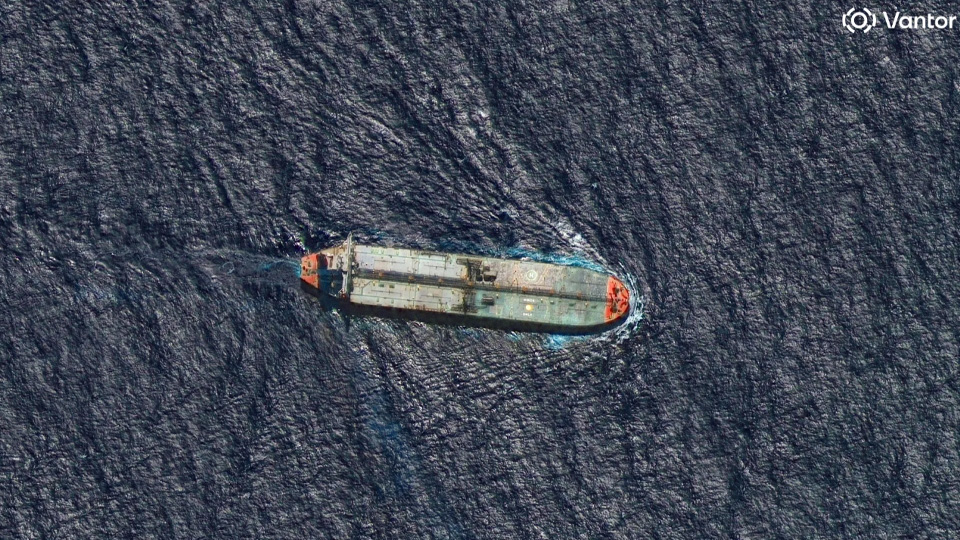 WATCH: Bloomberg's Stephen Stapczynski reports on Trump's blockade. The positioning of warships, aircraft and troops near Venezuela is the largest military deployment to the region since the US invasion of Panama in 1989 and certainly suggests this is about more than stopping drugs from entering the US. Trump's true intentions should become clear soon enough. His fascination with Venezuela goes back decades: As a tycoon in the 1980s, he'll have memories of it as one of the wealthiest and most glamorous places in South America. For an economy that in the 1950s was 12 times that of China, it's been a stunning reversal. While oil has gained on the latest US measures, the moves have been modest, underscoring Venezuela's slump to 21st place among world producers. Over in Norway, Machado is recovering from an injury to her spine incurred during her escape from Venezuela, waiting in the wings for a transition of power. There have been various whispers of where Maduro could turn up if it came to exile. But as history shows, turfing out an authoritarian leader is rarely straightforward. — Flavia Krause-Jackson 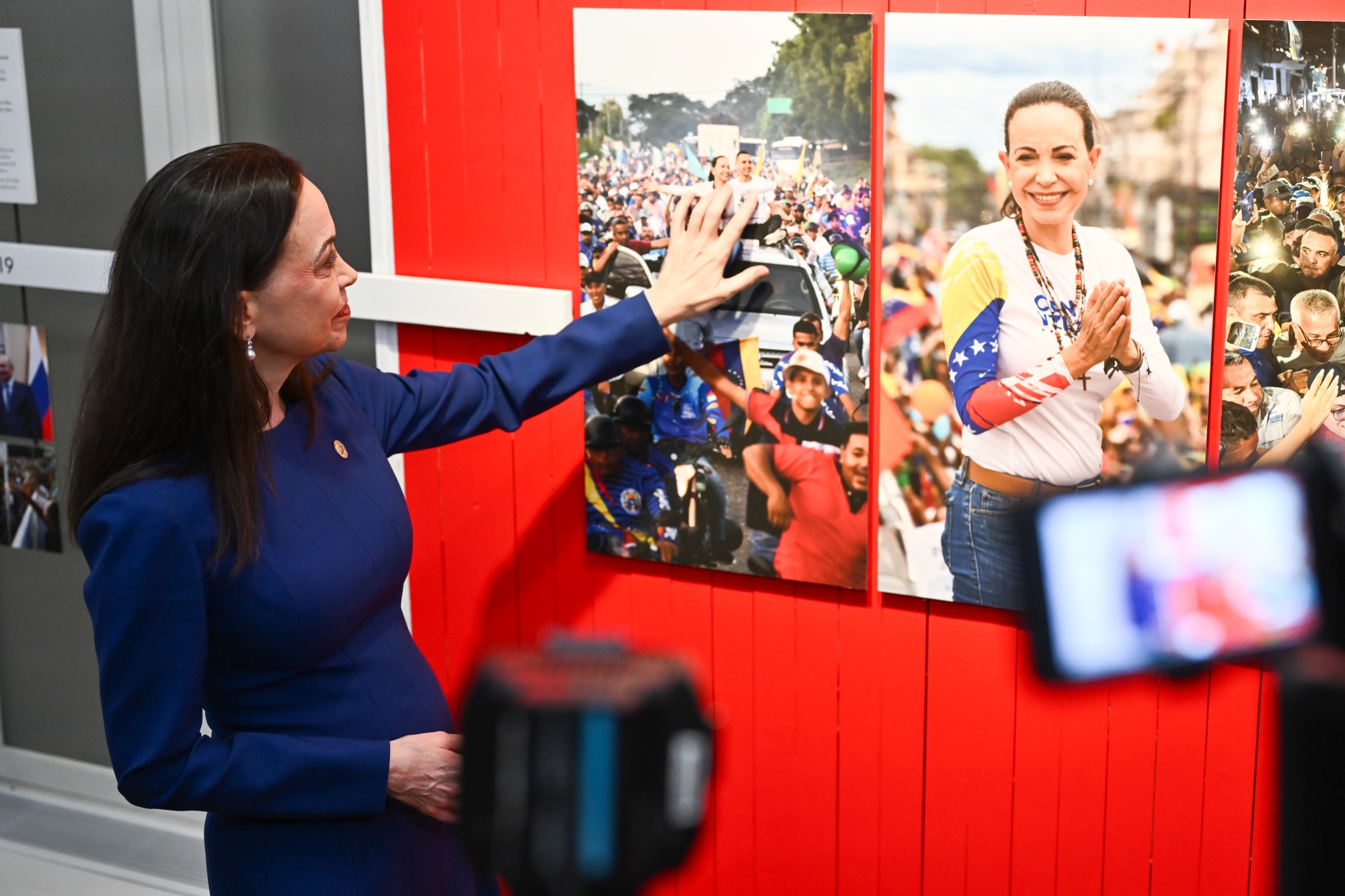 Machado at the opening of the Nobel Peace Prize Exhibition 2025 in Oslo on Dec. 11. Photographer: Naina Helén Jåma/Bloomberg Global Must ReadsThe Trump administration threatened retaliation against the European Union in response to efforts to tax American tech companies, singling out prominent companies including Accenture and Siemens as possible targets for new restrictions or fees. In response to attacks by Trump, European Commission President Ursula von der Leyen implored the continent to chart its own course in a changed world. China's depiction of Jimmy Lai as a "traitor" in the aftermath of his Hong Kong conviction on national security charges suggests efforts to seek clemency for the 78-year-old former media mogul, even by the US president, will face challenging odds. President Xi Jinping expressed full support for Hong Kong Chief Executive John Lee, praising his administration's performance after a year defined by a deadly fire, a financial turnaround and Lai's possible life sentence. 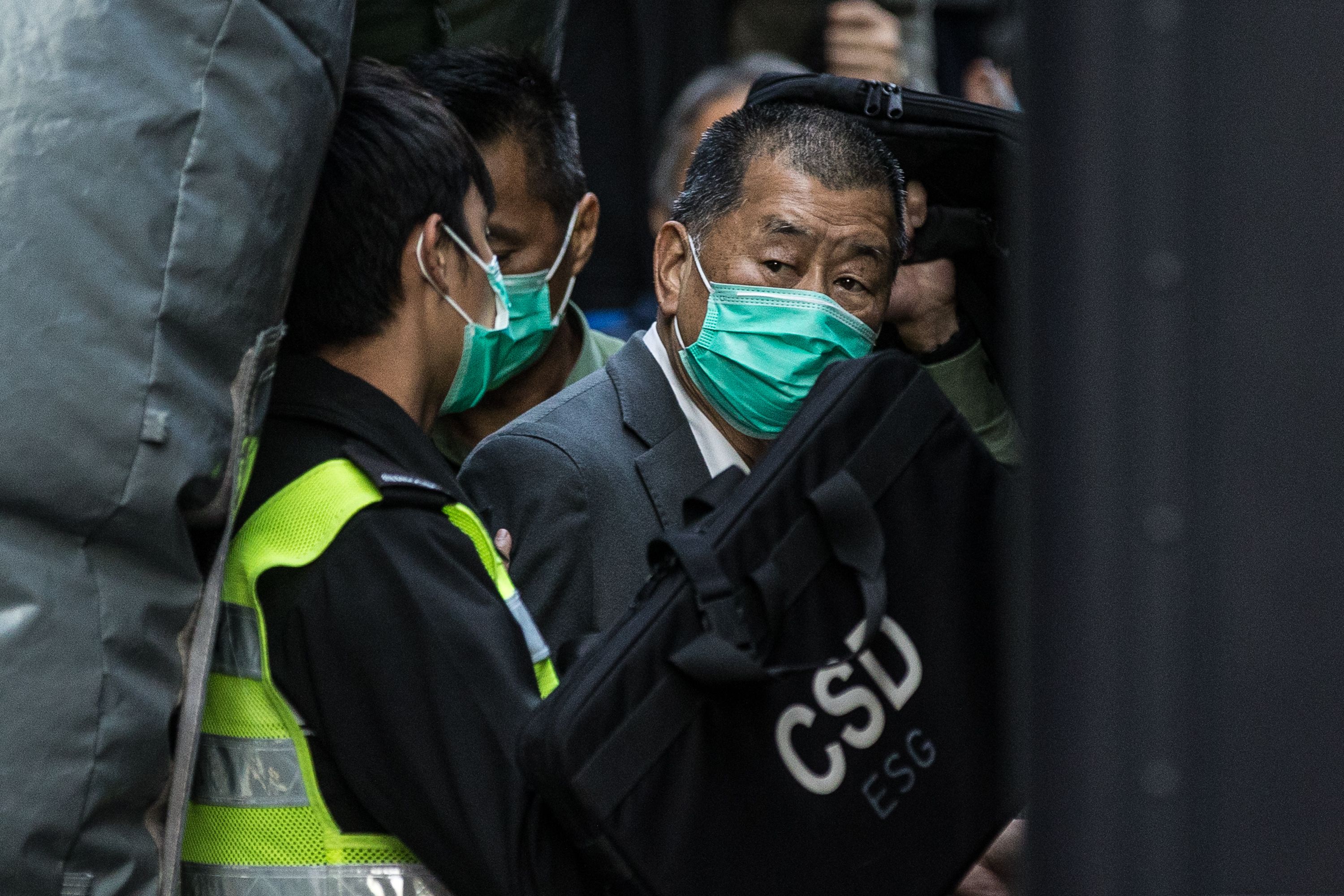 Lai outside the Court of Final Appeal in Hong Kong in 2021. Photographer: AFP/Getty Images Australian authorities charged the surviving gunman in the Sydney Hanukkah attack that killed 15 with 59 offenses including murder and terrorism. The 24-year-old remains under police guard in hospital after he was shot during the attack, which Prime Minister Anthony Albanese's office said was inspired by Islamic State. The charges come as New South Wales, home to Sydney, plans to pass gun reforms next week in the wake of the Bondi Beach massacre. Jared Kushner is finding himself very much in the political spotlight. The US president's son-in-law told a Miami crowd last year that he'd stay out of government affairs even if offered a job. Now he's a linchpin of some of the biggest issues confronting the White House, from the Gaza ceasefire to Ukraine peace-deal talks, underscoring a defining feature of Trump's inner orbit: You never really leave. 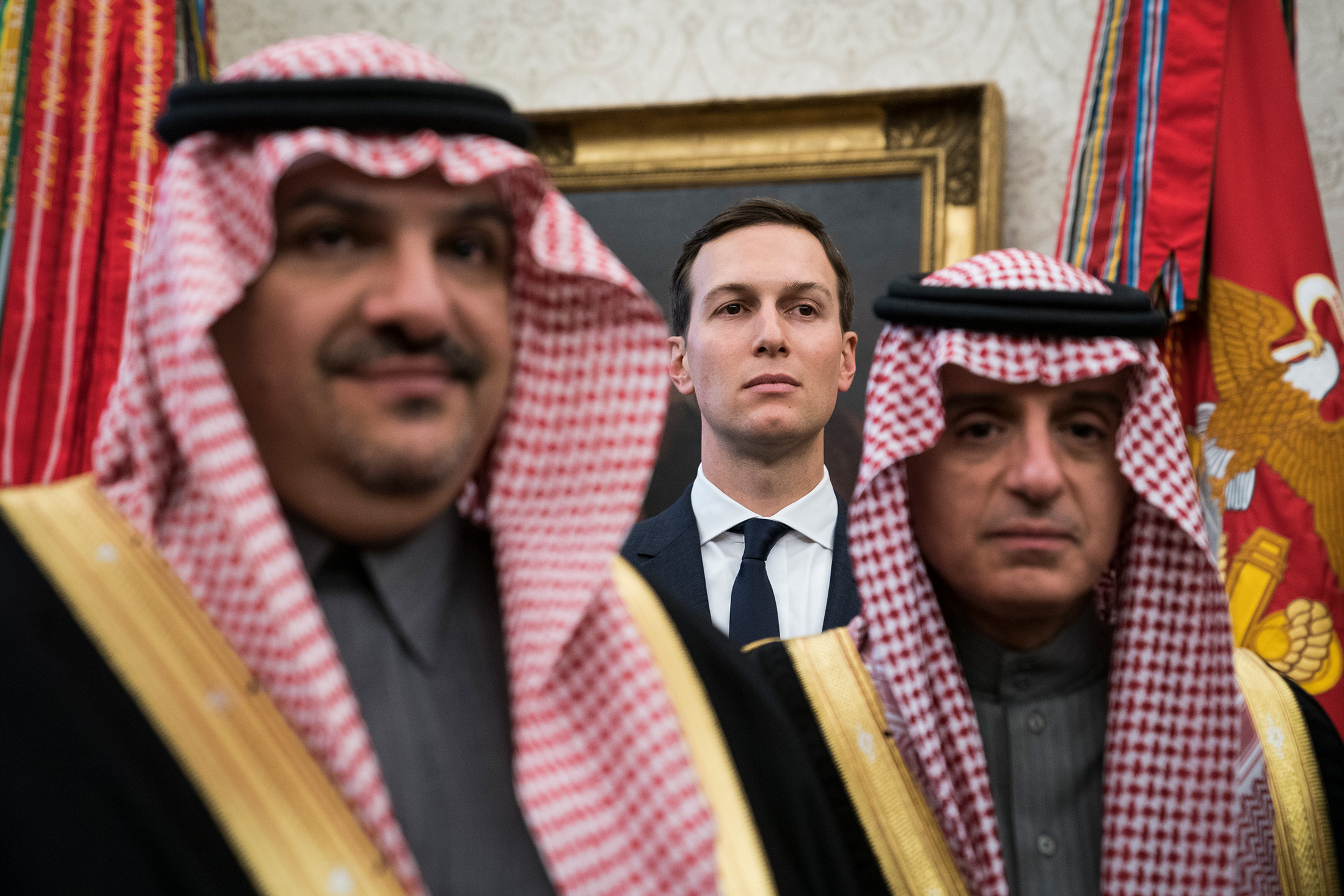 Kushner attends a meeting between Trump and Saudi Crown Prince Mohammad bin Salman at the White House in 2018. Source: The Washington Post Chilean President-elect José Antonio Kast met with Argentina's libertarian firebrand, Javier Milei, in Buenos Aires to seal their ideological alliance. Kast's visit aims to deepen the $7.7 billion trade relationship and harness Argentina's rapidly recovering economy to help reinvigorate Chile's own. The meeting illustrates their shared conservative agenda despite their different styles, with Kast more radical and Milei more populist. The US is preparing a fresh round of sanctions on Russia's energy sector to increase the pressure on Moscow should President Vladimir Putin reject a peace agreement with Ukraine, sources say. Trump expanded the list of countries facing travel restrictions in the latest move by his administration to crack down on migration following the shooting of two National Guard troops last month. French President Emmanuel Macron said in a Financial Times op-ed that placing tariffs and quotas on Chinese imports would be "an uncooperative answer" to address the trade imbalance with the EU. White House Chief of Staff Susie Wiles told Vanity Fair Elon Musk was an "avowed" ketamine user and labeled Vice President JD Vance a "conspiracy theorist." Wiles called the article "a disingenuously framed hit piece." Sign up for the Washington Edition newsletter for news from the US capital and watch Balance of Power at 1 and 5 p.m. ET weekdays on Bloomberg Television. Chart of the Day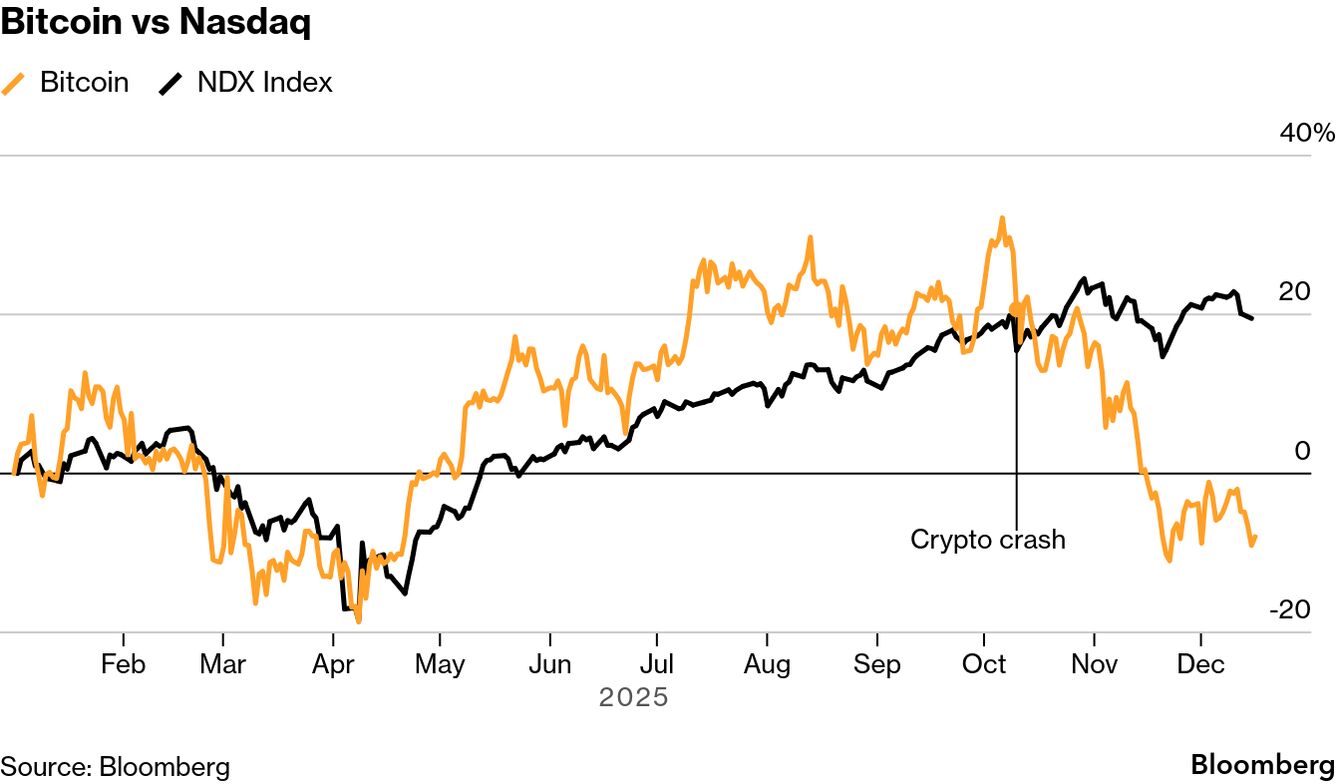 Bitcoin is headed for the fourth annual decline in its history, and the first one that doesn't coincide with a major scandal or industry meltdown. While the latest slump is a much milder correction than in the previous three, it's happened against a vastly different backdrop. Since the last major crypto crash in 2022, institutional adoption has widened, regulation has matured, and the industry has found arguably its most important champion in Trump. And FinallyBroadcasts of hearings into a ballooning flood-control scandal in the Philippines have shocked the nation and offered a glimpse into what investigators say was a vast multi-year scheme that cost the country about $2 billion in public funds intended to protect villages from deluge. Some defenses collapsed almost instantly and others were never built at all, contributing to the devastation from storms that have left about 400 dead and more than 9.5 million people displaced this year. 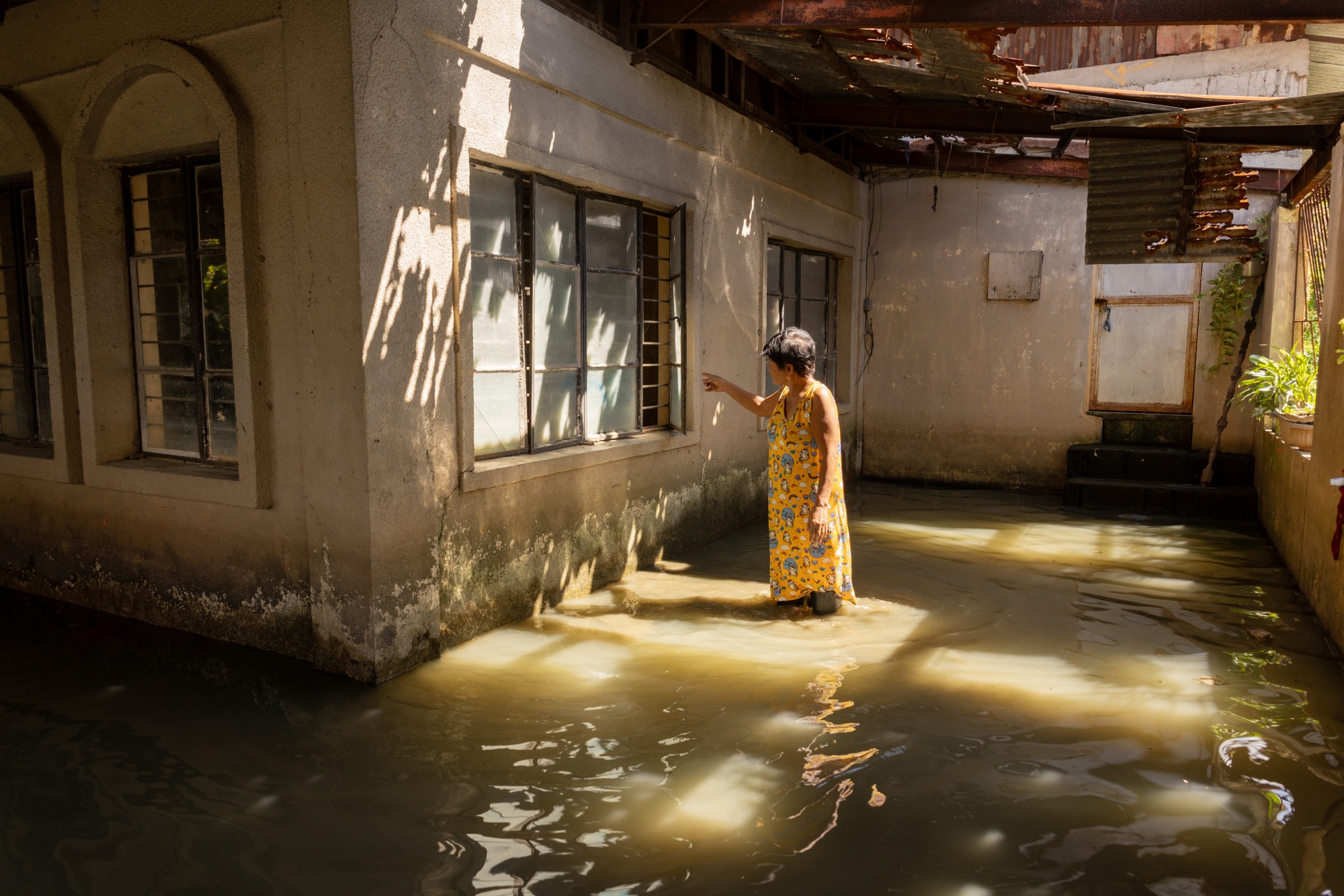 A flooded home in Calumpit on Dec. 6. Photographer: Geric Cruz/Bloomberg More from Bloomberg
We're improving your newsletter experience and we'd love your feedback. If something looks off, help us by reporting it here. Follow us
You received this message because you are subscribed to Bloomberg's Balance of Power newsletter. If a friend forwarded you this message, sign up here to get it in your inbox.
|
Wednesday, December 17, 2025
Turning up the heat on Maduro





Subscribe to:
Post Comments (Atom)
97 bucks! That's all it takes!
Not sure how long this insane offer stays up You've seen what folks in my Quick Flip Community have b...

-
PLUS: Dogecoin scores first official ETP ...
-
Hollywood is often political View in browser The Academy Awards ceremony is on Sunday night, and i...


No comments:
Post a Comment