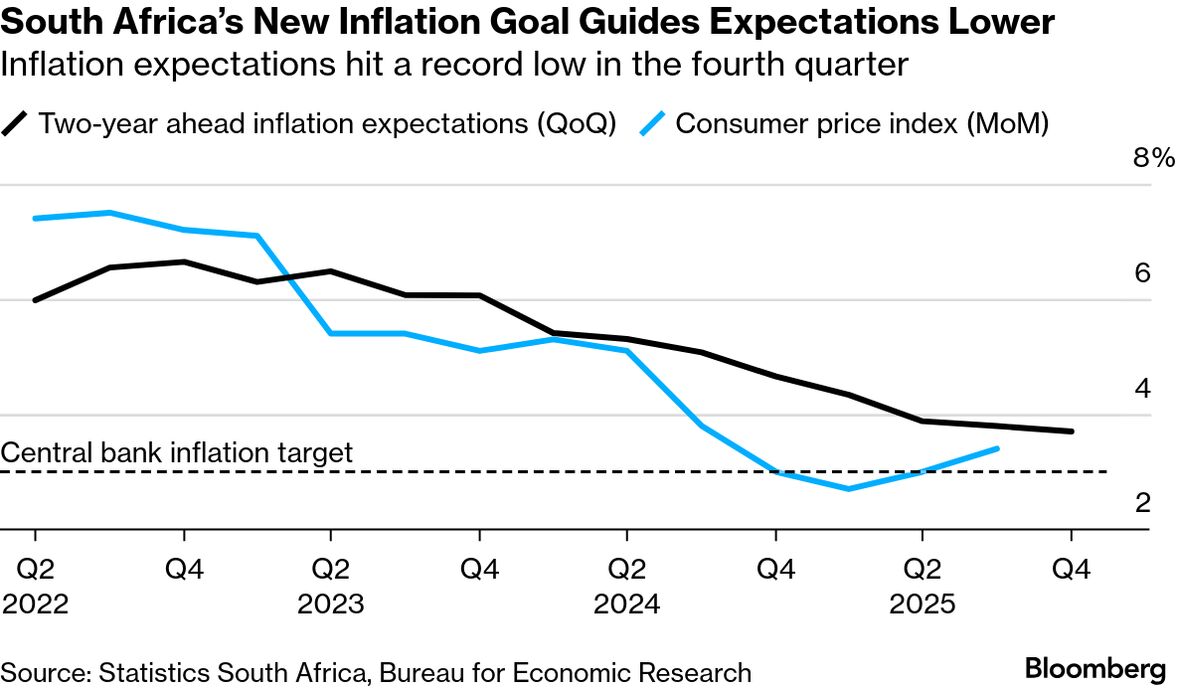
| Welcome to Next Africa, a twice-weekly newsletter on where the continent stands now — and where it's headed. Sign up here to have it delivered to your email. Zambia's approval of sweeping constitutional changes this week sets the stage for a turbulent run-up to next year's elections. Lawmakers backed the bill by the required supermajority, expanding the number of seats in parliament and introducing proportional representation for the first time. President Hakainde Hichilema says the overhaul will spread development more evenly by redrawing electoral boundaries. 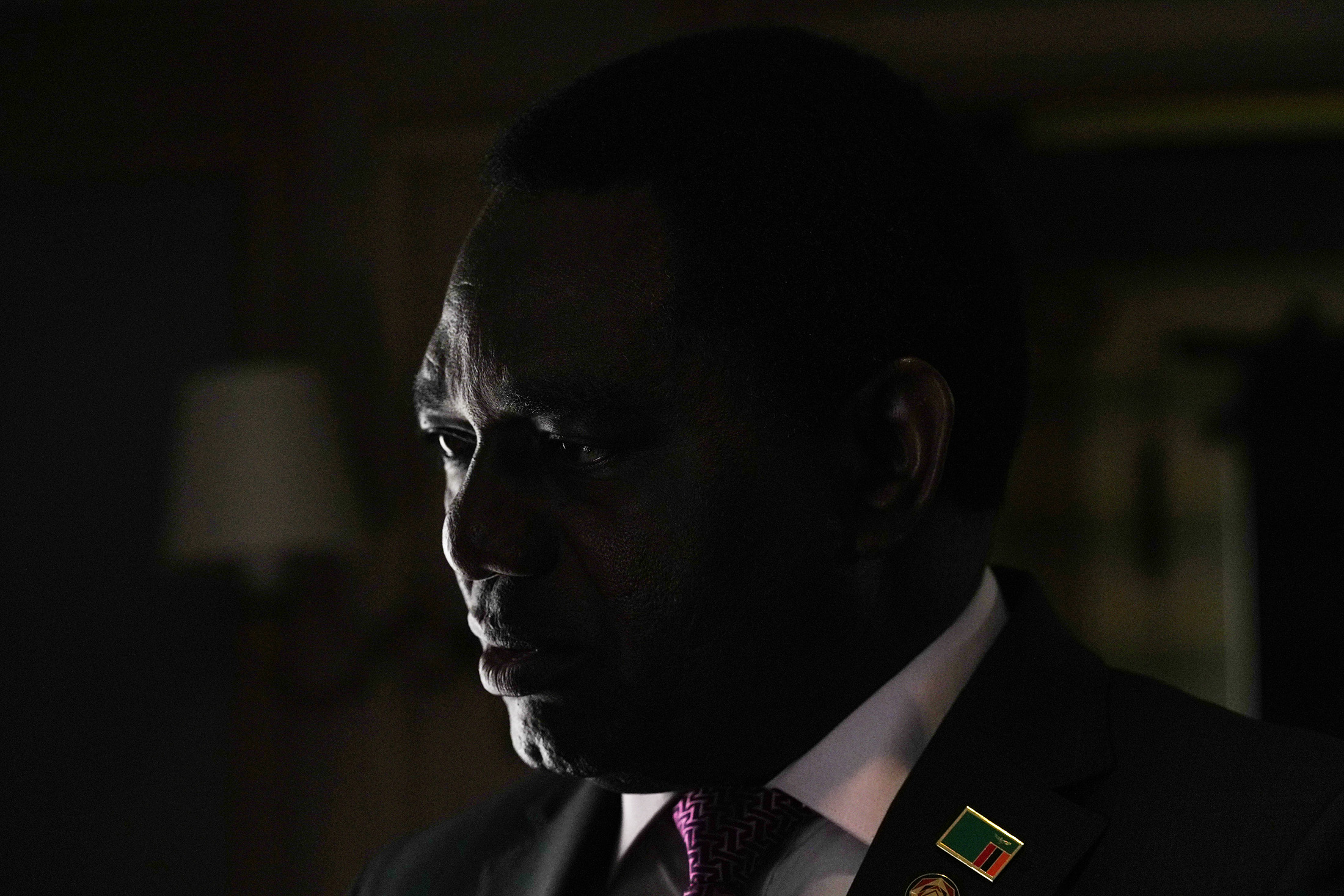 Hichilema in June 2023. Photographer: Nathan Laine/Bloomberg Critics warn the redistricting process — conducted with little transparency — will allow his ruling United Party for National Development to carve out new seats in its strongholds and engineer an in-built two-thirds majority, clearing the way for future constitutional amendments. The reforms come at a moment of social strain: rolling power outages, persistent inflation and high unemployment have eroded support for Hichilema's administration. That increases the incentive for the incumbents to tilt the field ahead of August voting. International guardrails are also weakening. The amendments were made just as US foreign policy on Africa pivots toward Realpolitik, with the Trump administration signaling that partnerships — particularly in countries rich in critical minerals like Zambia — will be guided by strategic rather than democratic performance. 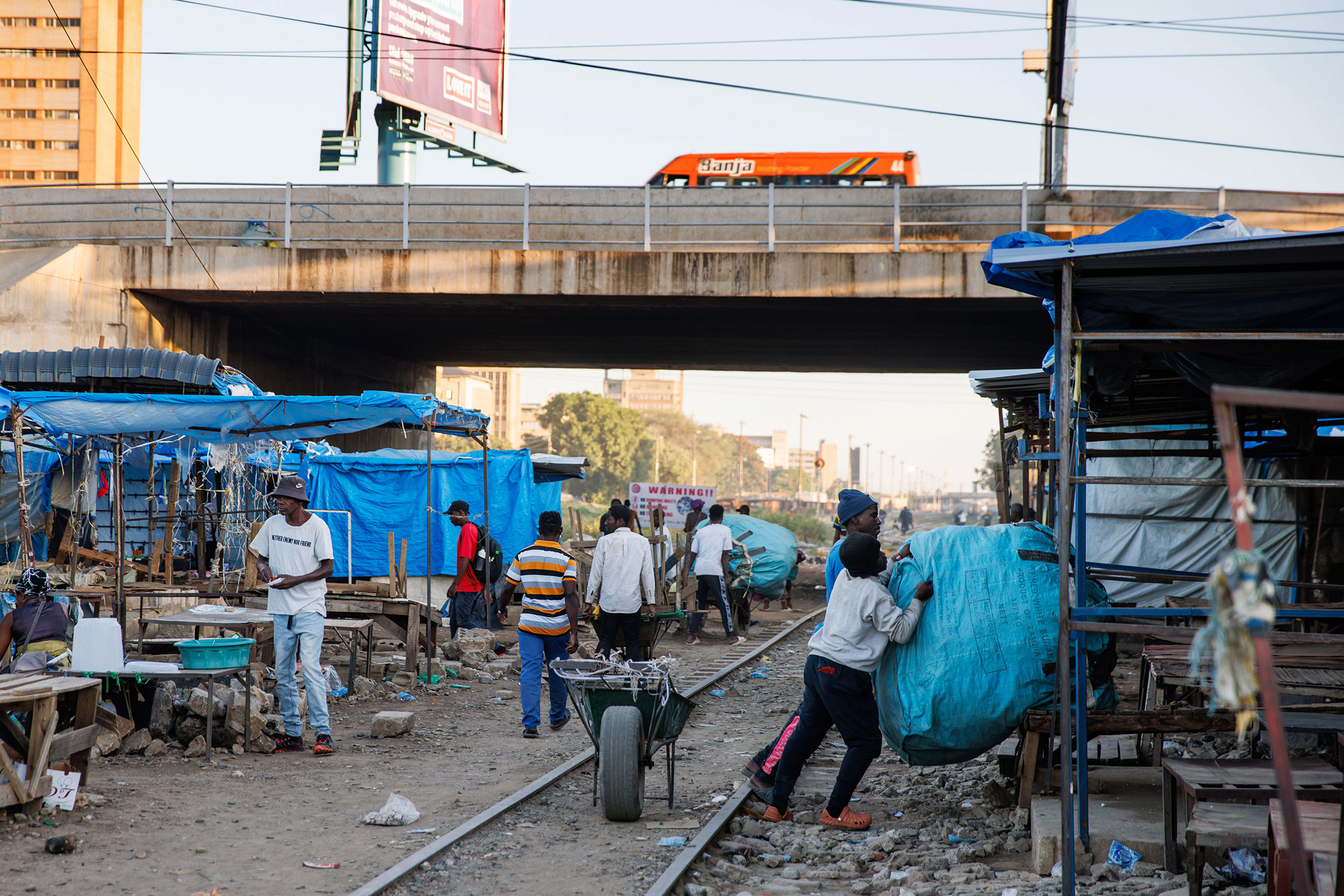 A street market area in Lusaka, Zambia, in February 2024. Photographer: Luke Dray/Bloomberg That shift removes a long-standing source of pressure on governments considering institutional redesigns. Sitting governments in Ivory Coast, Tanzania and Cameroon have in the past few months benefited from lop-sided elections — where key opponents were barred — without consequences. For Zambia, the question is whether these changes become a technical fix for constituency imbalances, or the foundation for a gradual democratic backslide. With Washington's leverage fading and economic pressures mounting, other regional leaders will be watching how far Lusaka will push its revamp, and how voters will respond at the polls. — Taonga Mitimingi and Paul Richardson Key stories and opinion:
Zambia Lawmakers Back Constitutional Amendment Before Election
Tanzania Leader Sworn In for Second Term Amid Tight Security
Zambian Presidency Shuns Plan to Give State Free Stake in Mines
Whistleblower Allegations Challenge Zambia's Anti-Graft Leader
Zambia Proposes Increased Number of Lawmakers as Elections Loom  Illustration: Jose Flores Bloomberg is looking to showcase Africa's top entrepreneurs for our second annual Africa Startups to Watch list. We want to spotlight innovative thinkers and barrier breakers who are ready to embrace new technologies and avoid the traditional industry hurdles that have held the continent back from realizing its potential. Click here to apply. South Africa's central bank plans the biggest overhaul of the nation's cash system in decades, moving to create a cash-management company, roll out white-label ATMs and tighten oversight of how money circulates to make it cheaper and easier to access. Separately, the lawmaker committee overseeing the telecommunications industry called for the withdrawal of a policy directive that would enable Elon Musk's Starlink and other satellite-internet companies to operate in the country without ceding ownership. 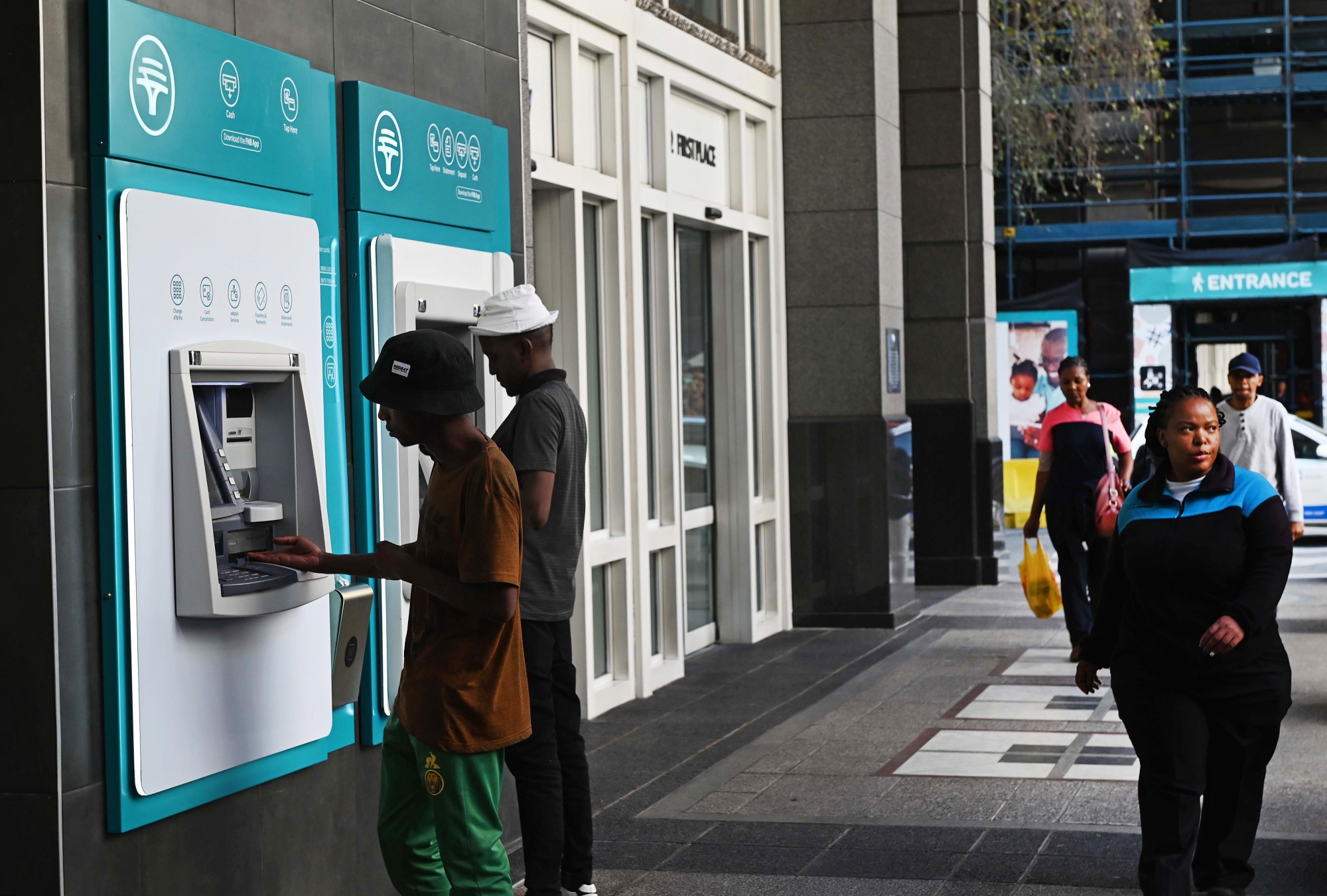 Customers use ATMs in central Johannesburg. Photographer: Leon Sadiki/Bloomberg Rwanda-backed M23 rebels will withdraw from eastern Democratic Republic of Congo's third-biggest city, under US pressure. The group took Uvira last week alongside Rwandan troops, according to Washington, which has backed a peace deal between Kigali and Congo. The M23 offensive was denounced by multiple countries at an emergency meeting of the United Nations Security Council last week after it had earlier seized two other major Congolese cities. At least 37 people died after torrential rains flooded the coastal Moroccan city of Safi on Sunday, in the deadliest flash floods to hit the North African nation in over 20 years. Extreme weather conditions — heavy rain and snow — hit several parts of the country and the authorities ordered schools and colleges to be closed for three days. The densely inhabited historic center of Safi, a city of 350,000 people famed for its artisan pottery, bore the brunt of the disaster. 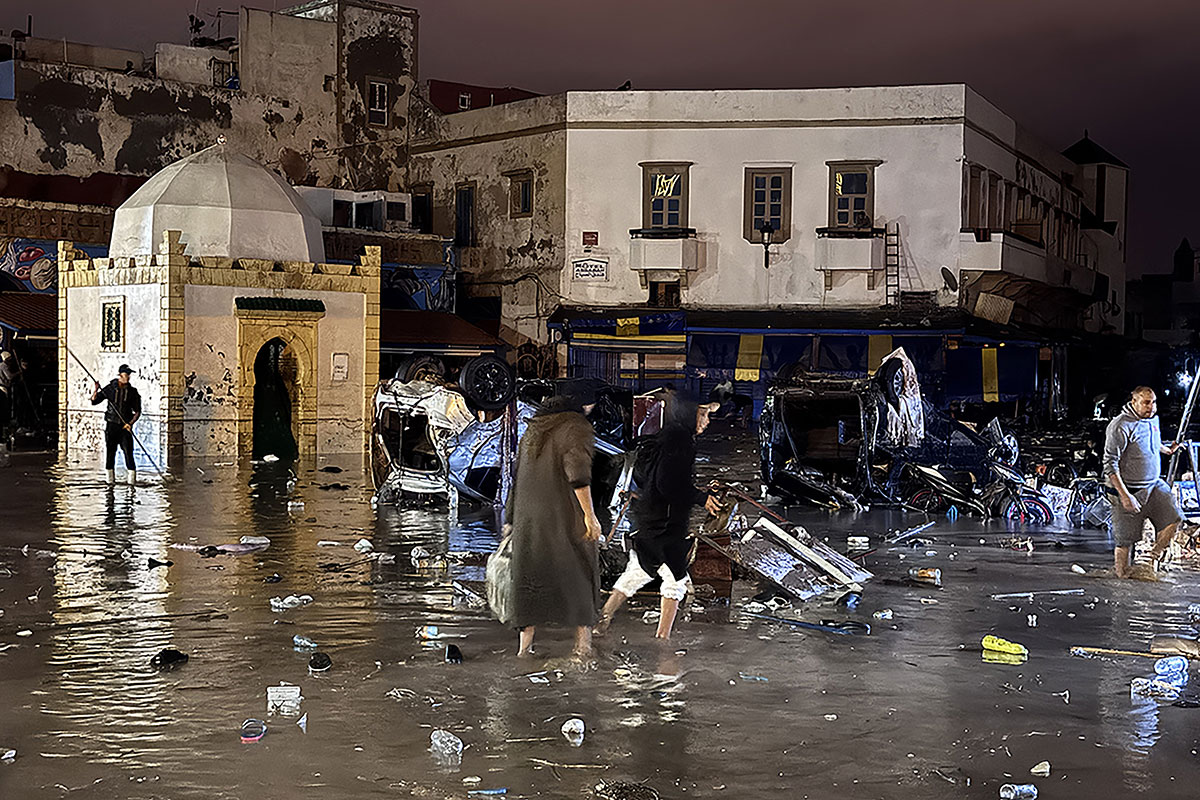 People wade through floodwaters in Safi. Source: AFP/Getty Images Mali has restored control of the Loulo-Gounkoto mine to Barrick and will return three tons of gold to the company after the two sides resolved a years-long dispute last month. The restitution has already been ordered, with the return of the bullion and the handover of the operation set to follow the formal conclusion of legal proceedings, the firm's legal representative said. Ask ChatGPT why it's so hard to plan a holiday and its top reason — of eight — is decision paralysis. Information overload comes second. Check out Bloomberg's 10th annual travel guide for the year ahead, to help make it easier than ever to cut through the noise — from Argentina and Sardinia to Senegal and a trek to see gorillas in Gabon.  Gorillas in the rainforests of Loango National Park, Gabon. Photographer: Kyle De Nobrega/Bloomberg Senegal's key debt indicators are improving, Finance Minister Cheikh Diba said, as the government leans on local-currency borrowing and what he termed as favorable refinancing opportunities. Senegal continues to tap West Africa's regional debt market to cover its budget gap following the discovery of billions of dollars in unreported borrowings that shut it out of international markets. The West African nation's liabilities stood at 132% of gross domestic product at the end of last year. Thank you for your responses to our weekly Next Africa Quiz and congratulations to Deon Fourie, who was first to correctly identify South Africa as the country that signed a pact with a firm headed by Filipino billionaire Enrique Razon in what is the nation's first ports privatization. South Africa's central bank credited its new 3% inflation target for helping guide price expectations lower across the economy, after the formal adoption of the goal last month. The decline may encourage policymakers to cut interest rates again when they hold their next meeting in late January. | 







No comments:
Post a Comment