| Read in browser | ||||||||||||||
  Welcome to the Brussels Edition. I'm Suzanne Lynch, Bloomberg's Brussels bureau chief, bringing you the latest from the EU each weekday. Make sure you're signed up. Chief among them is a decision to abandon its plan to ban combustion engines entirely from 2035 – a key plank of its climate policy. The proposal, to be outlined after this afternoon's meeting of the 27 EU commissioners in Strasbourg, will soften emissions rules for new cars, allowing for a number of new vehicles to still use a combustion engine, according to people familiar with the matter. Under the new plan, tailpipe emissions will have to be reduced by 90% by the middle of the next decade compared with the current goal of a 100% reduction. Full details will be revealed this afternoon and will need to go to the European Parliament and European Union member states for sign-off, but the announcement is a major pre-Christmas win for Europe's struggling car industry. German carmakers have been leading the charge in lobbying against the ban, but have not been alone. Just this month, six prime ministers including Italy's Giorgia Meloni and Poland's Donald Tusk lobbied the commission to allow plug-in hybrids, range extenders and fuel-cell technology after 2035. 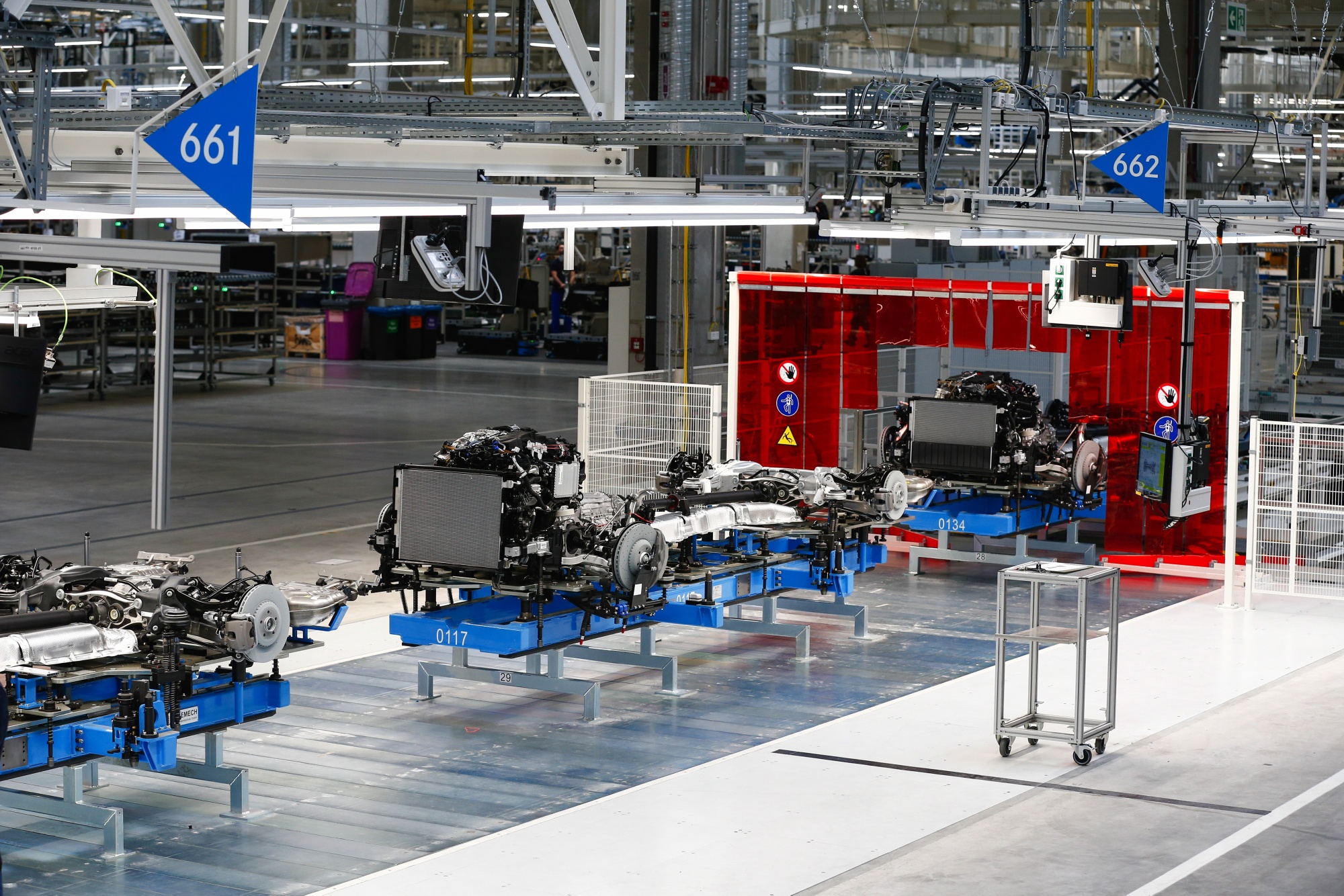 Combustion engines stand on trolleys on the Mercedes S-Class luxury sedan assembly line. Photographer: Michaela Handrek-Rehle/Bloomberg The proposal will allow carmakers to slow the rollout of electric vehicles in Europe at a time when carmakers globally are struggling to make the shift to EVs profitable. Tomorrow, the commission is set to double-down on its controversial carbon-levy plan. The Carbon Border Adjustment Mechanism (CBAM), which is set to come into force on Jan. 1, introduces a charge on companies for the emissions embedded in certain products that come into the EU. Under the proposal, the levy will be extended to some assembled goods such as cars and washing machines to help close loopholes, according to a draft seen by Bloomberg's John Ainger and Ewa Krukowska – another attempt by Brussels to ensure that European companies don't have to unfairly compete with imports from third countries with weaker climate rules. The decision is also likely to irk the US and China, which have strongly criticized the proposal. As the EU heads for the home stretch ahead of a high-stakes summit later this week in Brussels that's set to be dominated by Ukraine, businesses will be hoping that today's announcements go some way to show that the EU is taking the concerns of industry seriously. The Latest
Seen and Heard on Bloomberg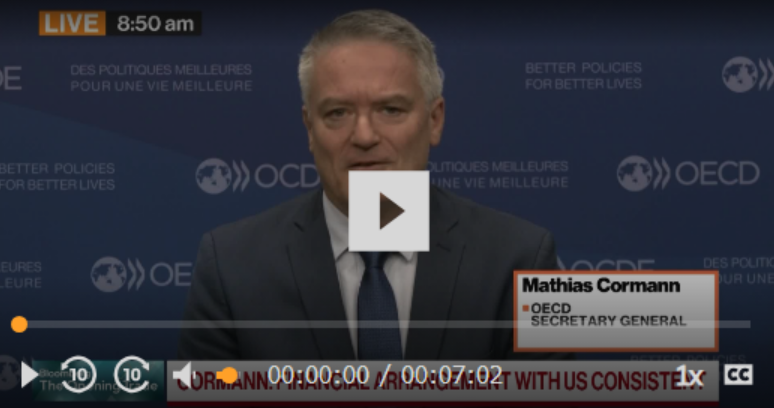 The surge in artificial intelligence investment that has buoyed world growth is set to continue and deliver longer-term gains, OECD Secretary General Mathias Cormann said. "We do expect that the level of investment in relation to AI will continue to increase for some time," Cormann said in an interview with Bloomberg Television. "Over the medium-to-long term we do expect a significant beneficial impact when it comes to productivity growth from the accelerating diffusion and adoption of AI across the economy." Chart of the Day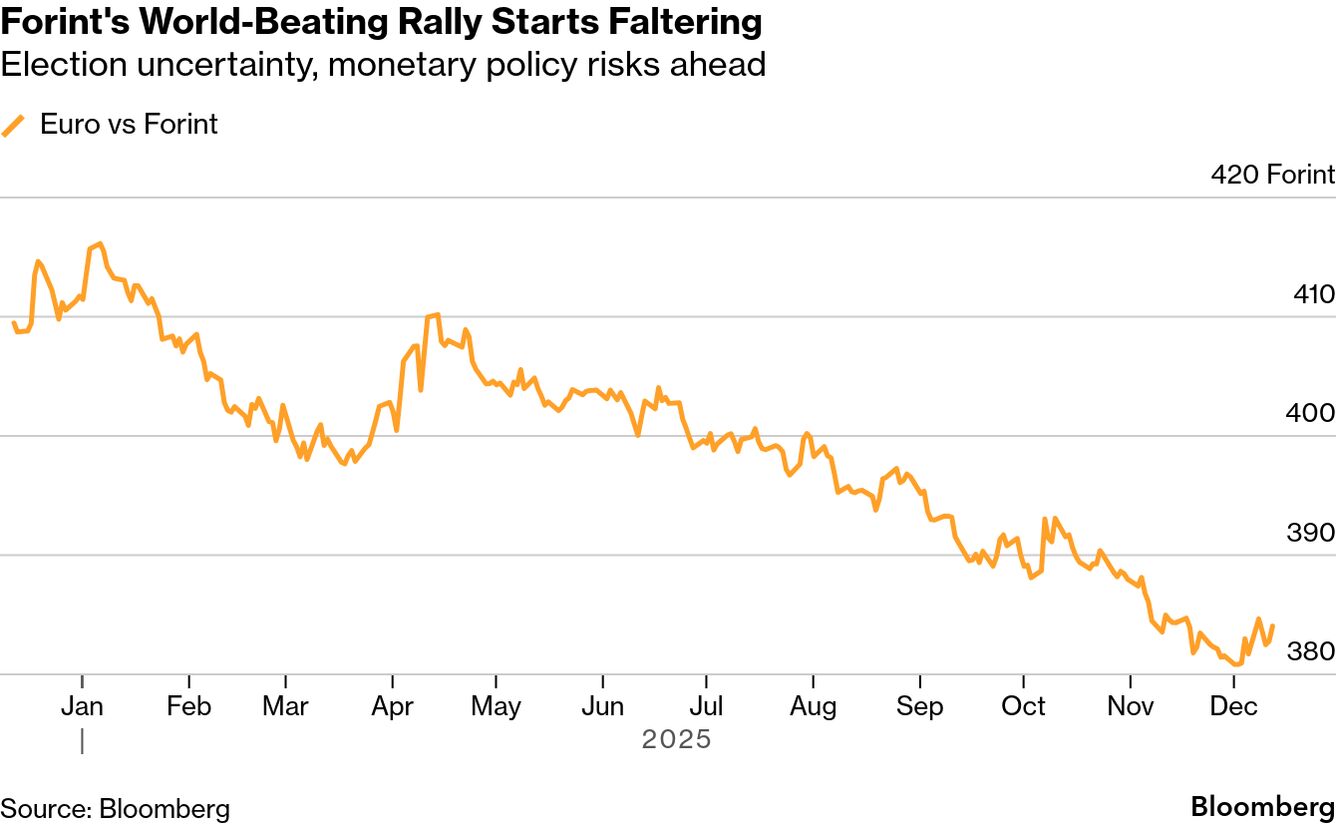 The standout developing-nation currency in the year of emerging markets — Hungary's forint — is looking increasingly vulnerable as 2026 nears. While the market is heavily positioned for a political shakeup and hawkish interest-rate policy has underpinned the forint's strength, both factors appear increasingly at risk. Coming up
Final ThoughtJared Kushner's private equity firm, Affinity Partners, dropped its plans for a hotel in Serbia, after tensions around the project culminated in the indictment of a government official who helped clear a path for its development. The decision caps months of controversy over Affinity's bid to construct a Trump-branded luxury hotel on the remains of a former government building in Belgrade. 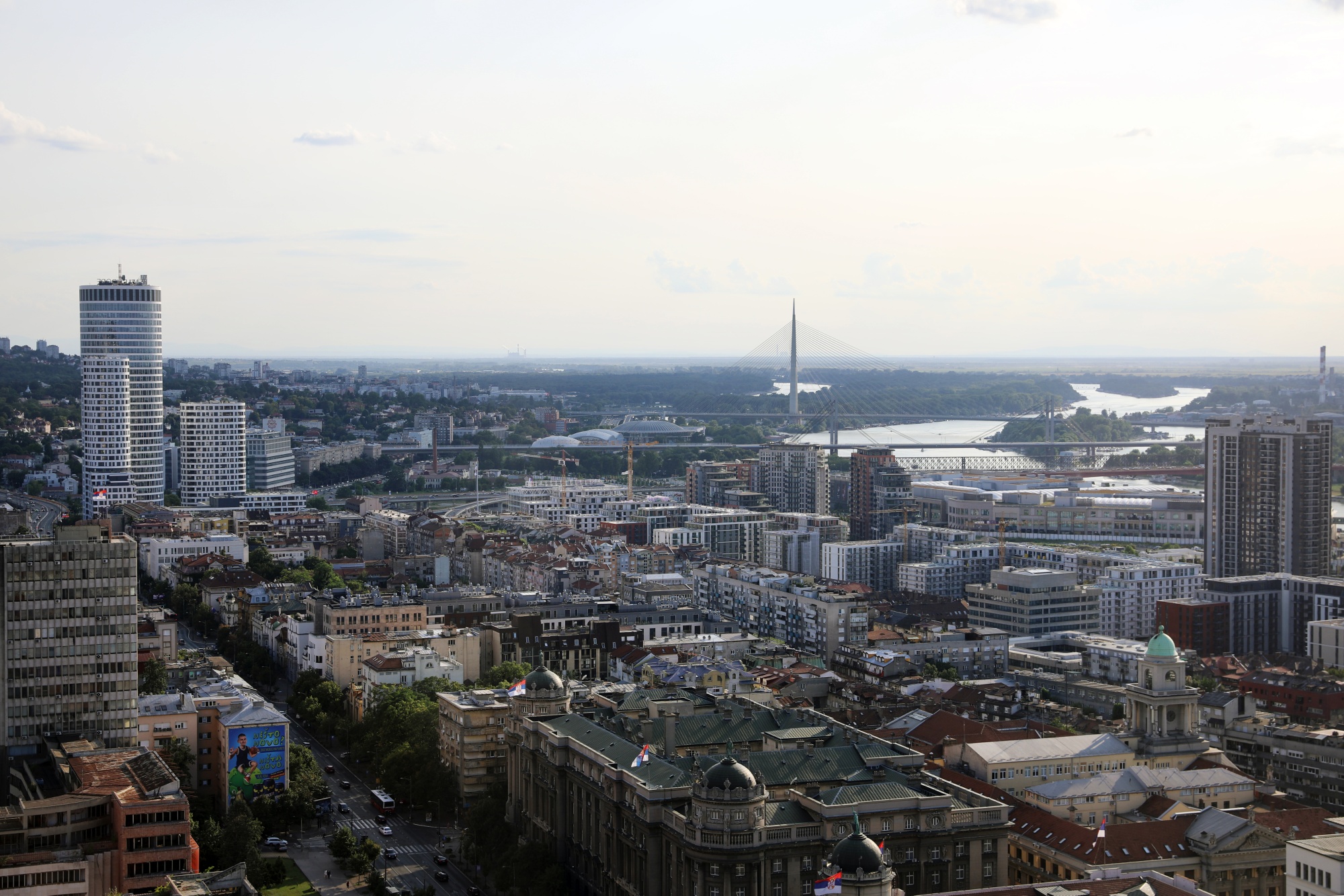 The former Yugoslavia Ministry of Defence building, that was hit by NATO missiles during the war over Kosovo in 1999, from bottom left, and the Ministry of Foreign Affairs building, in Belgrade, Serbia. Photographer: Svetlana Dojcinovic/Bloomberg Like the Brussels Edition?Don't keep it to yourself. Colleagues and friends can sign up here. We're improving your newsletter experience and we'd love your feedback. If something looks off, help us fine-tune your experience by reporting it here. Follow us
You received this message because you are subscribed to Bloomberg's Brussels Edition newsletter. If a friend forwarded you this message, sign up here to get it in your inbox.
|
Tuesday, December 16, 2025
Brussels Edition: EU pulls back from combustion ban





Subscribe to:
Post Comments (Atom)
Why Price Is Always Late
The move starts quietly—this is how it leaves clues. ...

-
PLUS: Dogecoin scores first official ETP ...
-
Hollywood is often political View in browser The Academy Awards ceremony is on Sunday night, and i...


No comments:
Post a Comment