| Welcome to Balance of Power, bringing you the latest in global politics. If you haven't yet, sign up here. As images of buildings burning and protesters clashing with police across Indonesia flashed online, the parallels with 1998 were inescapable. Back then, public rage and rioting helped topple Indonesia's dictator Suharto. President Prabowo Subianto still may not be faced with the kind of turmoil that deposed his predecessor and former father-in-law, but he is confronting his biggest test yet. 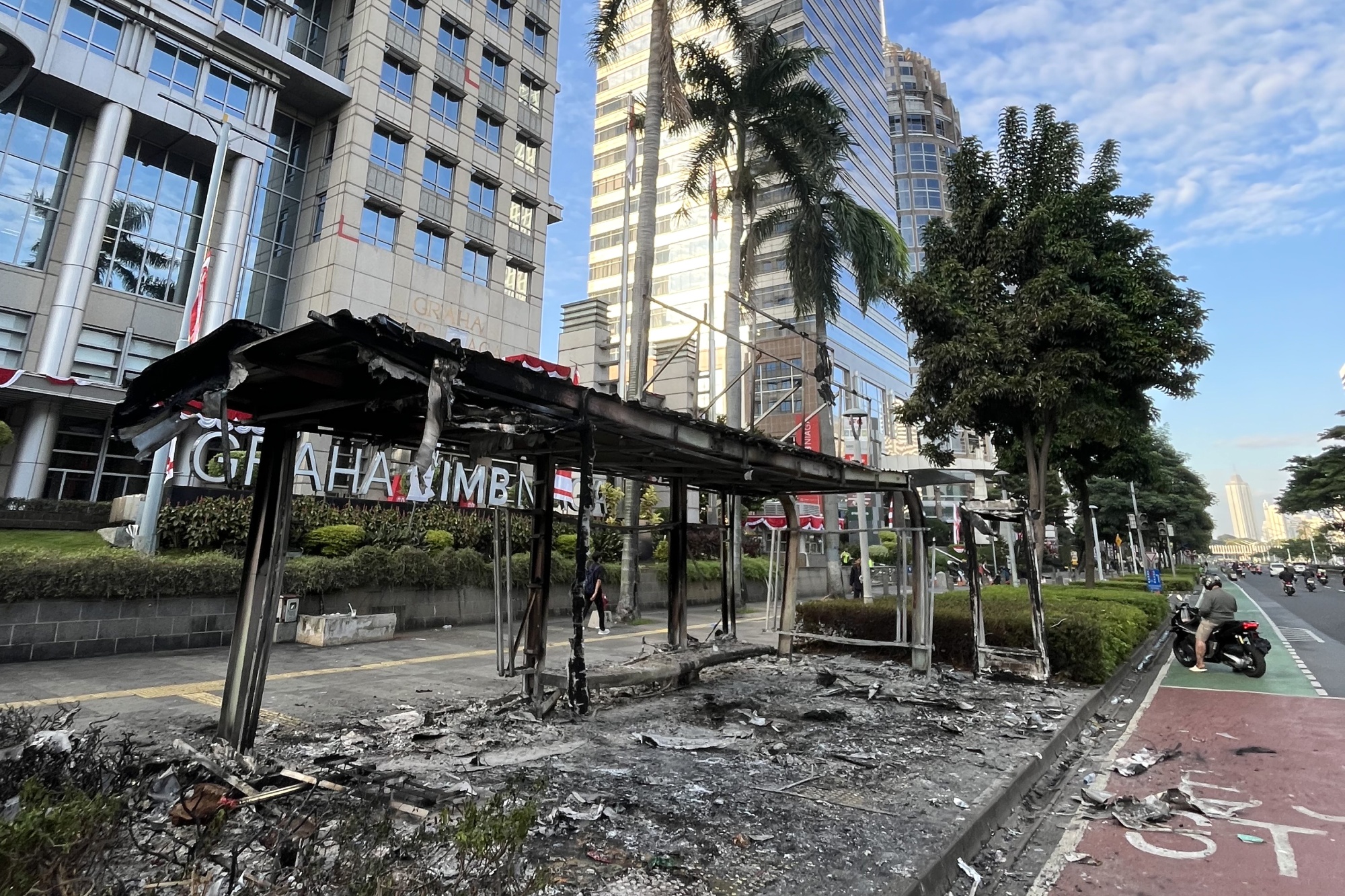 A bus stop in Jakarta's main business district last week. Photographer: Harry Suhartono/Bloomberg In truth, the comparisons to the infamous authoritarian emerged well before the violence surged last week, leaving at least six dead. Prabowo, a former general who won the presidency last year at his third attempt, has sought the reins of state power, and the country's natural resources, to pursue populist goals like free meals and health care. He's also pushed for a greater role for the military in civilian government and state projects, and redirected dividends from state-run enterprises to a sovereign wealth fund he controls. A relative calm has settled over the capital, Jakarta, with Prabowo and his ministers pledging to improve conditions for workers and curb government excess, while warning they intend to crack down on further unrest. He can also rely, for now, on investors not fleeing the country like they did in the late 1990s. That's thanks mainly to the continued support of his finance minister, Sri Mulyani Indrawati, who is seen as a safe pair of hands at the helm of the economy. 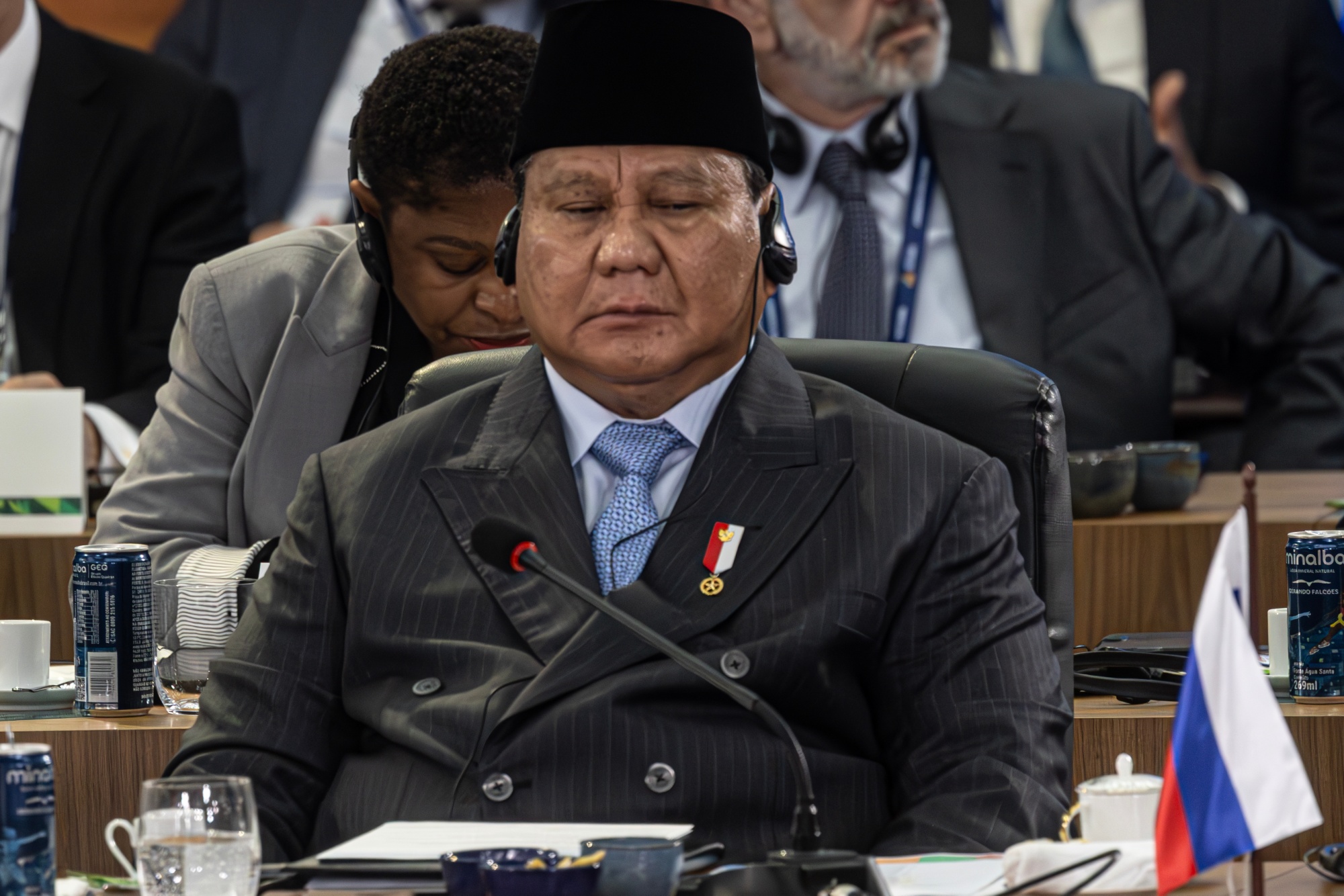 Prabowo Subianto. Photographer: Dado Galdieri/Bloomberg But there's also a sense that Indonesia's new strongman needs a solution to help fully douse the public anger, rooted in economic drift since the pandemic and exacerbated by US President Donald Trump's tariff wars as well as political missteps. Outrage over lawmaker housing allowances that are nearly 10 times the monthly minimum wage sparked the latest protests, coming on the back of tax hikes and mass layoffs that have disproportionately hit lower-income Indonesians. Even if the demonstrations subside, the anger will surely persist unless those grievances are addressed. — Ramsey Al-Rikabi 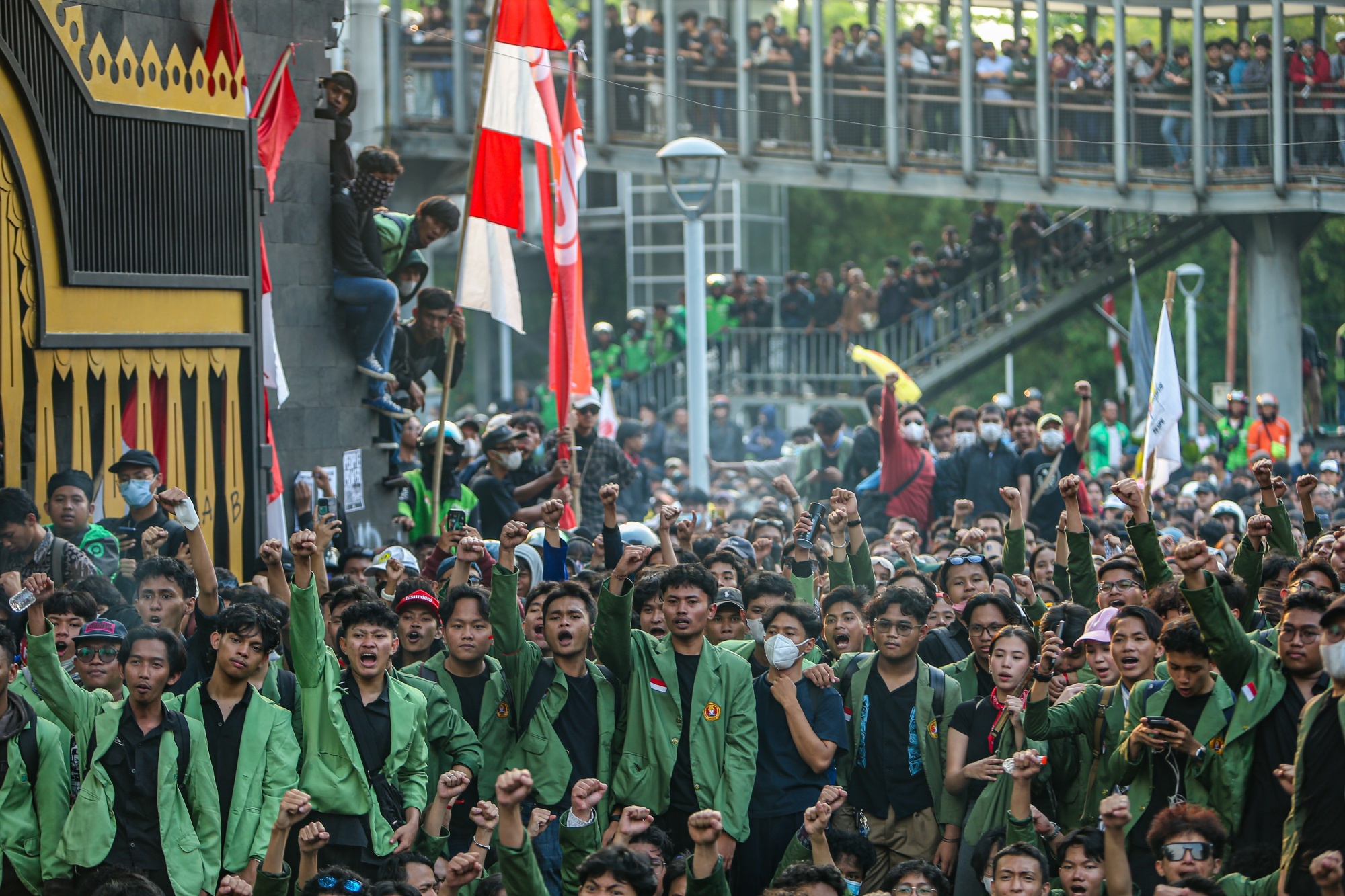 Demonstrators gather in front of a police building in Jakarta last week. Photographer: Claudio Pramana/NurPhoto/Getty Images | 








No comments:
Post a Comment