| In the whirlwind of tariff news, it can be hard to tell what the best ways are to protect and grow your personal savings. Should you go out and buy sneakers before prices go up? Hunker down in case a recession hits? Or maybe now is a good time to buy stocks in a bet everything will turn out all right. After the best day for US shares in 16 years, markets plunged again on Thursday as investors braced for a potentially protracted period of global trade hostility. President Donald Trump announced a surprise reprieve in tariffs late on Wednesday. But economists have been quick to warn that the US trade war is far from over. That's why this week I called four financial advisers to discuss what tips they have for readers right now. First and foremost, they said it's essential to have an emergency fund to weather a downturn. Only then should you consider spending any money — and it's important to remember that, whether it's buying stocks or a new car, you should ask yourself if you can afford to lose whatever you're putting in. Here's more on what they're advising clients. Check Your Tariff Vulnerability Should the president's trade war trigger a recession, like many CEOs are warning, you'll want to make sure you have enough cash to last at least three to six months in case your income stream suddenly gets cut. Given the way tariffs are poised to reshape the global economy, you might be more vulnerable to layoffs than you think — and now would be a good time to reduce unnecessary expenses. "Maybe you're reading headlines or hearing on analyst calls that say, 'X, Y, Z industry or company is thinking about how the tariffs might impact them,'" said Jeff DeLarme, president of DeLarme Wealth Management in Palos Verdes Estates, California. "You have to think: Am I going to be vulnerable?" Young families and retirees, who often live on "thin margins" without a lot of cash left over each month, should be extra careful about taking on big expenses right now, said Penny Di Giovanna, founder of Financial Planning by Design in Satellite Beach, Florida. There's a lot of uncertainty and a solid emergency fund can be the best way to buffer that. Know when to buy — and sell Now, let's say you have enough saved. Lots of consumers are stocking up on goods like iPhones and cars that may face price increases under a new tariff regime. Advisers say this can be savvy — if it's something you actually need now — but they have some caveats. If you have high-interest debts, you should prioritize those. Plus, DeLarme said in economic downturns, prices on certain goods can sometimes fall as sluggish demand encourages firms to reduce prices. That could give you buyer's remorse if you splurge on something that gets discounted later. Rather, a smart thing to do might be to sell, Di Giovanna said. High demand on some products may mean your used items fetch more than usual. The right way to buy the dip With the wild swings in market, some may also be tempted to change their investments or even buy more shares. Wealth experts say there are opportunities to be found in uncertain times, which is why Georgia Lord, head of financial planning at Corbett Road Wealth Management, says the latest round of market gyrations presents a "silver lining." Read more: What to Do With Your Money Right Now as Tariffs Reshape Markets "Drops in the market are a great opportunity, especially for younger people, because they have more time to recover," she said, echoing a point that every adviser I called made: Even though it may take a while, major stock indexes historically recover from dips. People with enough of a cash buffer and a long time horizon can benefit from what are effectively "discounts" on blue-chip stocks today. "If this is something where you're looking five, 10-plus plus years into the future, where this is money that you're looking to truly invest and it's not just speculation or day trading, then it can certainly make sense to buy now," said Dana Menard, founder and lead financial planner of Twin Cities Wealth Strategies in Minneapolis. Just remember — as all the advisers told me — you only invest money you can afford to lose. — Charlie Wells P.S. Send questions about your own financial dilemmas to bbgwealth@bloomberg.net. We may get expert answers for you, and feature your question and the answer in an upcoming newsletter. Fear engulfed Wall Street again as US-China trade tensions escalated Thursday, sparking a plunge in stocks, the dollar and oil while bond havens misfired anew in the latest sign of disorder in the financial system. A day after the biggest stock-buying wave in five years, assets tied to the economic cycle are sinking again. Traders are rushing to game out how the effective freezing of Chinese trade will impact corporate earnings, economic growth and new hiring. As of 1pm in New York, the S&P 500 was down about 5%. Treasury 30-year bonds pared losses after a solid $22 billion sale. The dollar sank toward the lowest since October. The biggest gainers and losers on the Bloomberg Billionaires Index over the past week: Todd Graves was the biggest gainer in dollar terms. Graves is the founder of Raising Cane's Chicken Fingers, a fast-food chain with more than 900 stores in the US and Middle East. He gained $3.5 billion, bringing his current worth up to $12.1 billion. His wealth surged after his restaurant chain boosted sales by more than a third last year. Bernard Arnault lost the most in dollar terms. Arnault is the chairman of LVMH Moet Hennessy Louis Vuitton, the world's largest maker of luxury goods. He lost $21.3 billion, taking his fortune down to $147.8 billion. Shares of LVMH tumbled on tariff concerns this week. A $12,800 Tariff Hit Has Some Homebuilders Eyeing Side Gigs  Lance Thomas Source: Lance Thomas Lance Thomas became a homebuilder in New Orleans in the aftermath of Hurricane Katrina in 2005. In the years that followed, he got used to economic disruptions — from Covid-19 to sky-high insurance premiums that are tanking housing demand in the area. Now he worries that tariffs on materials from Asia and Europe are about to drive up his costs on everything from kitchen cabinets to plumbing fixtures. If things get bad, he's already put a contingency plan in place to supplement his income: drive for Uber Black with his new Cadillac Escalade. Read the full story here. Amazon Seeks Partners for $15 Billion Warehouse Expansion Plan 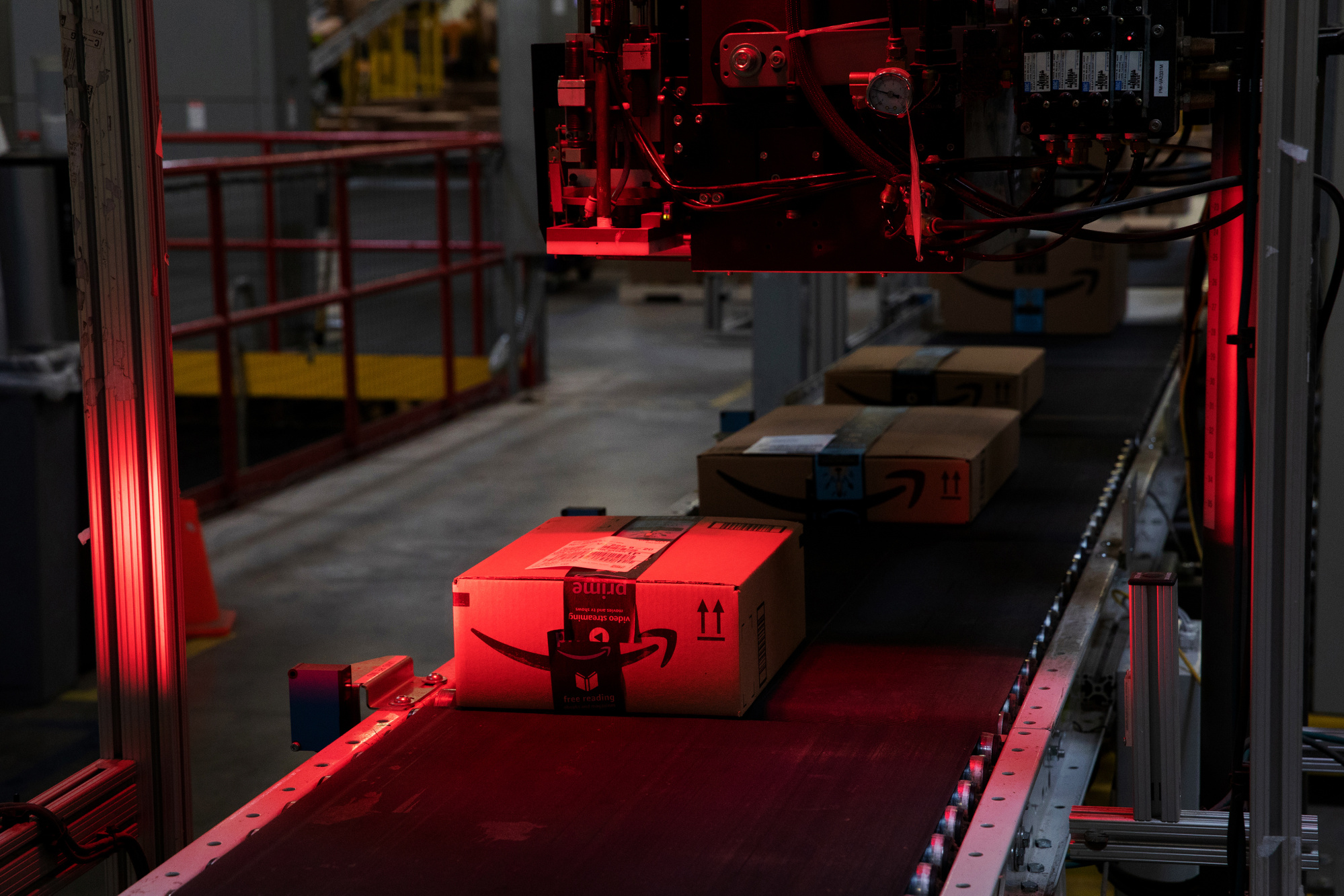 Photographer: Bess Adler/Bloomberg Amazon is considering a $15 billion warehouse expansion plan for nearly 80 new logistics facilities in US cities and rural areas that would reverse its post-pandemic construction slowdown, according to people familiar with the matter. The tech giant is asking potential capital partners to submit proposals, the people said, asking not to be identified citing private information. The properties are expected to be mostly delivery hubs, where vans and trucks are loaded for the final leg to shoppers' homes, but some projects would also include large, multi-story fulfillment centers packed with robots, the people said. Amazon's request for information from financing partners predated last week's tariff announcement from President Donald Trump that roiled global markets and spurred fears of a possible recession. Read the full story here. This week, we're looking to speak with people who are sending their children to college soon, but who have seen big losses in their 529 accounts. If this is you, we'd like to set up a time to speak. Some of our best journalism at Bloomberg Wealth comes from your own stories and we'd love to hear from you, your friends or clients. Please email bbgwealth@bloomberg.net if you'd like to get in touch. Like Bloomberg Wealth? Here are a few other newsletters we think you might enjoy: - Pursuits for a guide to the best in travel, eating, drinking, fashion, driving, and living well
- Working Capital for making sense of the evolving workplace
- Money Distilled for John Stepek's daily newsletter on what market moves mean for your money
- Economics Daily for what the changing landscape means for policymakers, investors and you
- CFO Briefing for what finance leaders need to know
Explore all newsletters at Bloomberg.com. | 










No comments:
Post a Comment