| By Kyle Stock "Drill, baby, drill" may be Texas's unofficial motto, but "store, baby, store" is becoming more accurate. The Lone Star State may be the heart of America's oil and gas map, but it's quickly becoming the biggest installer of a technology key for renewables development: battery storage. Last year, some 4 gigawatts of battery capacity — enough to power around 3 million homes — switched on in the state, besting the pace of similar projects in California for the first time. Before Donald Trump imposed 125% tariffs on key battery market China, Texas was set to add more than double the state's total storage capacity in 2025, according to a Bloomberg Green analysis of federal energy data. Big batteries are addressing some of the biggest issues facing the electric grid that now has the most renewable capacity in the nation. On the supply side, they can hold the glut of wind and solar power generated across the state. On the demand side, they are helping meet the surging needs of new residents and a growing number of electric vehicles and server stacks in data centers. "What we've done over the past couple years is really build a new industry that has proven it can execute at scale," said Randolph Mann, chief executive officer of esVolta LP, a battery startup that expects to flip the switch on at three new plants in Texas by July. "We're doing it in a way that's environmentally beneficial and we're able to execute that pretty quickly." The recently implemented tariffs on China are going to have a strong negative impact on the battery industry, though. Without tariffs, BNEF estimated that the cost of industrial storage was set to fall 13% to $204 per kilowatt-hour this year. Now, a turnkey system will cost $266 per kilowatt-hour, a 17% increase compared to last year. While Trump has said some nations including Vietnam are keen to negotiate over tariffs as they're on pause for 90 days, China has moved to retaliate and Trump has escalated. The differing reactions and uncertainty are set to be a drag on the industry where more than two-thirds of imported batteries come from China. Read the whole story, including how other policy decisions could throttle the industry. President Donald Trump signed an executive order aimed at relaxing rules that limit water flow for shower heads, targeting an issue he has long complained makes it harder for him to properly wash his hair. The order ends water conservation standards that restrict the number of gallons per minute that are allowed to flow through shower heads, according to people familiar with the matter, who detailed the action ahead of the signing. "In my case, I would like to take a nice shower to take care of my beautiful hair. For 15 minutes until it gets wet. Drip, drip, drip. Ridiculous," Trump said Wednesday in the Oval Office as he signed the directive. "What you do is you end up washing your hands five times longer, so it's the same water. And we're going to open it up so that people can live." 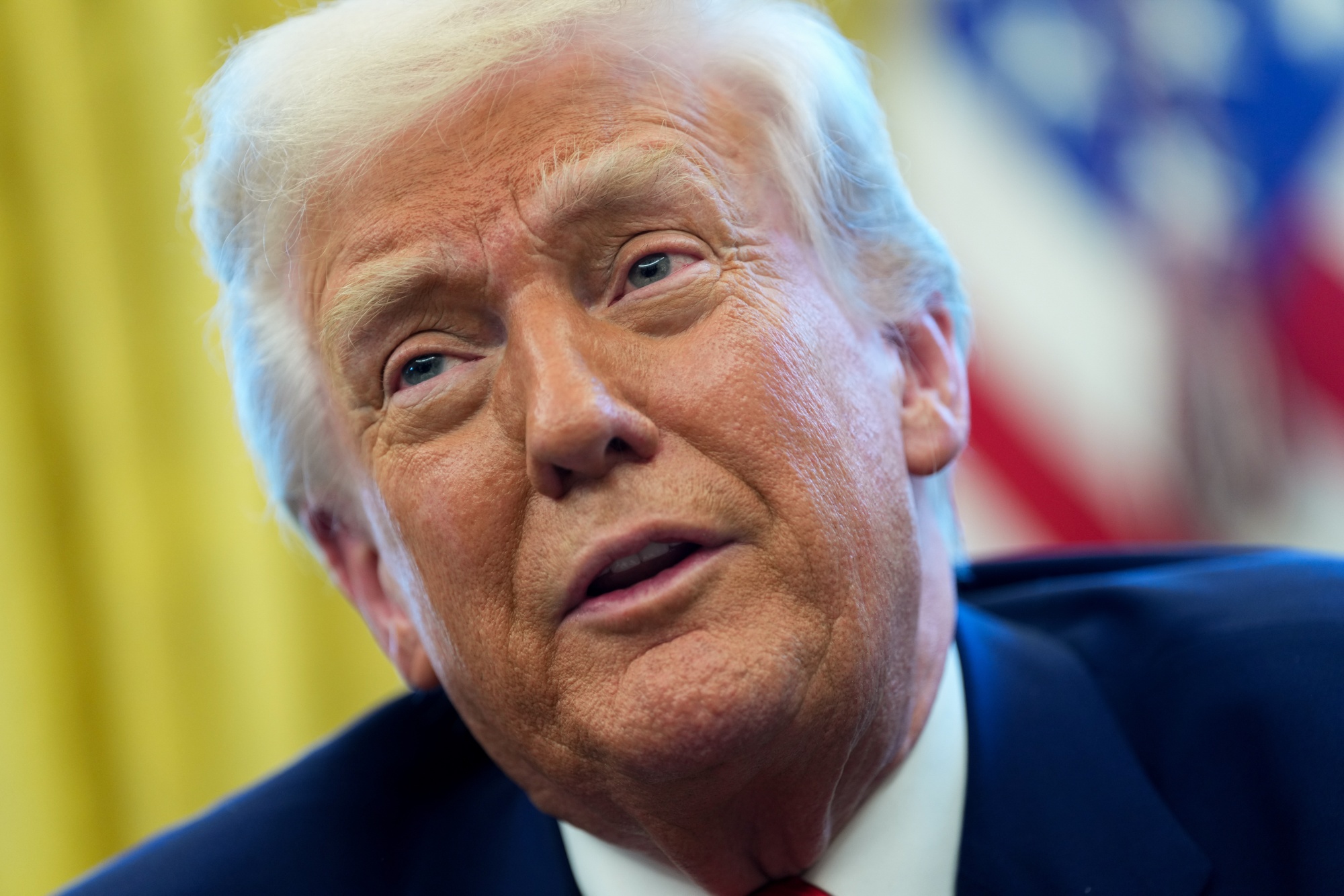 US President Donald Trump speaks in the Oval Office. Photographer: Chris Kleponis/CNP In other Trump news, the dirtiest coal plants are exempt from clean air rules. Talen Energy Corp.'s Colstrip in Montana is among 47 plants receiving two-year waivers from rules to control mercury and other pollutants. | 









No comments:
Post a Comment