| Thanks for reading Hyperdrive, Bloomberg's newsletter on the future of the auto world. Read today's featured story in full online here. Tariffs Take a Toll on Ontario | The Stellantis assembly plant in Windsor, Ontario, rises like an industrial temple on the city's outskirts. On a typical day, smoke drifts from its sprawling labyrinth of pipes as workers assemble Chrysler Pacifica minivans and Dodge Chargers. But the building has been eerily quiet since its doors shut last week. The temporary closure followed US President Donald Trump's imposition of 25% tariffs on imported vehicles. It is Canada's largest such plant to shutter since the trade war began, and already a ripple effect is spreading across the city at the heart of the country's auto industry. As Trump slaps tariffs on dozens of trading partners around the globe, other cities face the same disruption. Trump's desire to bring manufacturing back to the US poses an existential threat to Canada's car sector — and communities like Windsor. The Stellantis plant, built in 1928, is the city's largest employer, with more than 4,500 unionized workers. Its future now hinges on the outcome of an unpredictable trade feud that can change by the day. 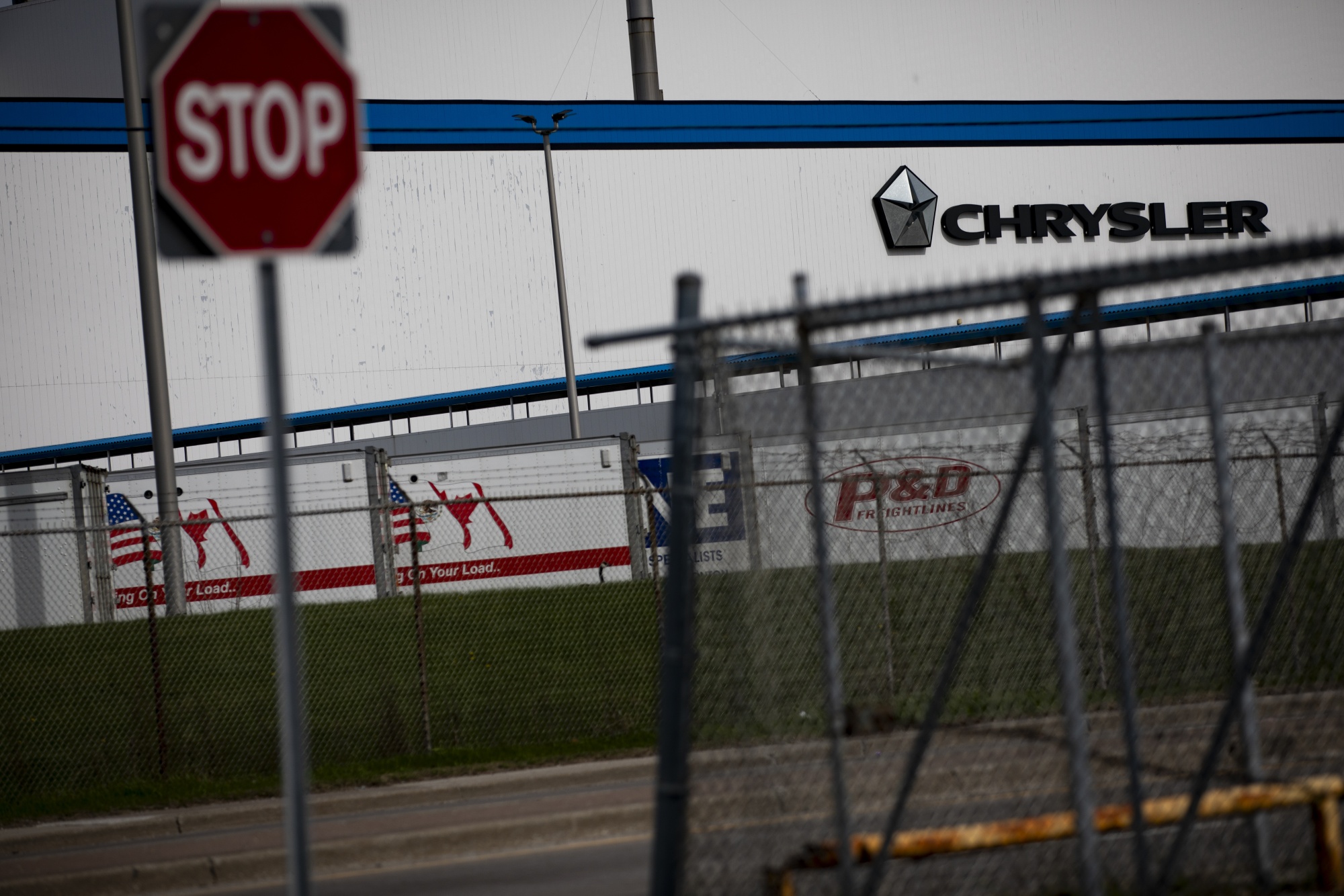 The Stellantis assembly plant in Windsor, Ontario, temporary idled on April 7. Photographer: Emily Elconin/Bloomberg The facility is expected to reopen Monday for at least two weeks. In a statement to Bloomberg, Stellantis declined to discuss its future production plans at the plant, saying the company would continue to work with Trump's administration and assess the effects of the tariffs. "The uncertainty of this is a killer," said Windsor Mayor Drew Dilkens. "The overall fear is that we see widespread closures, because people aren't buying these vehicles. And that cascades through the system — through the automakers, down to the parts makers, and all the way down to workers at Tim Hortons, where there won't be as many employees pouring coffee." Trump said Monday he's considering possible temporary exemptions to tariffs on imported vehicles and parts to give auto companies more time to set up US manufacturing. Canada has retaliated with tariffs of its own, imposing counter-levies of as much as 25% on US-made vehicles. But on Tuesday, Ottawa allowed for some exemptions for US automakers that continue building cars in Canada. Read More: Canada Scraps Tariffs for Carmakers That Keep Plants Going On an overcast Monday, Stellantis workers trickled in and out of a union hall near the shuttered plant to meet with labor representatives. Assembly workers have largely relied on unemployment benefits offered through their union since the layoffs took hold. Austin Welzel, 27, said he was planning to buy a home with his girlfriend before the plant's closure, but has since postponed any major purchase. "We just don't have the income right now to make that kind of investment, with the plant down," said Welzel, seated in an auditorium with a banner reading "Manufacturing Jobs Matter." The union hall was built in the late 1960s, not long after the US and Canada reached an agreement that effectively birthed free trade across borders for North America's auto sector. 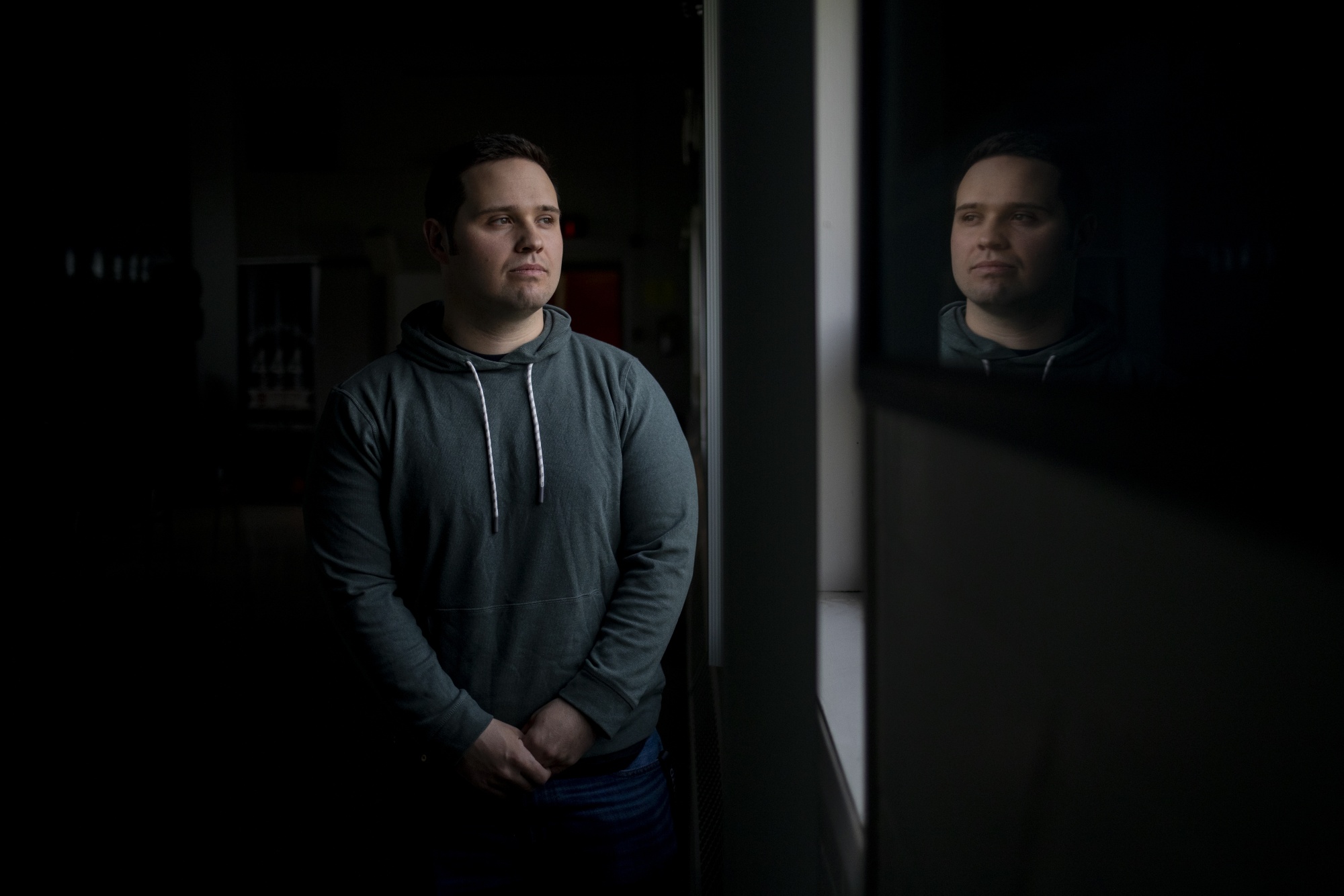 Austin Welzel. Photographer: Emily Elconin/Bloomberg More than 6,000 unionized auto workers in Canada have been temporarily laid off since Trump's tariffs took effect on April 3 — many of them in Windsor. The closure of the Stellantis plant also forced nearby parts makers to curtail operations while their biggest customer sits idle. That's led to layoffs of about 2,500 unionized workers at parts suppliers so far, said Emile Nabbout, head of a union local that represents nearly two dozen suppliers around Windsor. "We have lots of facilities directly impacted by this shutdown, or trying to figure out how they're impacted," said Nabbout, president of Unifor Local 195. "Everybody's scrambling." Windsor, sometimes known as Canada's "suburb of Detroit," has been a hub of the country's auto industry since the 1920s, when Henry Ford outsourced manufacturing of the Ford Model T to factories on the Ontario side of the Detroit River. About a quarter of the city's population is still employed in the sector, with thousands more workers in offshoot industries. 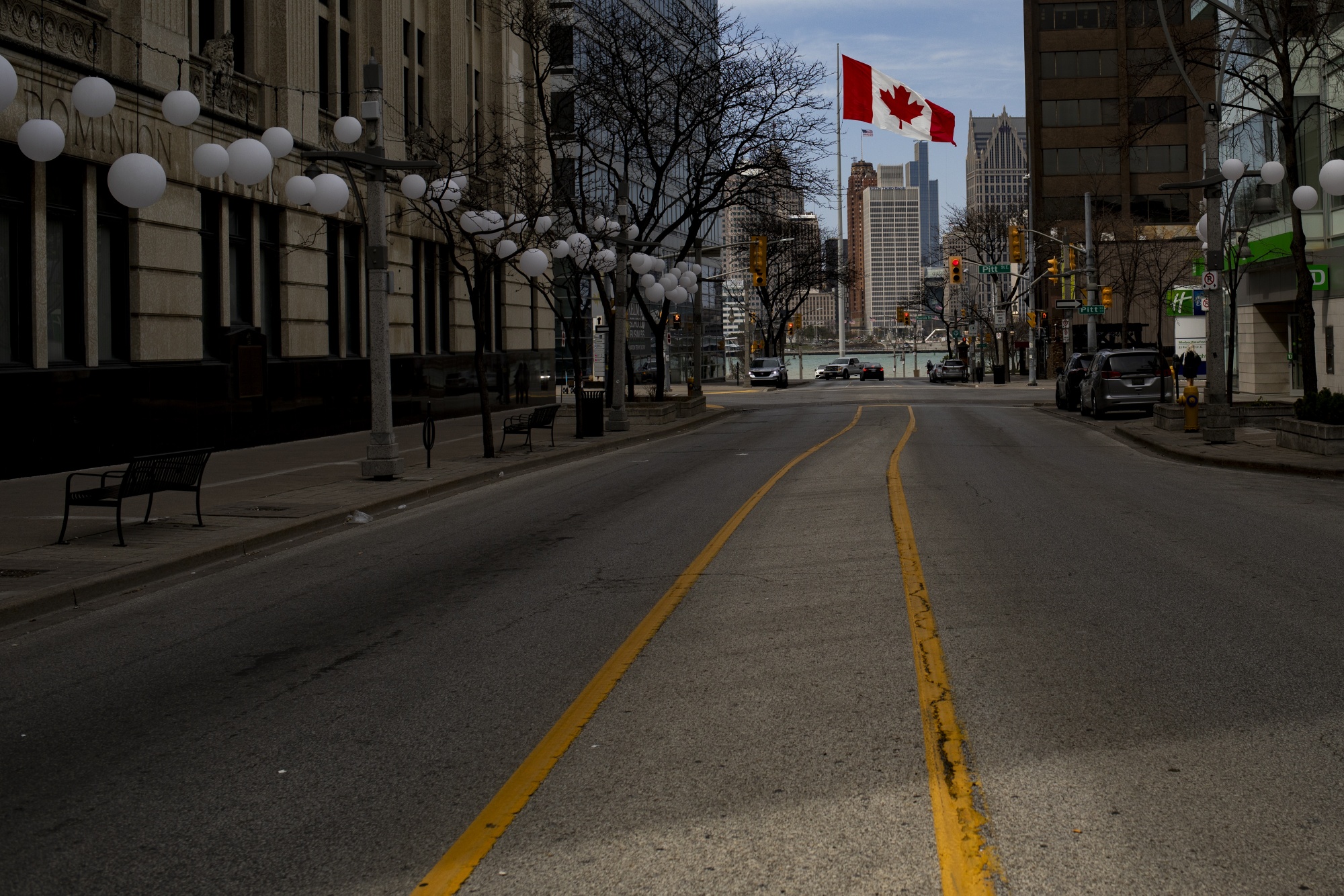 The Detroit skyline visible from downtown Windsor. Photographer: Emily Elconin/Bloomberg The businesses here rely almost exclusively on their proximity to Detroit, which is connected to Windsor by the Ambassador Bridge — the border's busiest crossing for truck traffic. Auto parts and vehicles traverse the span up to eight times before becoming a finished product, according to the Toronto Region Board of Trade, making 25% tariffs prohibitively expensive. Homes and storefronts across the city now display signs lamenting the trade war and defending Canadian sovereignty, following Trump's repeated comments about making the country the 51st US state. Slogans like "Canada Is Not For Sale" are visible across the downtown, which looks directly onto the Detroit skyline. It's an uncomfortable stance for a community so intertwined with its neighbor. Many Windsorites have friends and family on the other side of the border. They cheer for Detroit's major sports teams and routinely drive into the US city to buy items not available in Canadian stores. "I'm a Detroit fan through and through, but I'm just not going over there right now," said Caitlynn Drake, a worker at the Stellantis plant. "And it's really too bad. One of my best friends lives right across the river."  Caitlynn Drake. Photographer: Emily Elconin/Bloomberg Drake helps assemble frames for minivans and Dodge Chargers and is now relying on unemployment benefits through the union. She experienced similar shutdowns during the Covid-19 pandemic, which forced carmakers to briefly close operations and scale back shifts. "I've ridden this roller coaster before," she said. "But this feels different. It feels like a direct attack on us — not just on our industry, but on our country as a whole." Through the decades, Windsor has been the site of some of the Canada's most raucous worker strife: violent protests that blockaded auto plants in the mid-twentieth century; fatal shootings connected to labor politics in the '70s. Many of the Stellantis plant's workers have grandparents who worked on the assembly line, building Dodge Caravans and Plymouth Voyagers that fed booming North American demand. Unifor, which represents workers at the factory, said Friday that the facility will reopen for at least two weeks beginning in late April, but that the company "has made no decisions beyond that as of yet." Typically on the frontlines of economic upheaval, workers are adjusting to the uncertainty that comes with life in the auto trade, said Derek Dungle, an assembly worker at Stellantis. "We're taking things two weeks at a time," he said. — By Jacob Lorinc  Xi Jinping. Photographer: Athit Perawongmetha/Pool/AFP/Getty Images China wants to see a number of steps from President Donald Trump's administration before it will agree to trade talks, including showing more respect by reining in disparaging remarks by members of his cabinet, according to a person familiar with the Chinese government's thinking. Other conditions include a more consistent US position and a willingness to address China's concerns around American sanctions and Taiwan. 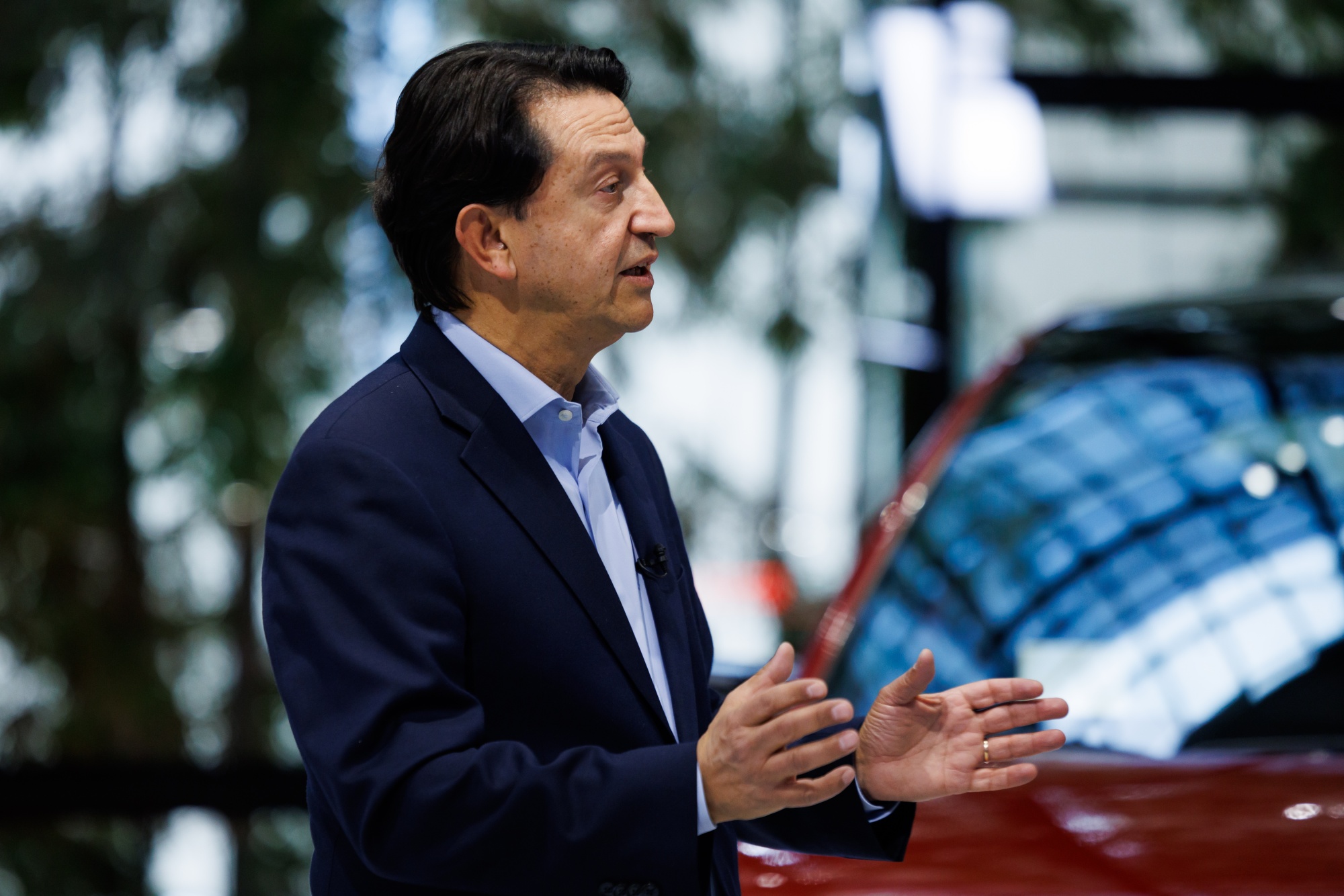 Hyundai CEO José Muñoz. Photographer: SeongJoon Cho/Bloomberg Hyundai's top executive expects car prices to remain relatively steady over the coming months despite added costs from the escalating global trade war, as automakers try to maintain stability and keep customers coming to dealer lots. "I don't expect to see a huge increase overnight," CEO José Muñoz said in an interview at Bloomberg's New York office. "The market will decide." The comments offered a counter to the widespread concern among car buyers and industry observers about a possible surge in auto prices later this year from US President Donald Trump's tariffs. A report this month by research firm Anderson Economic Group estimated that the levies could add $2,500 in new costs per vehicle at the lower end of the market, to as much as $20,000 for luxury imports. Watch: Hyundai's Muñoz speaks with Bloomberg Television. | 







No comments:
Post a Comment