| Welcome to Next Africa, a twice-weekly newsletter on where the continent stands now — and where it's headed. Sign up here to have it delivered to your email. In a remote corner of eastern Zambia, electricity is transforming lives. Where the rising and setting of the sun once regulated the daily routine, children now study in the evening, small businesses have sprung up and, at night, villagers can watch football or go to the local disco. 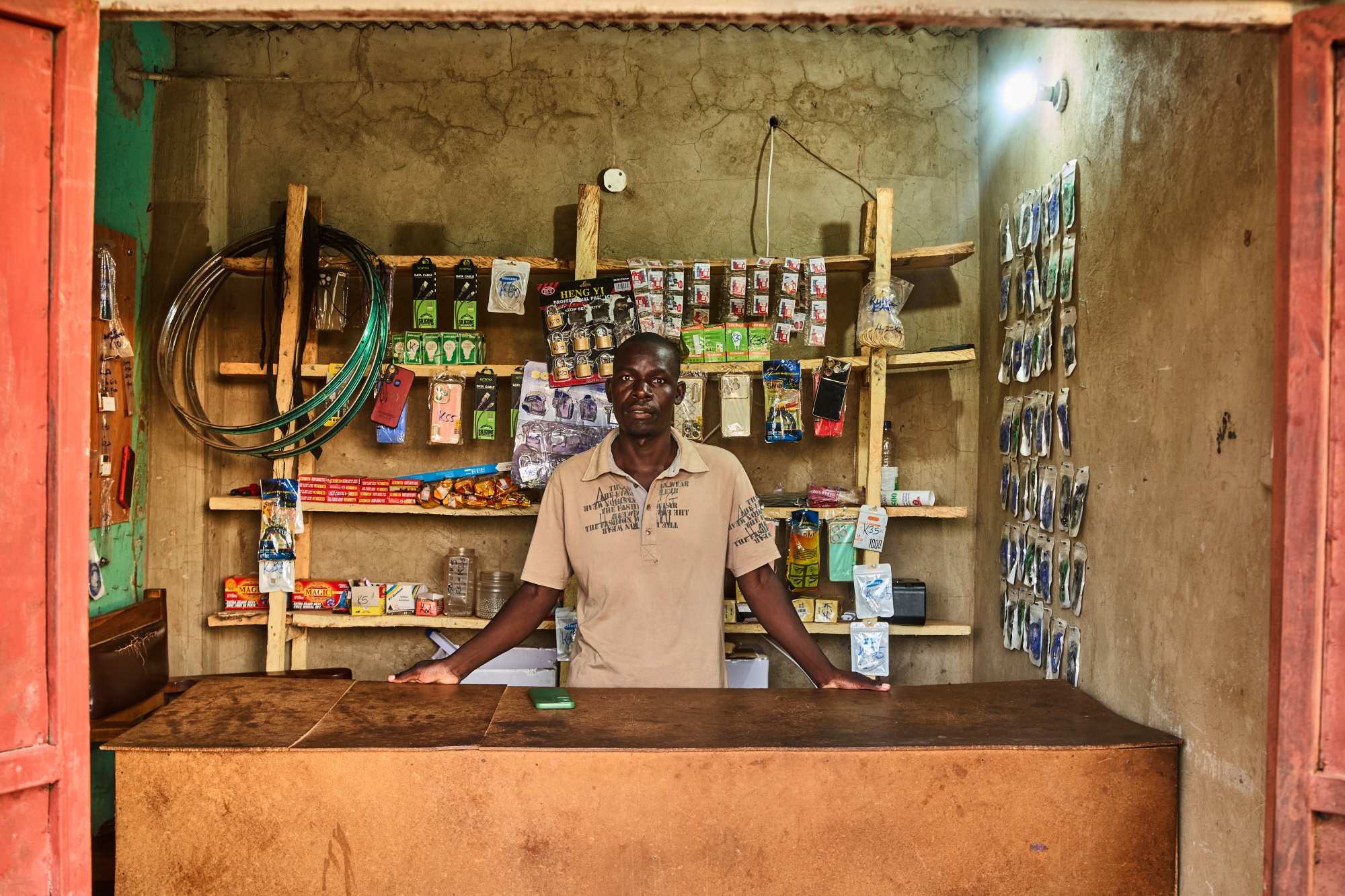 A shopkeeper in Chitandika village, Zambia, last month. Photographer: Zinyange Auntony/Bloomberg Plunging solar-panel prices, business-friendly regulations and the pledge of tens of billions of dollars of development finance are beginning to bring electricity to the almost 600 million Africans who have no access to the energy that, in much of the rest of the world, drives economic growth. It's a bright spot where, all around, projects backed by foreign aid are floundering as US President Donald Trump guts funding. The roll-out of off-grid solutions — including the mini-grids that bring power to small communities — is gathering steam from Nigeria to Madagascar. It could soon be turbo-charged by a World Bank and African Development Bank plan to disburse and attract as much as $85 billion into the electrification drive by 2030. 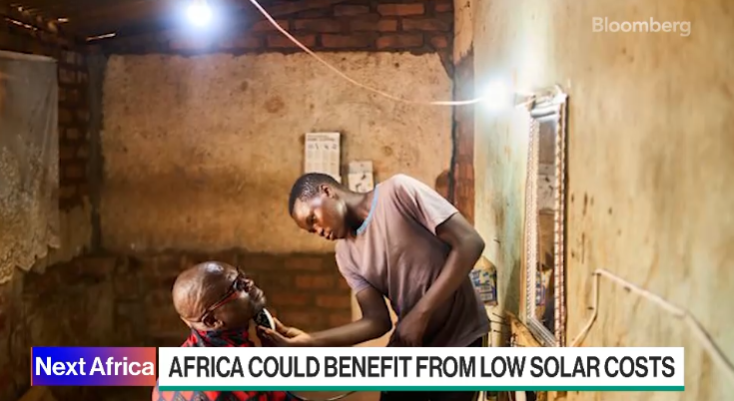 WATCH: Yariv Cohen, co-founder and CEO of Ignite Energy Access, speaks to Jennifer Zabasajja about the power initiative. The idea is to have countries enact the reforms and pass legislation needed to induce the private sector into providing electricity for Africa's poorest people, with the expectation that the resultant economic activity will enable them to pay for it. It's a promising development at a time when African politicians are working out how to balance their budgets after Trump cut the US support budget that some countries rely on for healthcare and other services. If successful, the project may well show that there are better, more sustainable, options than fickle aid flows. — Antony Sguazzin and Taonga Mitimingi Key stories and opinion:
The Mission to Electrify Africa Might Finally Be Under Way
World Bank's Power Drive Wins Backing From 27 African Nations
US Stalls $2.6 Billion Climate Finance Package for South Africa
Blindsided by Trump, Vaccine Chief Fights to Reverse Funding Cut
USAID Protects Americans and Saves Money: James Stavridis  Bloomberg reporter Tiwa Adebayo joins Jennifer Zabasajja for this week's podcast to explain how Polo became such a part of corporate culture in Nigeria, and how much business is taking place on the polo field rather than in the board room. Sudan's army recaptured the national capital from the Rapid Support Forces militia, a turning point in a two-year civil war that's drawn in outside powers and torn apart the resource-rich North African country. It's a major blow for the RSF, which seized control of swathes of Khartoum and the rest of the nation after the eruption in April 2023 of a conflict that may have killed as many as 150,000 people and displaced millions. Meanwhile, the United Nations called for all parties in neighboring South Sudan to recommit to a peace accord after security forces stormed the residence of the nation's Vice President — and former rebel leader — Riek Machar. 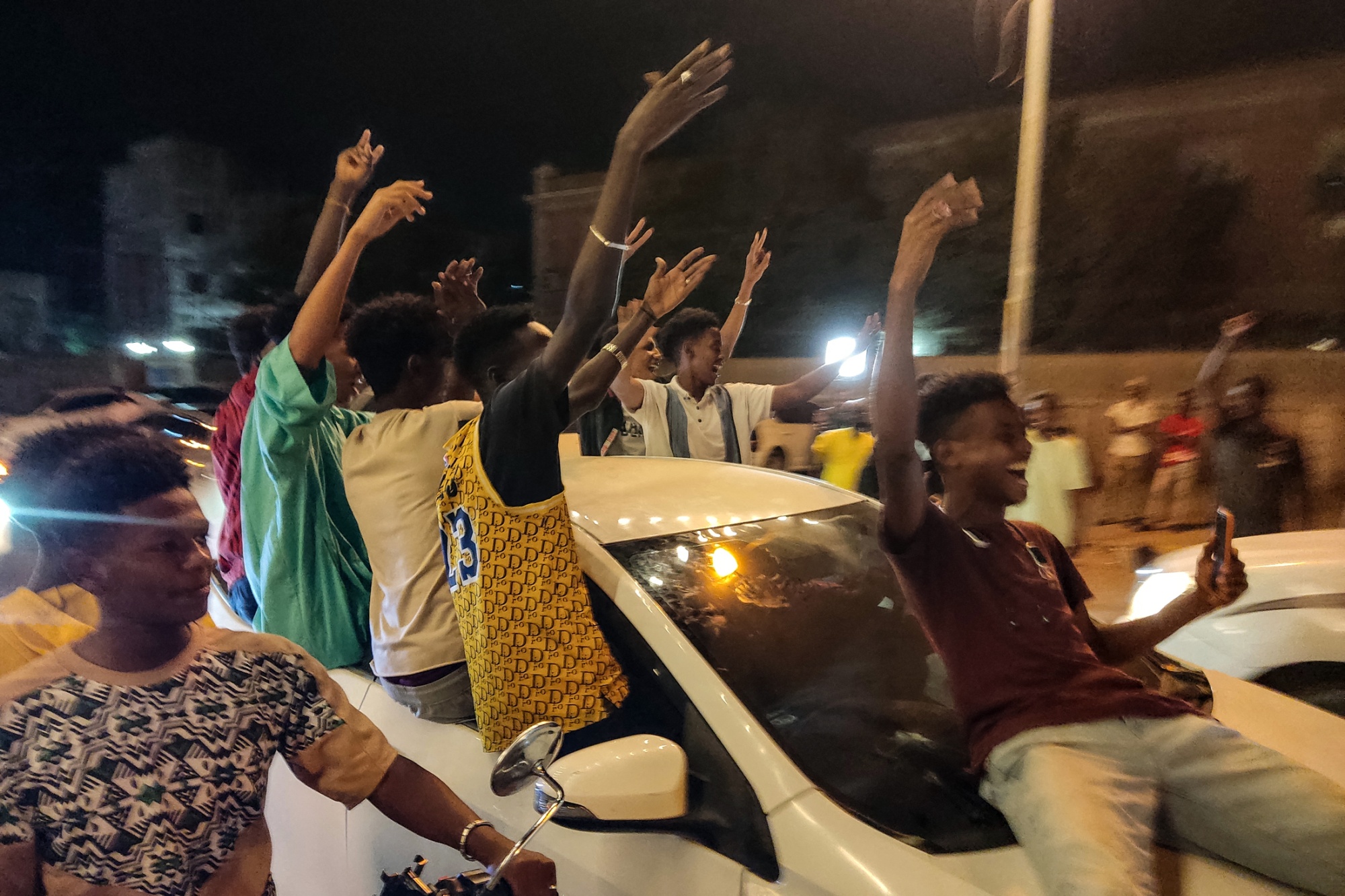 People in Port Sudan celebrate the army's recapturing of Khartoum, Sudan, on March 26. Photographer: Ebrahim Hamid/Getty Images A company founded by Zimbabwean telecoms billionaire Strive Masiyiwa has tapped Nvidia to build Africa's first artificial-intelligence factory. Cassava Technologies will deploy the AI giant's advanced computing and software at its data centers in South Africa by June, and then at its other facilities in Egypt, Kenya, Morocco and Nigeria. Several firms including Microsoft and G42, the United Arab Emirates' top AI firm, expressed interest last year to build a geothermal-powered data center in Kenya as part of a multi-year plan to boost capacity in East Africa. South Africa is scrambling to reset relations with the US that have soured under Trump. Pretoria is preparing a bilateral trade pact as a backstop in case it loses access to a preferential accord, and is shoring up its diplomatic presence in Washington following the expulsion of its ambassador. A business delegation will visit New York for talks with some of the 600 American firms operating in South Africa. Among people being considered for the open ambassador role are Deputy Justice Minister Andries Nel and former Tourism Minister Marthinus van Schalkwyk, sources say. Trump has nominated Leo Brent Bozell III, a conservative activist and writer, to be the US envoy to South Africa. 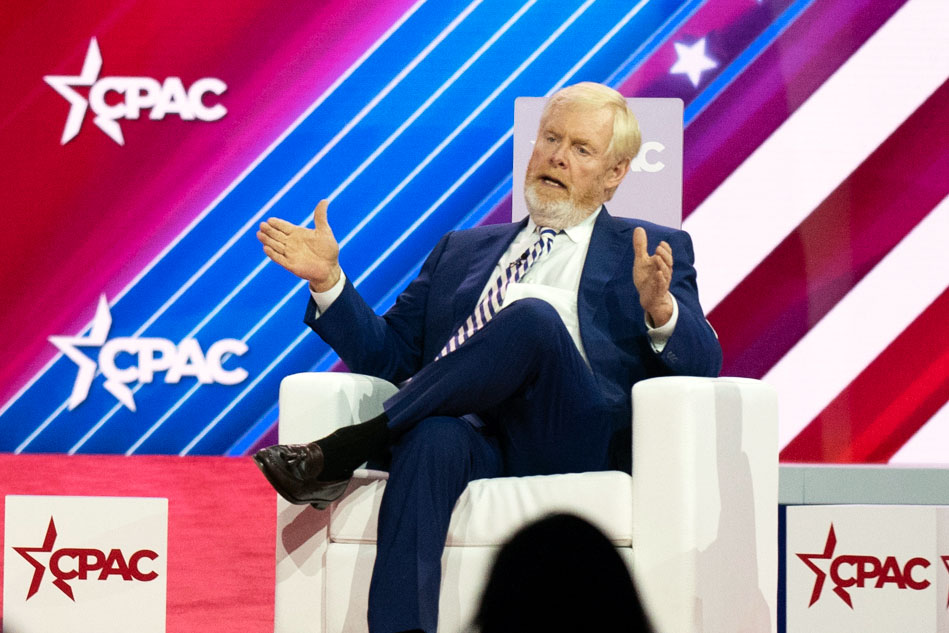 Leo Brent Bozell III. Photographer: Zach D Roberts/AP Photo Rising discrimination against LGBTQ people is costing East African economies as much as $5 billion a year, a new study found. Kenya, Rwanda, Tanzania and Uganda are already spending as much as $3.1 billion on health care due to the marginalization of this group of people, and using additional funds to police their activities, according to Open for Business. Uganda has paid the highest price for its stance after it approved legislation that prescribes the death sentence for some offenses in 2023. Mauritius is planning incentives to attract wealthy investors and channel more foreign capital into its financial-services sector to bolster economic growth and stabilize public finances. High-net-worth individuals seeking to take advantage of the nation's lack of capital gains and inheritance taxes have fueled a luxury-property boom on the island best known for its long stretches of white-sand beaches, blue lagoons and coral reefs. In South Africa, Dolce & Gabbana, Louis Vuitton and Gucci are set to anchor a new luxury-retail development in Cape Town's V&A Waterfront that's tripling the size of space available to retailers. 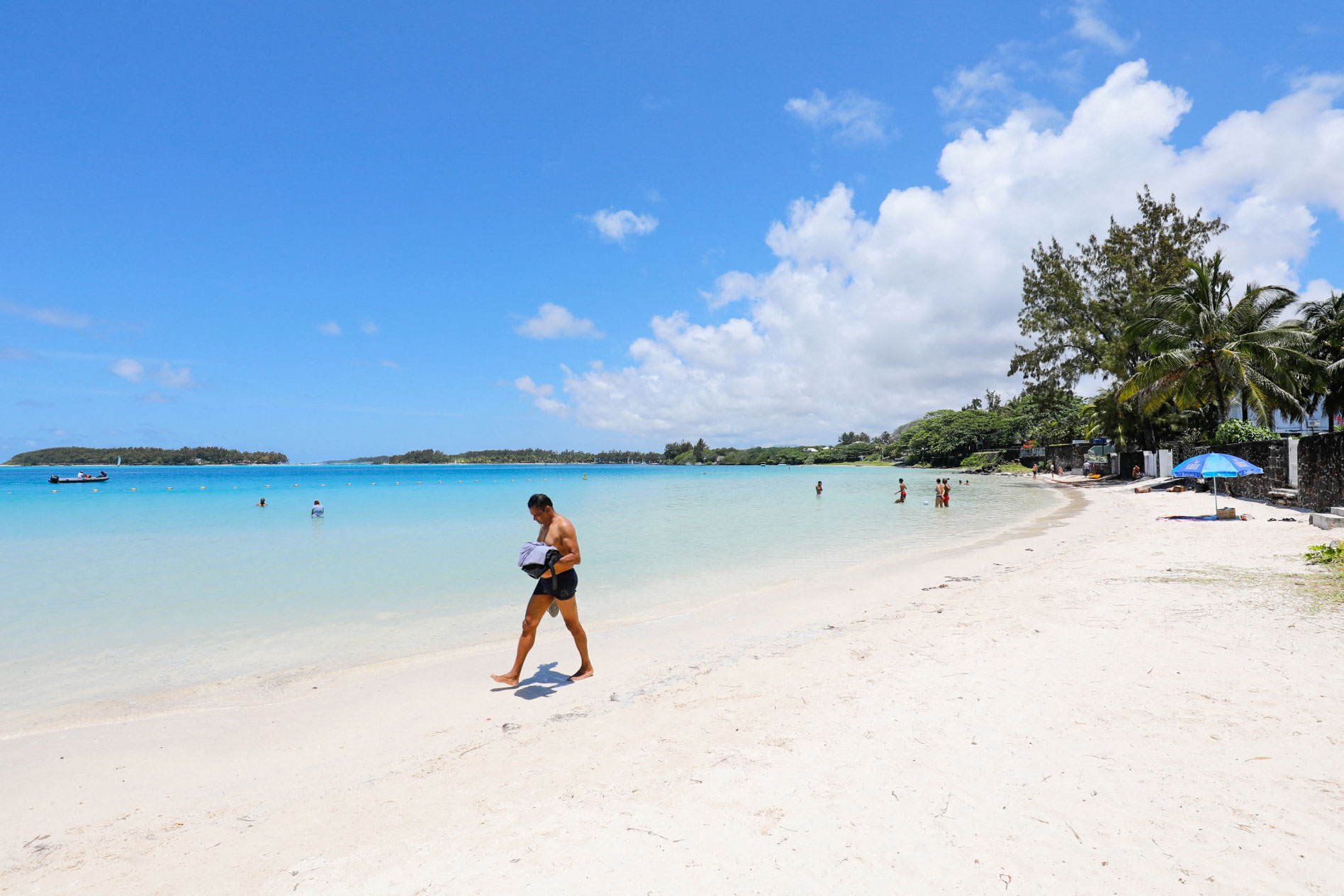 Tourists on a beach in Mauritius. Photographer: Laura Morosoli/Getty Images Indonesia is betting on tiny bugs from Africa to help boost its palm-oil production, as the broader sector grapples with tightening supply. The world's top grower is planning to introduce around 1 million of the weevils at some plantations this year to improve pollination and fruit development. Three species collected from Tanzania are expected to arrive at a facility in North Sumatra in April for a series of tests before they are released. Next Africa Quiz — Which African nation's prime minister invited residents to submit nominations for a regional president by email? Send your answers to gbell16@bloomberg.net. Data Watch - South Africa has a $3 billion plan to reverse the decline in services and infrastructure in eight of its biggest cities. It will use a $1 billion loan from the World Bank, coupled with $2 billion of government money, to finance grants.
- Kenya will have to keep borrowing to fund its budget, dumping plans for a balanced budget by 2027. It predicts a fiscal deficit of about 3% of gross domestic product in 2028.
- Zambia's economy expanded 4% last year, more than expected, while annual inflation slowed for the first time since June 2023, to 16.5% in March.
- Morocco is selling its first euro-denominated bonds in five years, to bring in €2 billion, as it boosts spending for the football World Cup it's co-hosting in 2030.
- Nigeria's state oil company is courting international and local markets for advisers as it prepares for a long-delayed initial public offering.
Coming Up - March 31 South Africa money supply & trade data for February, Namibia money supply for February
- April 1 Nigeria PMI, South Africa manufacturing PMI & new-vehicle sales for March & preliminary year-end tax data
- April 3 Country PMI reports for Uganda, South Africa, Mozambique, Zambia and Egypt, Uganda current account for the fourth quarter
- April 4 Tanzania interest-rate decision, Kenya and Ghana PMI
| 







No comments:
Post a Comment