Monday, December 2, 2024

Nations fail to agree plastic curbs

Why the deal was thwarted |

Today's newsletter looks at the latest setback in tackling the global plastic pollution crisis. You can also read and share the full story on Bloomberg.com. For unlimited access to climate and energy news, please subscribe.

Wasted opportunity 

By Aaron Clark

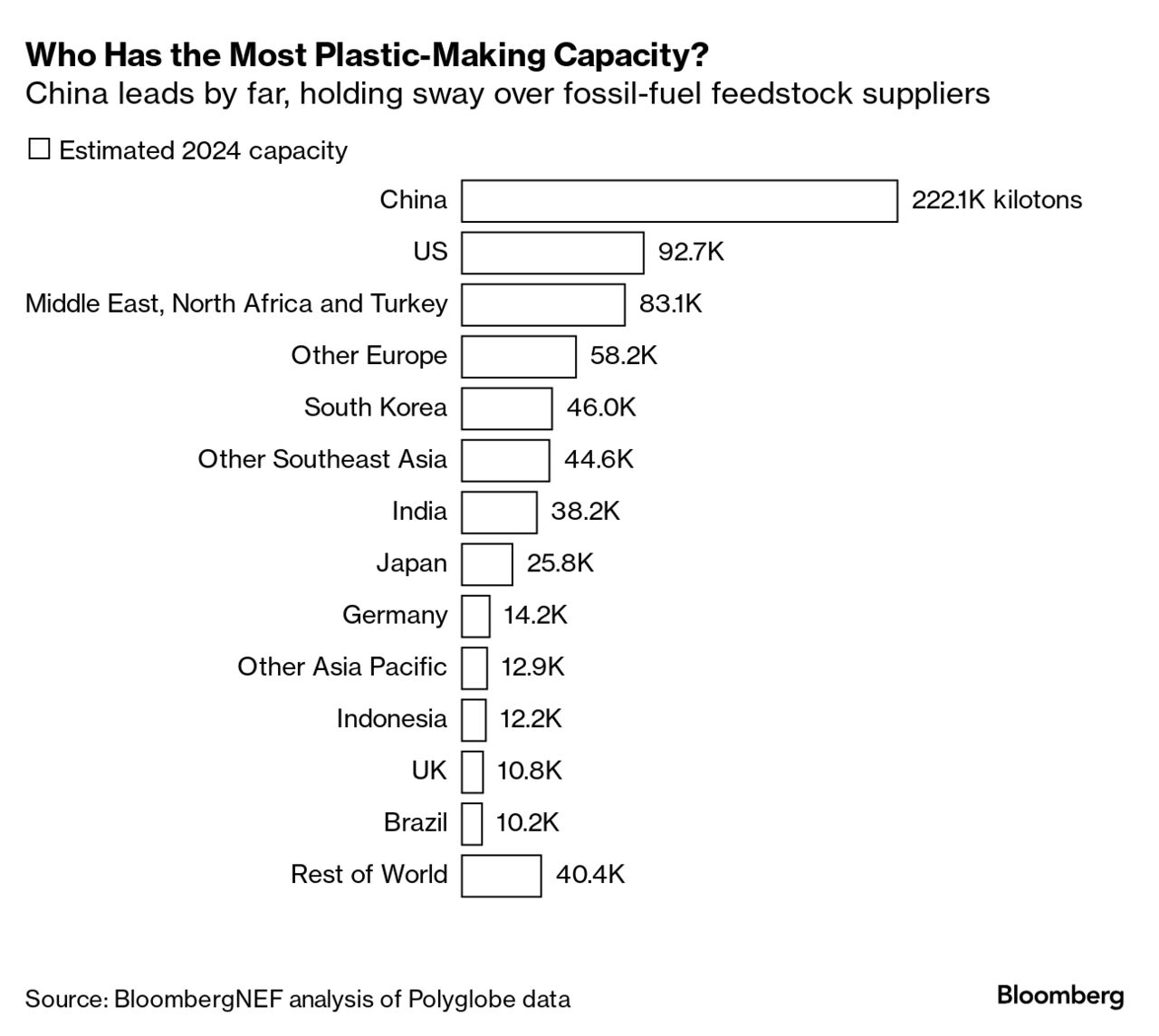
Nations failed to agree on a treaty to curb plastic pollution after two years of divisive negotiations, as oil suppliers including Saudi Arabia and Russia blocked attempts to limit production.

Almost 200 countries joined a week-long United Nations-backed summit in Busan, South Korea, which concluded in the early hours of Monday without delivering a legally binding deal to address the material's future.

Negotiators aim to reconvene the talks — which began in 2022 — next year and said there is rising support among the majority of countries on the need to limit the production and consumption of plastics, to restrict harmful chemicals and phase out single-use products like cutlery.

Read More: The Climate Impact of Our Insatiable Plastic Addiction

"We didn't achieve what we came for — a binding treaty that addresses the full life cycle of plastics," Juan Carlos Monterrey Gomez, Panama's special representative for climate change, said during the talks. "Yet, amidst disappointment, there are small glimmers of progress."

The outcome is the latest setback in efforts to gain consensus on global action to tackle climate and sustainability challenges. A compromise deal at the annual COP29 summit last month was criticized by some as having made insufficient progress in boosting funding available to developing economies, while a UN biodiversity conference early in November ended without agreeing on the creation of a new global nature fund.

Progress in Busan was blocked by a small number of mostly oil-producing nations including Saudi Arabia and Russia that rejected new restrictions, arguing that curbs on output and chemicals fell outside of mandate of the negotiations.

Opponents insisted the emphasis should be on improving trash collection and recycling capacity. Globally, less than 10% of plastic waste is currently recycled, according to the UN.

"There should be no problem with producing plastics," Saudi Arabia delegate Abdulrahman Al Gwaiz said during the meeting's final plenary session. "The problem is the pollution, not the plastics themselves."

Russia's delegation argued that attempts to impose limits on plastic producers were motivated by economic reasons.

Advocates of tougher action also faced opposition from fossil fuel and chemical industry companies, which sent more than 200 lobbyists to the talks, outnumbering even the 140 representatives from host South Korea, according the Center for International Environmental Law.

Read More: Exxon Pledges $200 Million to Expand Advanced Recycling in Texas

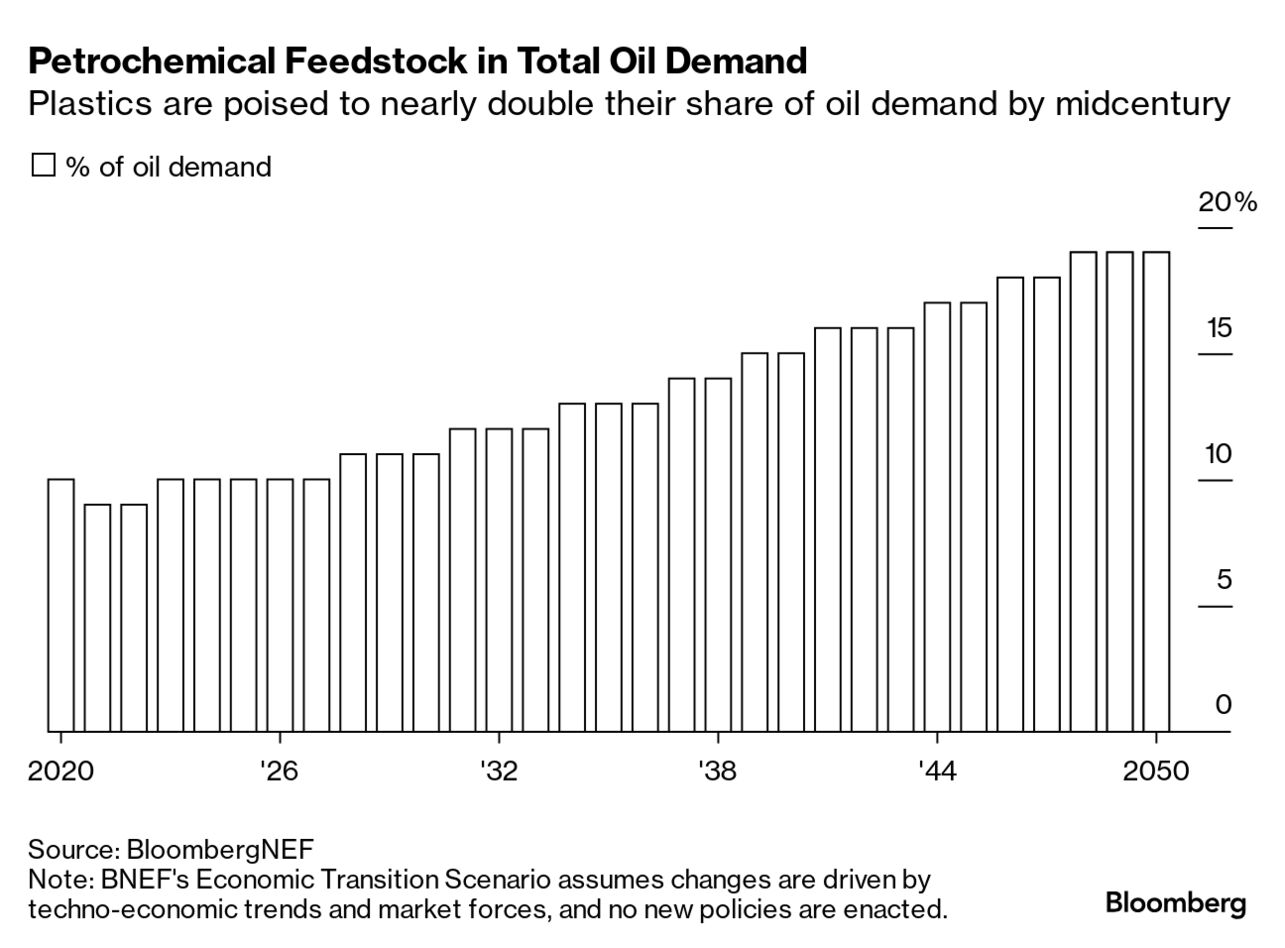
Plastic represents a crucial growth area for some fossil fuel companies looking to offset weaker long-term demand as renewables and electric vehicles erode consumption of fuels. Petrochemicals' share of total oil demand could nearly double by 2050, according to BloombergNEF.

About 275 businesses that use plastics, including L'Oreal SAStarbucks Corp. and 3M Co., offered support for efforts to ultimately end the use of some products and chemicals.

Communities directly impacted by plastic pollution also called for urgent action to mitigate impacts on public health. Microplastics have been found in human placentas, breast milk, brain tissue and blood.

"The overwhelming majority of countries recognize the severity of the plastic pollution crisis and agree on the need for urgent action," said Juliet Kabera, director general for the Rwanda Environment Authority and a key negotiator in Busan.

Are you attempting to go plastic-free with your gift-giving this holiday season? Tell the Green Daily editor Siobhan Wagner your story: swagner33@bloomberg.net.

More plastics on the way

736 million tons
This is the forecast for annual production and use of plastics in 2040 -- a 70% jump from 2020 levels, according to the Organization for Economic Co-operation and Development.

A big mess to clean up

"Unless we address chemicals [and] the most littering items, then it's really no use just looking at the waste management side. [That would be like] mopping the floor while the tap is open."
Anne Beathe Tvinnereim
Head of Norway's delegation to Busan and the country's minister for international development

What else you need to know about Big Plastic

Read Bloomberg Green's investigations into the global plastic pollution crisis on Bloomberg.com.

Plastic has an invisible toll, too. The consequences of the world's addiction to plastics aren't just showing up on city streets and oceans, they're also clogging the atmosphere. Read more about plastic's full climate impact

Recycling is not an easy solution. Bloomberg Green profiles one company that promises to make use of plastic garbage that almost no one else wants to touch. Also, one plastic bag's 2,000-mile journey around the world shows recycling can be a messy business.

Nobody wants your plastic waste. Thailand, one of the major destinations for the world's plastic waste, has been getting fed up with the noxious fumes caused by recycling it. Meanwhile, West Africa has been drowning in plastic. Read more to find out who is responsible. 

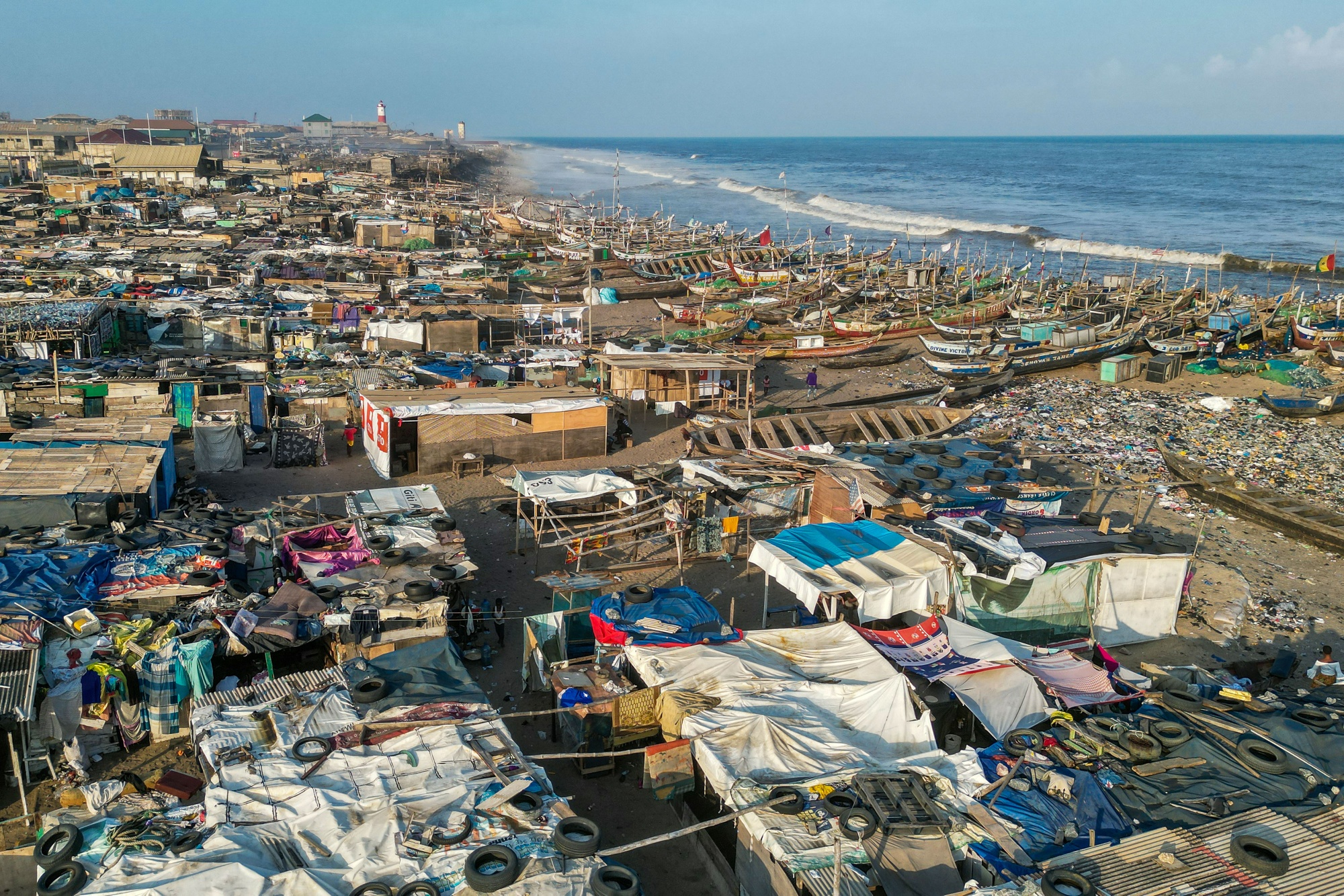
Plastic waste and garbage lies in front of informal housing and buildings on the shoreline of Jamestown beach in Accra, Ghana, in July 2022. Photographer: Nipah Dennis/Bloomberg

More from Green

Australia's main grid is seeking powers to curb the amount of electricity supplied by the nation's ubiquitous rooftop solar panels.

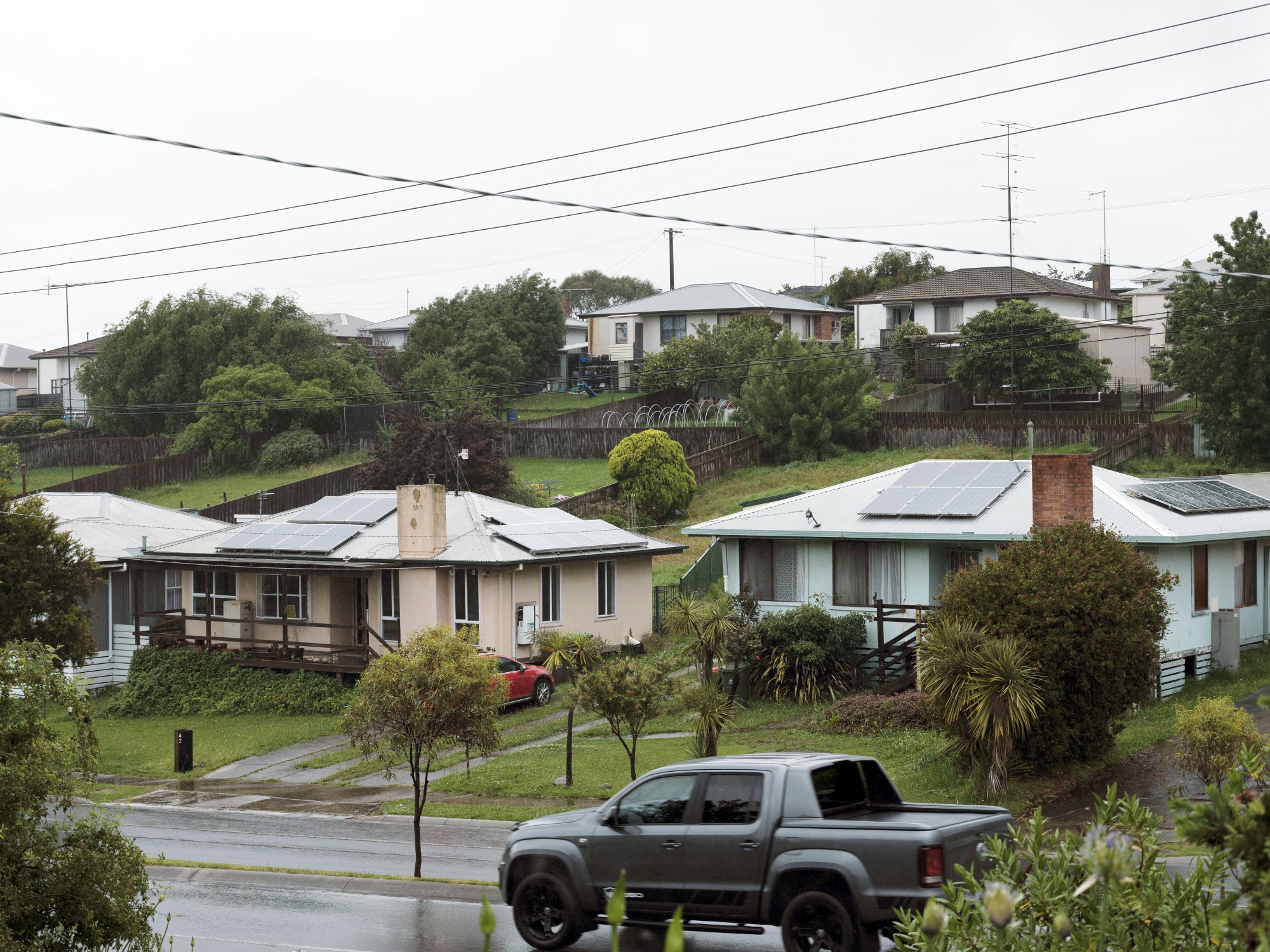
The Australian Energy Market Operator wants nationwide backstop mechanisms to manage the daily flood of output from the systems, it said Monday. With panels on a world-leading one-in-three households, the nation is undergoing one of the most rapid shifts away from a coal to a renewables-dominated grid.

"Increasingly, rooftop solar is the single largest source of electricity supply during certain hours of the day — and on some sunny days, electricity supply from these systems can exceed total demand in certain parts of the grid," said BloombergNEF analyst Sahaj Sood. "For short periods this isn't a huge problem, but for long periods of time, or when the grid is really oversupplied, it can become unstable or even damage connected infrastructure."

Solar panels on the roofs of homes in Morwell, Australia. Photographer: James Bugg/Bloomberg

Worth a listen

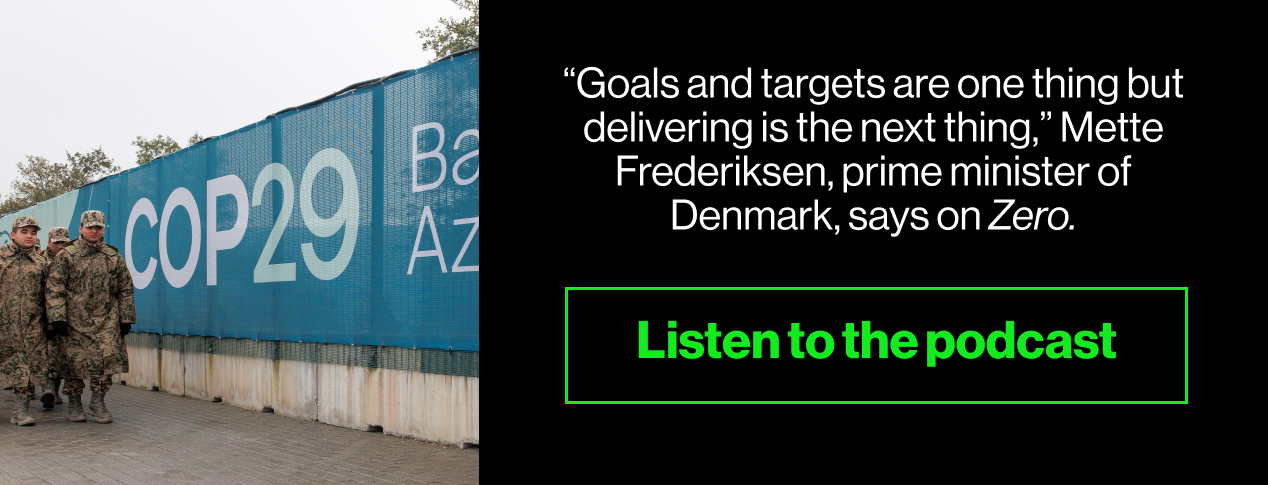
It went well past the official deadline, late into the night – but finally, COP29 ended with a deal. Hardly anyone felt victorious. Back from Baku, reporter Akshat Rathi tells producer Mythili Rao why the agreed on New Climate Quantified Goal of $300 billion made both developed and developing countries unhappy, and he shares what heads of state and ministers from Denmark to Mauritania and Indonesia to Israel had to tell Zero about this year's conference. Listen now, and subscribe on Apple,  Spotify, or YouTube to get new episodes of Zero every Thursday.

More from Bloomberg

  • Hyperdrive for expert insight into the future of cars
  • Energy Daily for a daily guide to the energy and commodities markets that power the global economy
  • CityLab Daily for top urban stories and ideas, curated for your inbox by CityLab editors
  • Tech Daily for what to know in tech

Explore all Bloomberg newsletters at Bloomberg.com.

No comments:

Post a Comment

Why Brandon isn't chasing this gold rally

February 01, 2026   |   Read Online I wanted to make sure you saw this. Brandon Chapman is hosting a live training tomorrow at 2PM ET, a...