| The decision has been weighing on MPs for weeks: filling their inboxes and postbags, dominating conversations in the tearooms of Westminster, and stopping them in the streets of their constituencies. But today they had to make what many say has been one of the most difficult decisions of their political careers — how to vote in a landmark bill on assisted dying. By 330 to 275, they voted in favor. The bill will now proceed to the next stage of parliamentary scrutiny. No one cheered as the result of this somber choice was announced. It's a huge moment, and it's hard to emphasize enough how palpably this has weighed on MPs in recent weeks. The five-hour debate in the House of Commons today captured some of the thoughtful, intense deliberations that have been taking place — and there will be much more of that before this becomes law. A reminder of some of the details: the bill would allow terminally ill people with less than six months to live to opt to end their own lives in England and Wales. Two doctors and a high court judge would be required to approve the decision, and it broadly follows the Oregon model, meaning the lethal drugs must be self-administered. (We have a full report on today's vote, with more detail and many of the personal stories from MPs and protestors shared today. 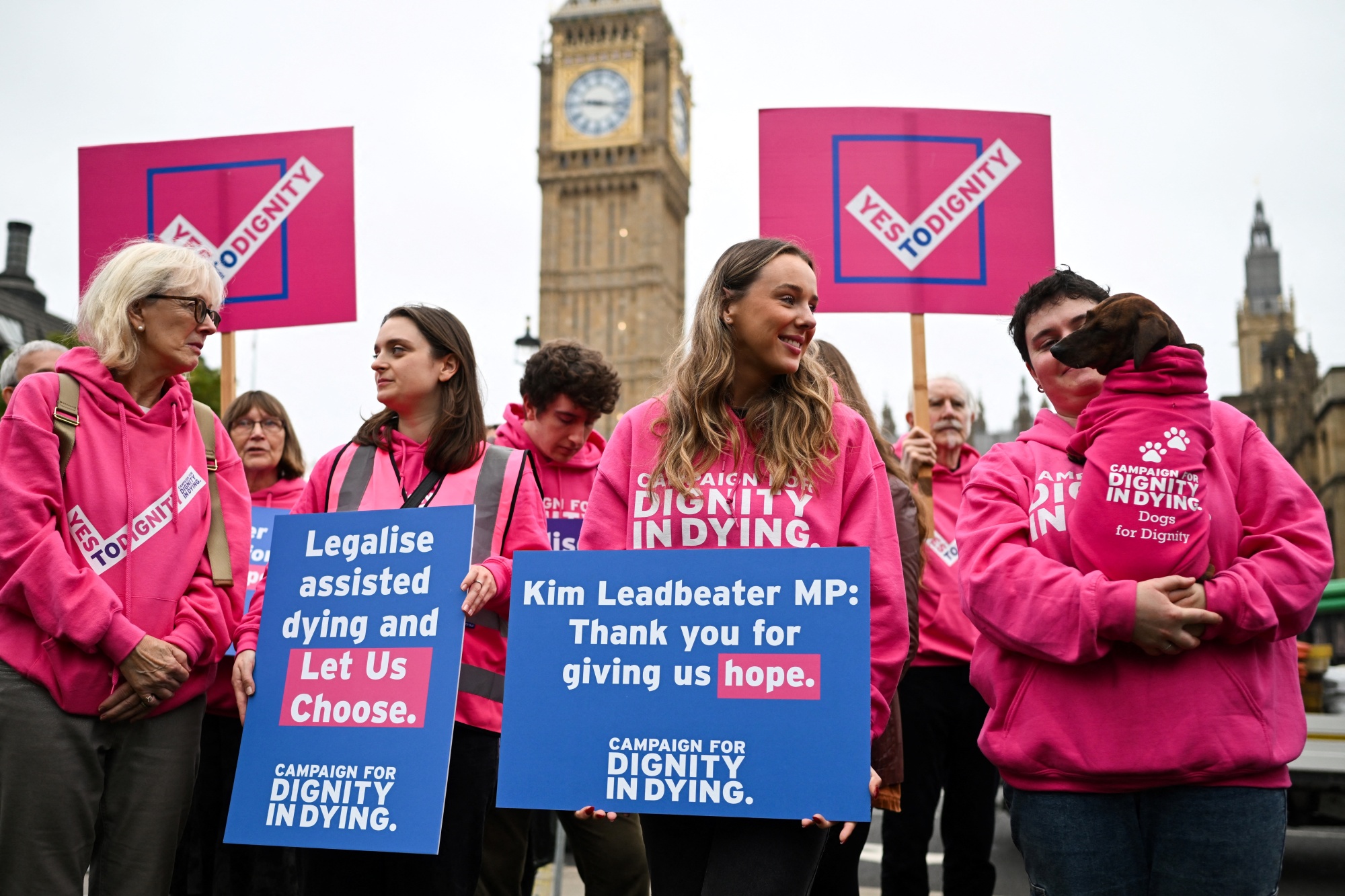 Campaigners from "Dignity in Dying" outside parliament today Photographer: JUSTIN TALLIS/AFP We heard some horrific stories of long, painful, and often lonely deaths from supporters of today's bill — but also impassioned arguments against what others see as the crossing of a fundamental line. Others were not opposed to the principle of assisted dying, but worry that as it stands the bill doesn't include enough protections against coercion.
That will be a key question in the months of further debate and votes which will now follow before it becomes law. Plenty of MPs I've spoken to tell me they voted in favor to allow the issue more time and scrutiny, but remain unsure whether they will approve it at its final reading. Keir Starmer, as expected, voted in favor of the bill. If it clears all of its hurdles, the legal change on assisted dying will go down as one of the significant legacies of his government, much like the abortion and homosexuality reforms under Harold Wilson's government — which, similarly, were brought in by private members' bills.
But as you'll know if you read our long feature on the Labour splits ahead of the vote, the road to today hasn't been as smooth as Starmer might privately have been hoping, and he's even at odds with some Number 10 aides on the matter — not over the ideology, but the practical implications for the rest of his agenda. After a rocky few months, aides around the prime minister are desperately trying to take back control of the political narrative and focus minds on the things they believe matter most to their voters: living standards, and immigration. They will, of course, implement assisted dying if it passes. But one Number 10 figure asks: "Does anyone want all that time and resource spent on something we did not promise to do?" Their answer: "Probably not." The journey for this bill is far from over, and even an issue as sensitive as this one isn't free from political calculations. Want this in your inbox each weekday? You can sign up here. | 









No comments:
Post a Comment