| Almost three years since the pandemic shuttered movie theaters around the world, Hollywood is still worried the film business may never be the same. You can see it on Twitter, where producer Jason Blum posted this Saturday night: "Gotta get out to those movie theaters folks. We don't want to be streamed to death!"
You can see it in the board rooms, where agents and lawyers are pushing media executives to prioritize theaters. Apple had to commit to a theatrical release to win a couple big movie projects. You can see it in the press, where Netflix is under pressure to put Glass Onion back in theaters. It's easy to understand why Hollywood loves movie theaters. A big hit in theaters, like Top Gun: Maverick, makes more money for everyone involved than a movie released online. Tom Cruise will make more than $100 million from that movie, according to people familiar with his deal. That is more than any star has ever made for a streaming movie. There is also a belief among most major talent representatives that theatrical movies benefit their stars more than streaming movies. Studios spend more money to market movies in theaters and people spend more money and time to go see them. That translates into some immeasurable benefit to an actor's brand. "The right theatrical movie can fortify a star's career in a way a movie on a streaming service probably can't," Jeremy Zimmer, the head of United Talent Agency, told me this week. I have heard Endeavor's Patrick Whitesell (Matt Damon) and CAA's Bryan Lourd (Brad Pitt) make a similar argument. You can see a version of this thinking in the New York Times, where ace critic Wesley Morris laments we have run out of movie stars. Most industry insiders believe that movies released in theaters are, by and large, better than movies released online. The stakes are higher because the studio can actually measure whether the project makes money. That forces everyone to pay more attention to how they spend the money, which in turns produces better movies. This is impossible to measure or prove, but it's something people say. There is one very big problem for movie theater advocates: it's not clear most people care. Ticket sales are down more than 30% compared to 2019. Avatar: The Way of Water could be the biggest movie of all time and sales would still be way down from the pre-pandemic norms. Critics like to blame Hollywood myopia. They say the audience isn't going because studios stopped making good dramas and comedies. They fell in love with the comic book and the sequel. It's possible that this is a temporary problem. Theater chains have projected a return to pre-pandemic sales by the middle of this decade as people become less scared of getting sick and have more to watch. Amazon committed to releasing a dozen movies a year in theaters after buying MGM. Warner Bros. and Paramount are putting most of their energy into movies for theaters. But it's more likely that studios stopped making these movies because audiences stopped showing up. Interest in going to theaters to see certain genres has evaporated over the last few years. First it was drama, then it was comedy. Animation is the latest worrisome trend. The five biggest animated movies released this year grossed an average of about $400 million, less than half of what they did in 2019. No animated movie hit $1 billion. We can say it's because the movies aren't good. Disney and Pixar made a great animated movie with Turning Red and it released it online-only. Its two animated movies in theaters, Lightyear and Strange World, were bad bombs. But there are plenty of movies with good reviews like Bros, a comedy, She Said, a drama, and Devotion, a war movie, that have all failed in wide release this year. People can now find good drama on TV and comedy on YouTube. Staying home is easier and cheaper unless you want to go out or feel compelled to see a project in a theater. Four movie tickets, parking and snacks is still cheaper than a concert or an amusement park. But you can't replicate an amusement park or a concert at home. We can blame Netflix. We can blame the corporatization of cinema. We can blame ourselves. But one thing we can't do is go back in time. People show up for big events a couple times a year, like Top Gun: Maverick, and small events, like Everything Everywhere All At Once. But we now go weeks – and sometimes months – without a movie that captivates the public at scale. Black Panther: Wakanda Forever has been the top movie in the country every week since its release and may hold that spot until Avatar in two weeks. This doesn't mean the movie business is dead or even dying. It just requires movie studios to find a model that makes streaming services and online sales a bigger part of the equation for certain kinds of movies. We're in the middle of this transition already. Disney has committed to a strategy of tentpole or bust at the box office. After watching a bunch of Fox's movies tank, it isn't going to put movies from Searchlight into 3,000 screens for three months. It might put it on 1,000 screens for a few weeks and then shift them to Hulu. Or, it might just release them on Hulu. Netflix, which started off buying the projects no one else would make, is getting more selective about making arthouse projects. Don't expect the company to give an award-winning director $100 million to make whatever they want. Apple has filled that role, at least for now. Universal takes more swings (and more risks) than any traditional studio. It dropped Bros, She Said, The Fablemans and Halloween Kills in the last few months. Most of those didn't work. For us to see more of them in the future, the answer might be a smaller release in theaters. It has structured deals with Amazon, Netflix and Peacock to ensure it can make money even if the box office is smaller. Everyone who loves movies wants to see theaters survive. But its biggest champions need to remember that most people are just fine watching movies at home. — Lucas Shaw We've come to the end of another bleak week in the media business. AMC Networks, the owner of several cable networks, is cutting 20% of its US staff. NPR, the biggest public radio company in the US, said it needs to cut 10% of its budget. SiriusXM, the largest satellite radio company in the US, said it will fire staff. Add in CNN and Paramount, and at least five major media companies announced or implemented budget cuts in one week. The depth and breadth of these cuts is pretty jarring. Some of these companies make money from video, others from audio. Some rely on subscriptions and others on advertising. There is no consistent theme. While a lot of the cuts can be blamed on fear of a recession, AMC Networks took a far more pessimistic view of the future. This is what its owner, James Dolan, wrote in a memo to staff. "It was our belief that cord-cutting losses would be offset by gains in streaming. This has not been the case. We are primarily a content company and the mechanisms for the monetization of content are in disarray."
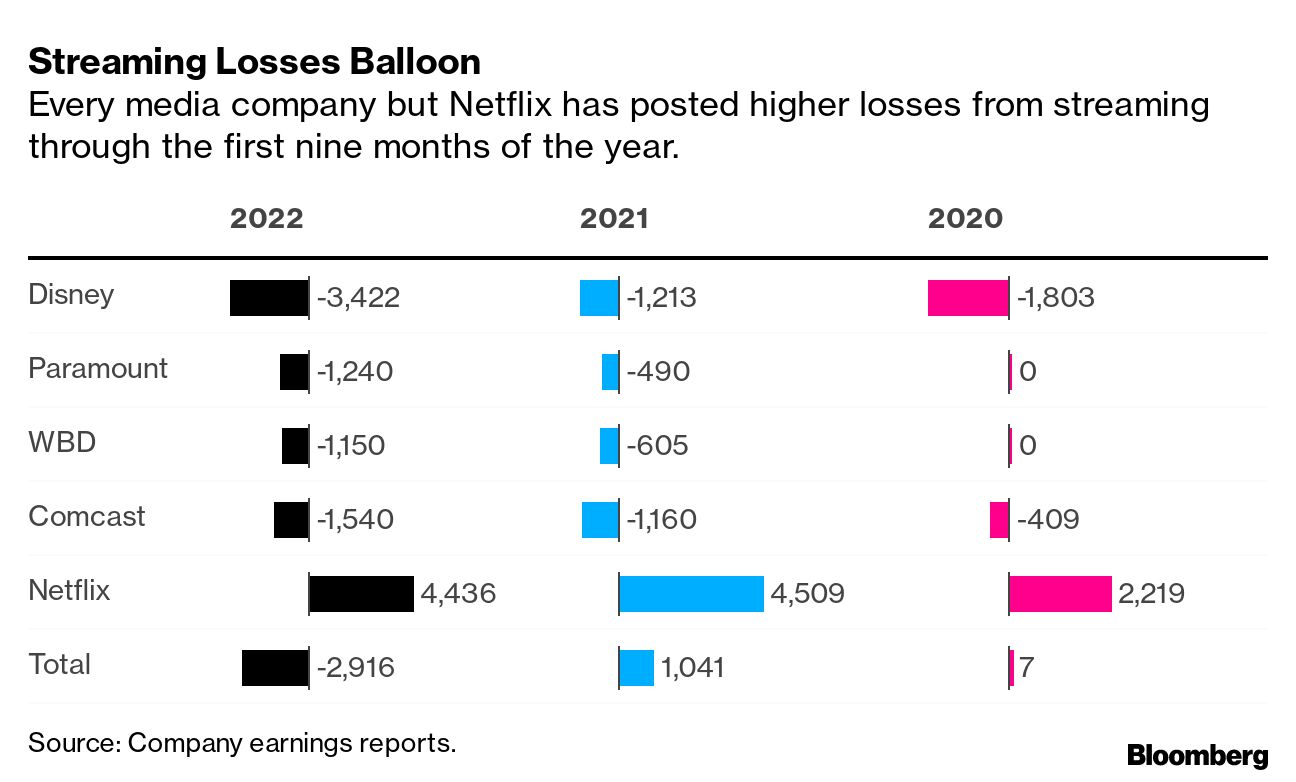
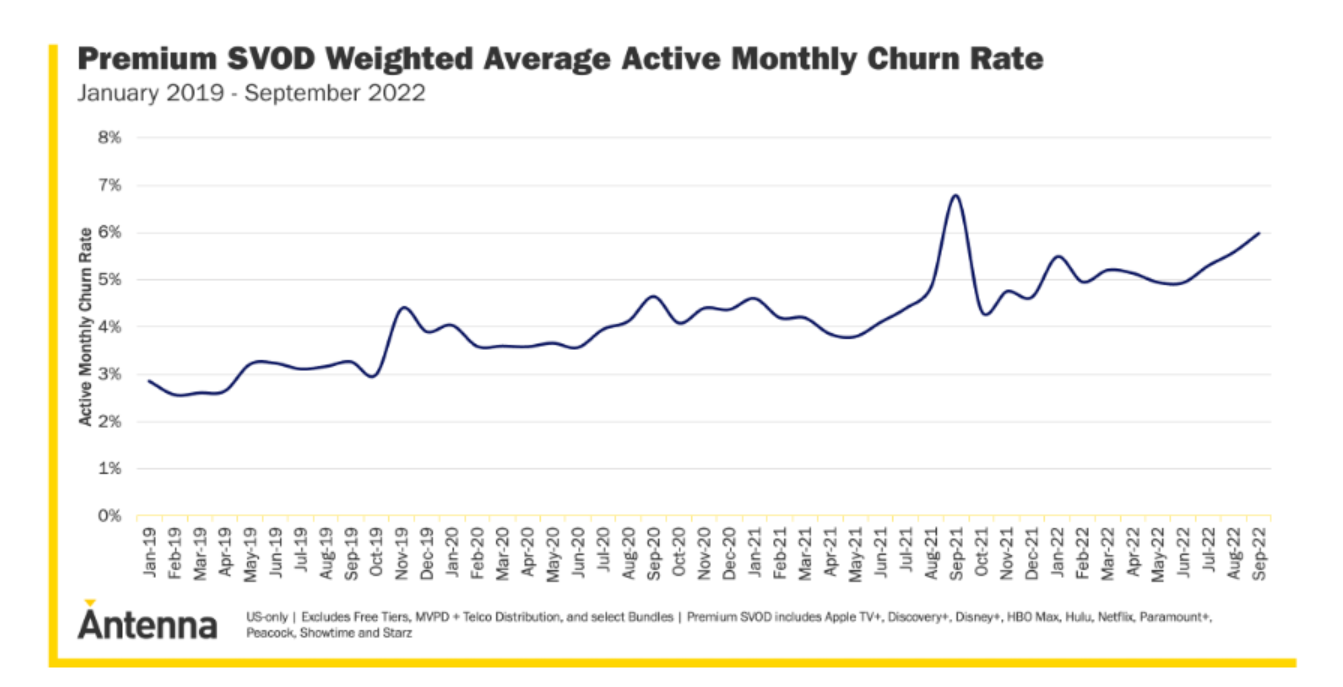
First off, AMC's strategy to combat cord-cutting has been to invest in niche streaming services. If Dolan thought Shudder and Acorn were going to make as much money as cable networks that reached almost 100 million people, he is either lying or kidding himself. But that's not the most troubling part. Dolan is conceding he doesn't know how to grow his business. Just a few years ago, this company had the biggest show on cable (The Walking Dead) and a bunch of award-winning dramas. Now, its owner says the business is broken. That is not good! While other executives have not been quite as dour, Dolan's concern underscores the uncertainty and anxiety rippling through the corners of many media companies right now. So, I thought it might be worth asking: are the fundamentals as bad as the narrative? We've covered the decline of pay-TV, the rising cost of sports rights and the slowdown in streaming. But that is only part of the picture. Let's start with the bad news. Streaming losses are at all time highDisney, Warner Bros. Discovery, Comcast and Paramount lost a combined $3 billion on their streaming services last quarter. That doesn't include losses from Apple or Amazon, which don't report streaming financials. Let's say, for argument's sake, that Apple and Amazon lose about as much money combined as Netflix makes. (Netflix's profit last quarter was about $1.4 billion). That means the major streaming services lost about $3 billion in one quarter and will lose between $10 billion and $15 billion this year. This is how losses stack up over time. This should be a temporary problem. Netflix, the oldest and largest of the key players, is going to make more than $5 billion in profit this year. But in the short term, there is more pain because... Streaming cancellations soarThe number and rate of people cancelling their streaming subscriptions hit a new high in September, according to research firm Antenna. Close to six percent of all customers canceled their service. That is almost double the rate from 2019. The services with the worst churn rates are Apple TV+, Peacock, Starz, Showtime and Paramount+. But churn for most of those is stable or going down. Netflix, Hulu and Paramount+ have seen the sharpest increases in churn this year. There is a simple explanation: competition. The No. 1 TV show in the world is…Whatever is on Netflix. The streaming service accounted for all 10 of the most-watched programs in the US last week. This shouldn't come as a shock. It accounts for an average of about 75% of the most-watched streaming programs every week. But it is a reminder of the challenges facing all of these other media giants. They are spending billions of dollars on shows for streaming services and get, at most, one or two shows in the top 10 every week. They have, in aggregate, only a few top 10 shows a year. Netflix releases a new top 10 show pretty much every week. If you are losing money and struggling to compete with a larger competitor, what do you do? You cut costs, make your business look better to Wall Street and merge/sell! It's only a matter of time. Now, for some good news. The advertising market isn't as bad as it seemsIf you look at all the layoffs — not just in TV but in social media — you would think the media business is in freefall. It's not. Yes, advertisers are being more cautious because they are worried about a recession. But they still have money to spend (and they are still spending it). Full-year advertising spending is going to grow by 7%, according to Magna Global, and that's even with a deceleration in the second half of the year. Advertising sales are down right now out of an abundance of caution. It's too soon to know if this turns into a full-fledged panic. Ad sales in publishing and TV fell, but digital advertising is still growing. And if you are looking for bright spots, look abroad. Magna projects that ad sales in India will grow 14% next year and by 7% in South Korea. With new advertising-supported streaming services from Disney and Netflix, the online video ad market is only going to get stronger. And while Facebook and Google aren't going to grow 30% a year anymore, they aren't exactly going away. Streaming services are adequately pricedOne final data point from our friends at Parrot Analytics. The company that measure online demand for different shows attempted to analyze which streaming services are overpriced and underpriced. Here is what they found: Almost every streaming service is priced at the right level, relative to peers, considering interest in its shows. Two key findings: While Disney+ is raising prices by about 30%, most of its customers will absorb the higher price. And Showtime is the service that is lagging the most. Deals, deals, dealsMy top five artists this year, according to Spotify: Kendrick Lamar, Amber Mark, Beyonce, Harry Styles and Wet Leg. What about you? | 










No comments:
Post a Comment