| The headline offers a clue... Biden, Walensky and Fauci all experienced a rebound after taking a five-day course of Paxlovid for Covid-19. Their cases and scores of similar anecdotes were widely reported, fueling suspicions that Pfizer Inc.'s antiviral medication caused recurrences or prolonged infections more often in real life than in clinical studies. (A rebound of coronavirus occurred in 2.3% of patients on Paxlovid versus 1.7% receiving placebo in a late-stage trial, Pfizer scientists said in September.) Concern about protracted illness is undermining use of the treatment that appears to have multiple benefits. Before I explain, my 18-year-old daughter will tell you (from the isolated confines of her bedroom) that a drawn-out bout of Covid is a huge annoyance. She didn't take Paxlovid, but a rapid antigen test was still coming back positive 11 days after she fell ill -- something seen in a small fraction of vaccinated college students. It's difficult to know why, but newer omicron variants and fluctuating levels of infection- and vaccine-induced immunity have led to different disease patterns across epidemic waves. The extent to which Paxlovid has added to the mix hasn't been clear. So Jay Pandit at Scripps Research Translational Institute and former Harvard epidemiologist Michael Mina conducted an independent trial over four months to study rates of rebound. 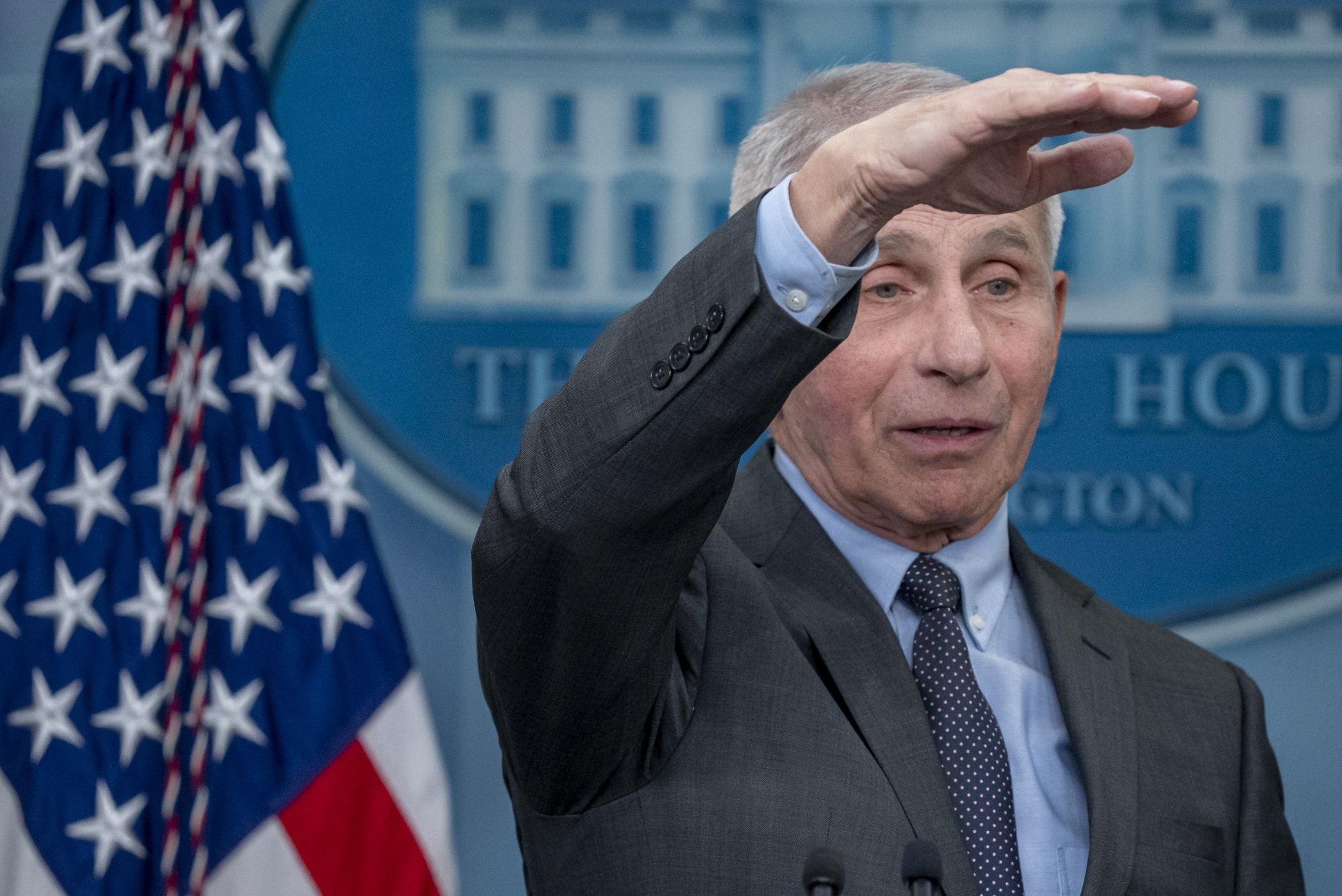 Anthony Fauci, director of the National Institute of Allergy and Infectious Diseases, at the White House on Nov. 22, 2022. Photographer: Ken Cedeno/UPI Participants tested themselves every other day and recorded their symptoms over 16 days. The protocol was completed by 170 people, comprising 127 who took Paxlovid and 43 who didn't. Almost all of participants had received at least one dose of vaccine. Viral rebound, as indicated by a positive test after recovering from an earlier infection, occurred in 14.2% of patients taking Paxlovid and 9.3% of controls. Symptoms returned in 18.9% of those on treatment, compared with just 7% of those who weren't taking the drug. The rates were higher than what was seen in clinical trial data, but considerably lower than what the researchers anticipated. "We expected the rate of Paxlovid rebound (excess compared with controls) might be 30% or higher," Eric Topol, Scripps' founder, wrote in a blog post. Although more studies are needed to replicate and extend the findings, as well as figure out why rebound occurs, the research highlights the pitfalls of relying on anecdotal data disseminated on social media, Topol says. "The only way to know is to conduct a prospective, systematic clinical trial, with controls, which our group did, to shed light on the frequency of this Paxlovid problem," he says. "I hope the new Scripps Research study will help alleviate some concerns about excessive rebound and get the right balance for decisions for treating with Paxlovid." More information is coming on other benefits of Paxlovid. A study last month showed hospitalization rates were 51% lower among patients who took it for mild-to-moderate Covid, compared to those who didn't. That supports a national TV campaign urging older Americans to ask about treatment if they catch the virus. Paxlovid is slated to be studied as a treatment for long Covid after a study found it was associated with a 26% reduction in the risk of lingering symptoms. There's also accumulating evidence that it could stem the evolution of immune-evasive variants in a minority of patients whose bodies fail to clear the virus, leaving them chronically infected. — Jason Gale | 







No comments:
Post a Comment