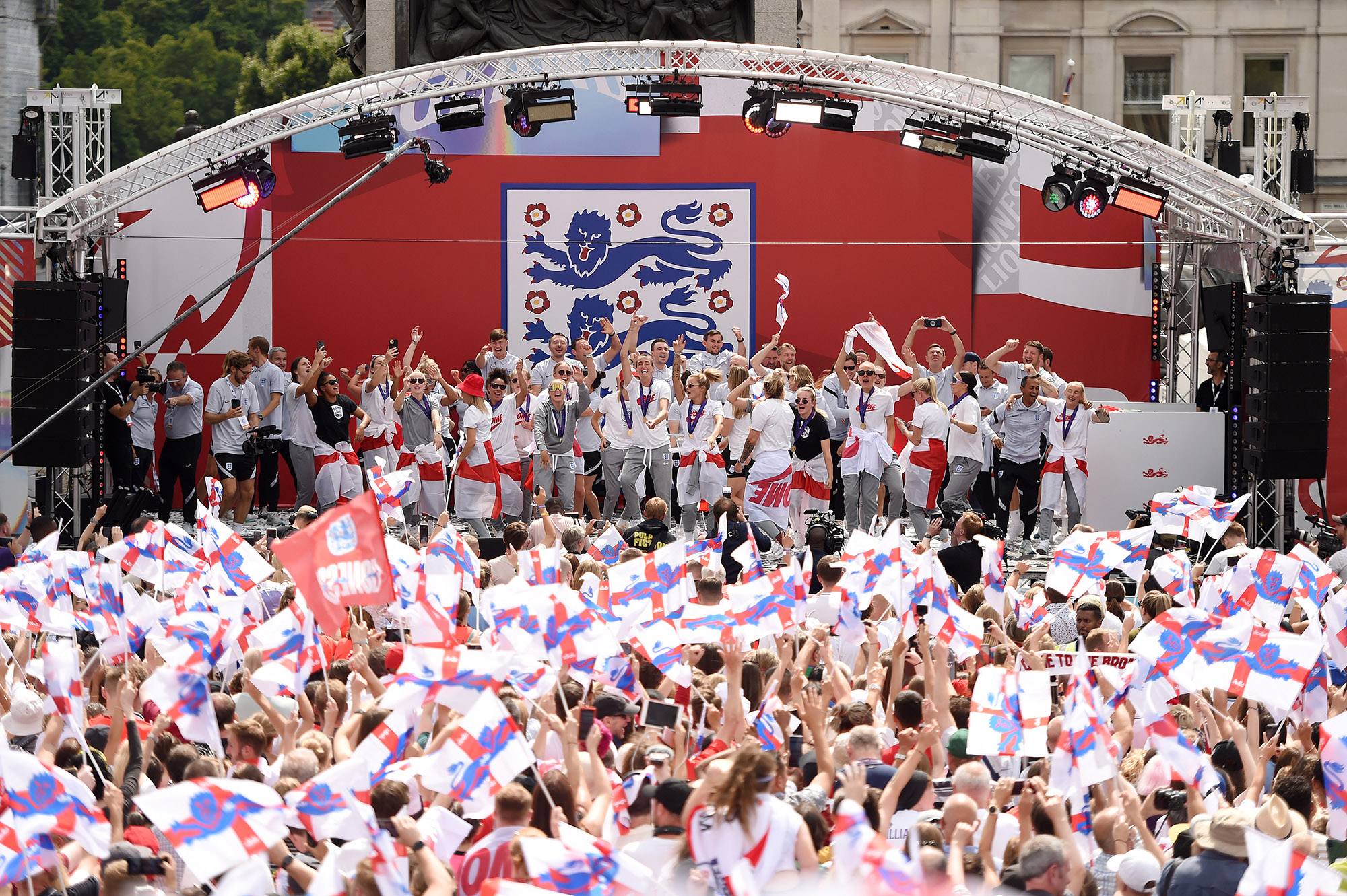
| Our series last week sounded a daily drumbeat on the difficulties facing the next prime minister. In the spirit of the moment, we start this week on a more positive note. Andrew Atkinson and Reed Landberg today take the glass-is-half-full approach to August 2022. Channeling the spirit of Chloe Kelly, here we go: Debt isn't what it used to be
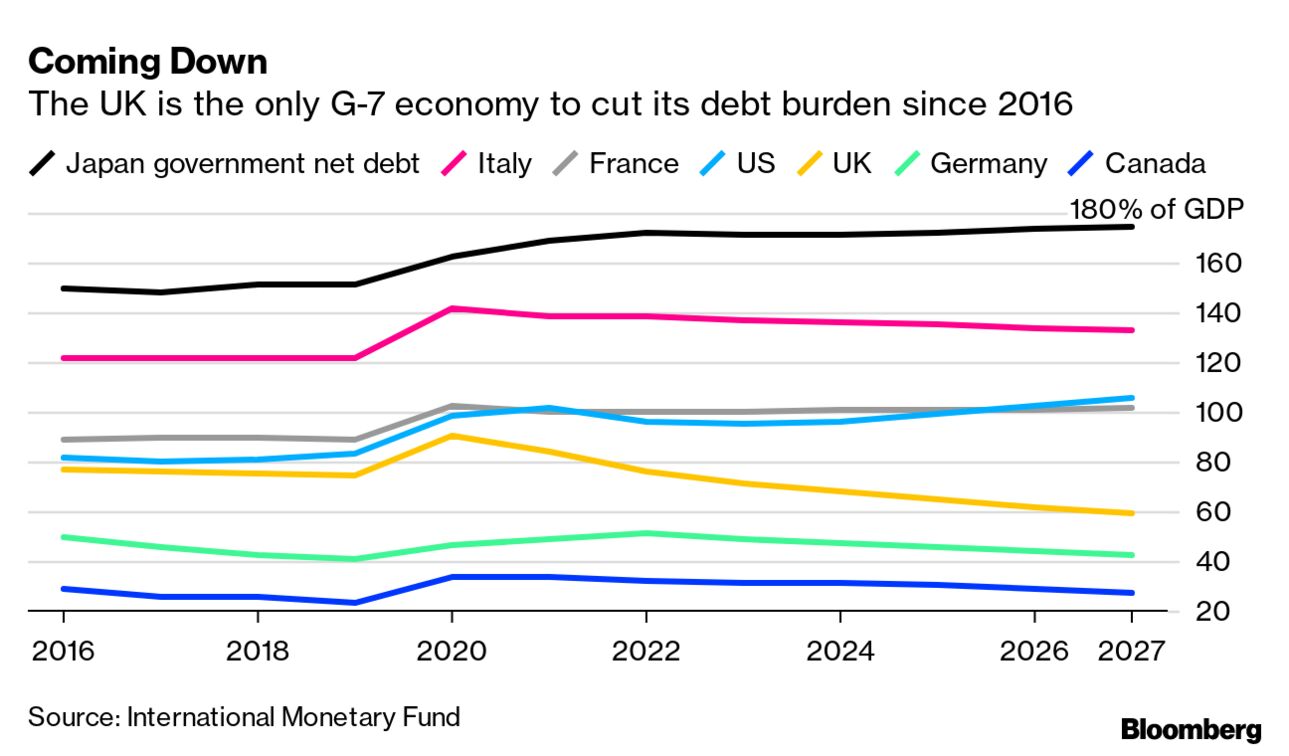
The UK has cut its debt burden since 2016 and its deficit is smaller than the US, France and Italy. This is why leadership contender Liz Truss thinks she can announce tax cuts (though "not on the scale" she would like.) UK stocks aren't as bad as the others
The FTSE 100 is up 0.6% this year, while key indexes of US and European stocks are down by 10% and the rest. Many of the biggest FTSE firms (banks, energy companies and miners) benefit from rising interest rates and higher oil, gas and commodity prices. Plus they make money in dollars — and that's been increasingly strong. This looks likely to continue — Truss wants to reduce corporation tax and says she won't repeat a windfall tax on energy companies. Pandemic piggybank
British families accumulated savings during Covid when outgoings went down - almost £200 billion at the end of 2021. While it's not evenly spread, it helps to explain why banks are still not yet reporting distress. It's a jobseeker's market
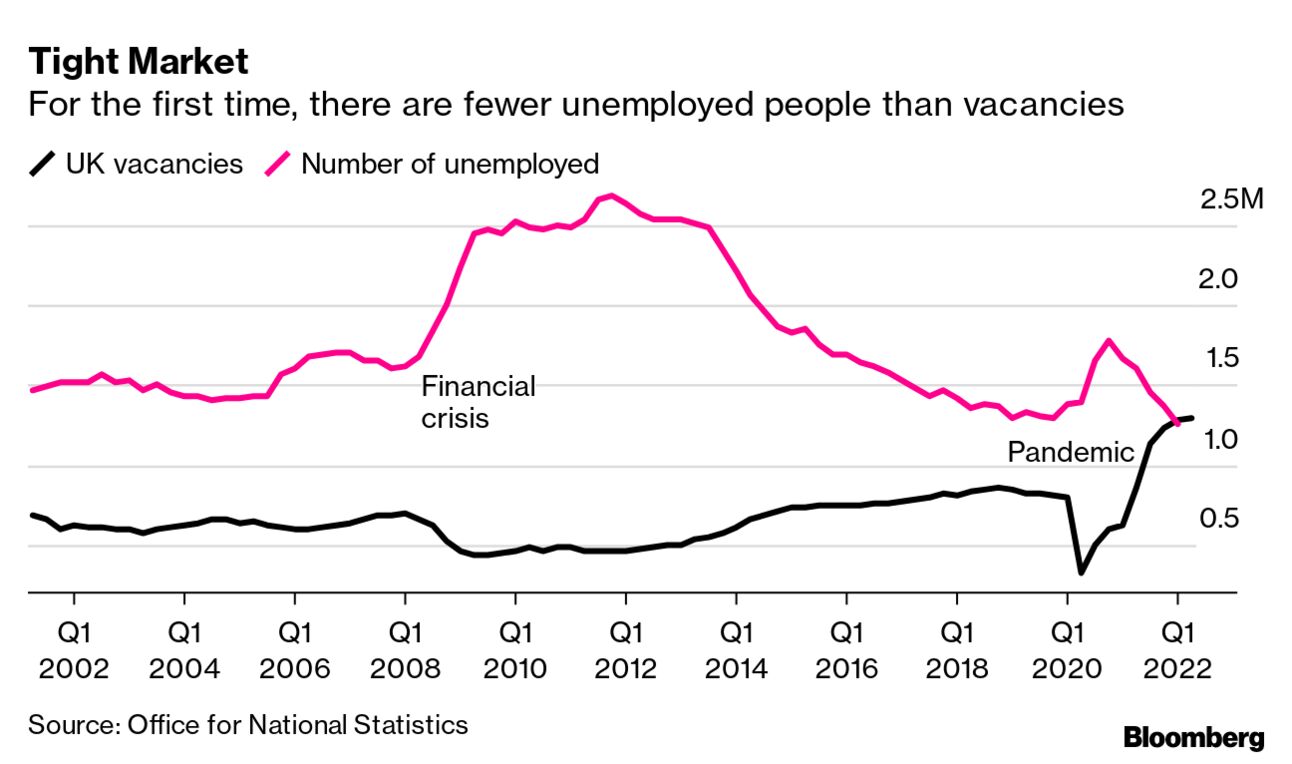
The tight jobs market means private sector wages are healthy (far more than that in some sectors); new starters can command big salaries; and prospects for graduates are better than last year. Of course, there are plenty of Reasons to be Gloomy, too. (For glumbucket vibes, try this, this, this, and this.) Clearly there is a chance that energy blackouts make this a dark autumn for the Tories. (Are Britons really ready for evenings without electricity?) By some reckonings, Prime Minister Truss might have just three weeks before she collides with economic reality. But equally, as Andrew and Reed note, there are strengths to the UK economy that must not to be overlooked. | 








No comments:
Post a Comment