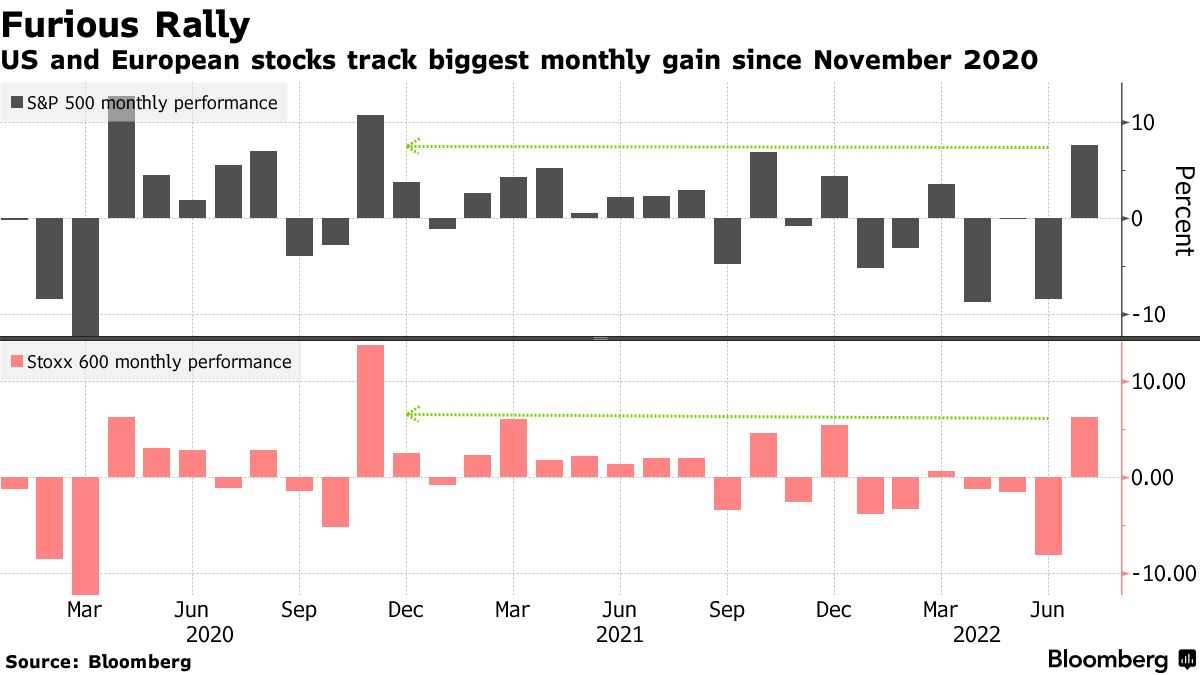
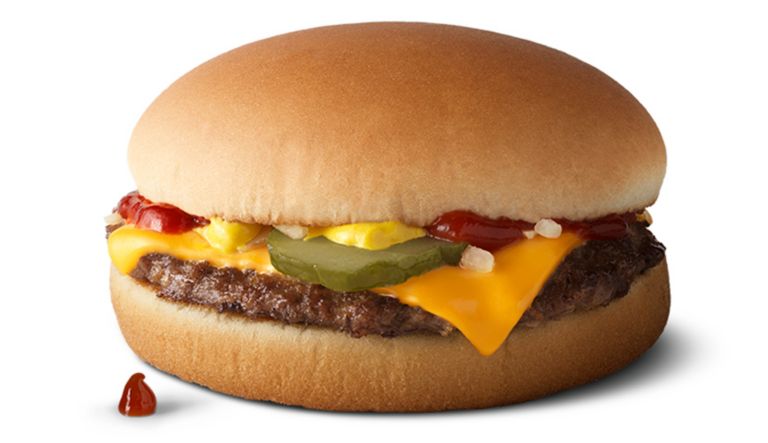
| "Never waste a good crisis," as Winston Churchill didn't quite say. For the giants of the consumer world, Rahm Emanuel's 2008 dictum might just hold true today. In what's been a frantic week of corporate earnings, firms on both sides of the Atlantic have posted eyebrow-raising results. Stealing the headlines earlier this week were McDonald's (strong sales but now pricing a cheeseburger above £1 in Britain) and Amazon (shares are shooting up today; this week it raised European Prime subscription rates by 31%.) Unilever hiked prices by 11%; Reckitt Benckiser's climbed nearly 10%. Outside of the UK, Coca Cola, Colgate-Palmolive and Nestle beat estimates. Procter & Gamble this morning missed sales estimates, but even then it noted that higher pricing is still driving growth. As our reporters note, UK inflation is already high and getting worse, with consumers currently "the ones taking most of the pain." Firms are trying to push the trolley down a difficult aisle. They have a duty to maximize shareholder value, but if they veer too far that way shoppers will look elsewhere. Some have chosen to cut back on promotions, increasing average prices. Others are reducing pack sizes but keeping prices stable — so-called "shrinkflation." Unilever says customers are already ditching big-name goods for own-brand food, ice-cream and cleaning products. In the US, Walmart bucked the trend and issued a profit warning. Here's Andrea Felsted, writing for Bloomberg Opinion: "The simple answer is, we must all still buy food, but we can easily jettison non-essentials such as clothing, cushions and even electronics." Back in the UK, companies may unwittingly be playing a role in the simmering dispute over public sector pay. After all, as prices go up so it becomes harder to pay for essentials if wages lag behind inflation. As our UK business editor Julian Harris tells me, companies have to be careful: "The unions have been blaming 'profiteering' for inflation. While that's economically questionable, these earnings stories do give it some traction." Tesco spotted the sensitivity some weeks ago, saying it wouldn't pass on to consumers what it called "unjustifiable price increases" by Kraft Heinz. (The companies subsequently reached a compromise.) It's not just energy — there are multiple front lines in this cost-of-living crisis. | 








No comments:
Post a Comment