| Welcome to Balance of Power, bringing you the latest in global politics. If you haven't yet, sign up here. For all the warm smiles and firm handshakes, Benjamin Netanyahu's White House meeting with President Donald Trump was ominous for other leaders looking to get tariffs eased. The Israeli prime minister was the first to meet with Trump since the US announced a range of levies on almost all countries last week. As strong allies, the encounter was a test of whether Trump was willing to budge and, if so, what he'd ask for in return. Israel had already said it would cancel customs duties on American products. The result? The 17% US tariff on Israeli goods, which blindsided Netanyahu's government, remains in place. 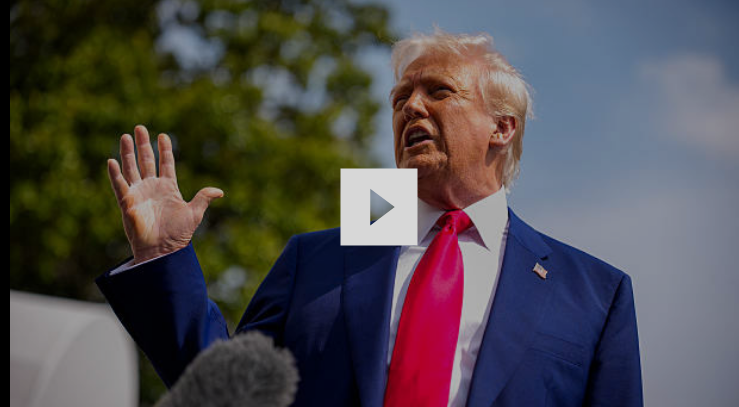 WATCH: Trump threatened to impose additional 50% import taxes on China. Netanyahu seems to have come away empty-handed yesterday, despite Israel being the US's closest partner in the Middle East, with the two coordinating closely over the war in Gaza and on Iran. He said he would work to "eliminate" Israel's trade surplus with the US — the biggest of any nation in the region, larger still if Israel's tech-software exports are included. "We intend to do it very quickly," Netanyahu said. "We think it's the right thing to do." Trump seems to regard the right thing for him is to hold fast until he gets a deal. He praised Japan's government for rushing to negotiate. The US president has shown no sign of backing down with anyone, however. He rejected a European Union proposal to drop tariffs on all bilateral trade in industrial goods, meaning his 20% tariff on EU imports is due to land tomorrow. Tensions with China are worsening: Beijing said Trump's threat to retaliate against Chinese counter-tariffs is a "mistake on top of a mistake." It all suggests that there's little prospect of the world's biggest economies reaching a deal on trade anytime soon. That's bad news for the global economy. It's also dire for the geopolitical outlook.— Paul Wallace 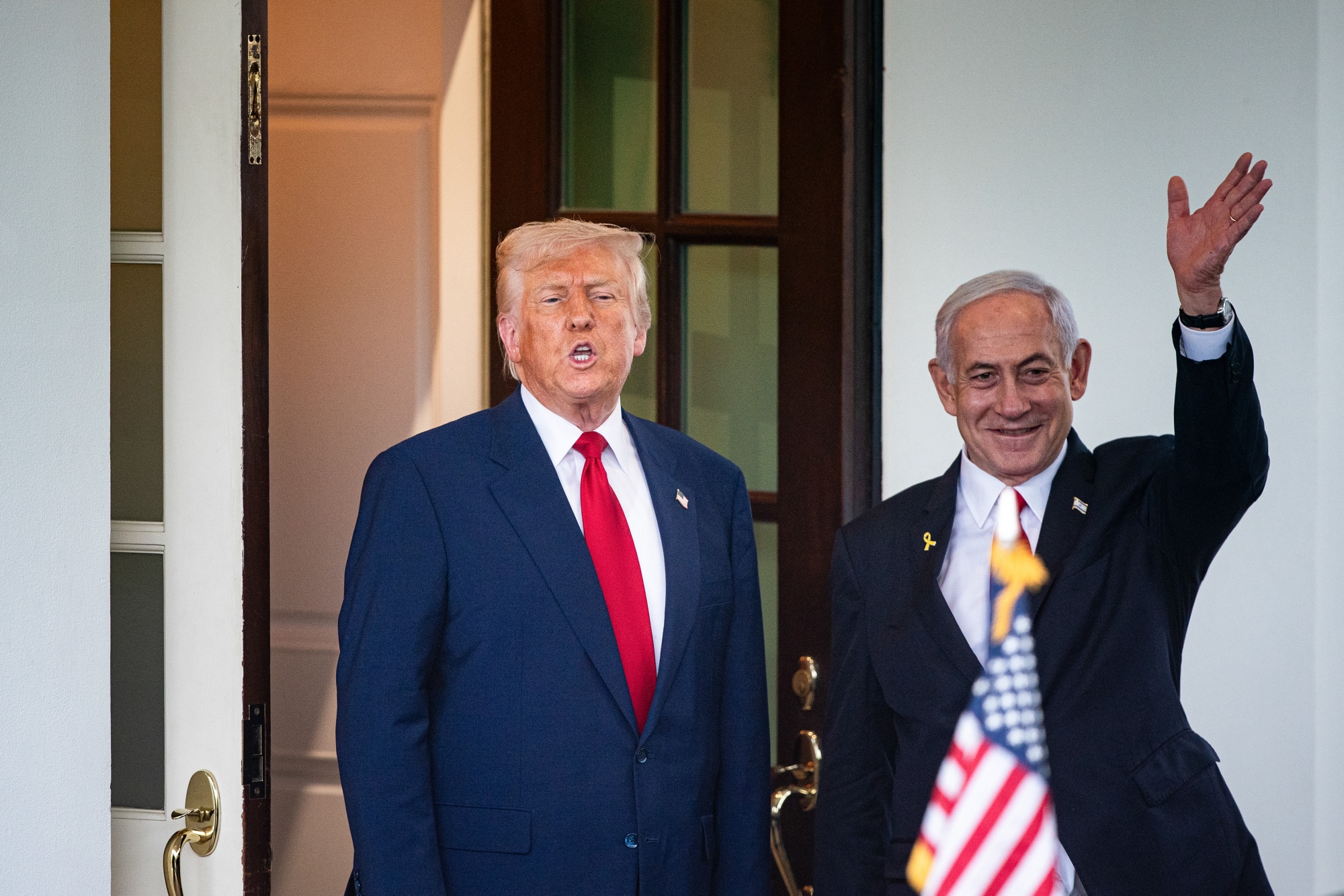 Trump and Netanyahu outside the White House yesterday. Photographer: Al Drago/Bloomberg | 









No comments:
Post a Comment